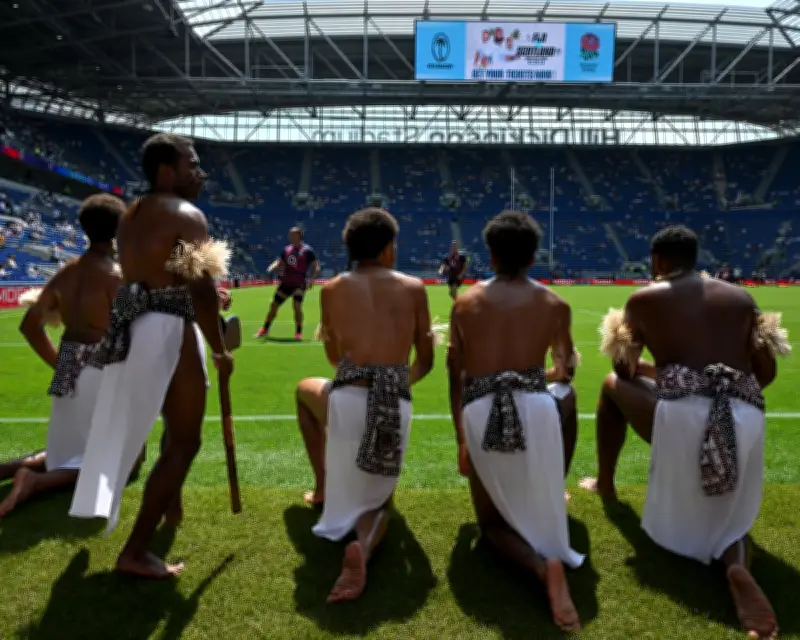
Fiji's Nations Championship 'home' match against England took place at Hill Dickinson Stadium in Merseyside, 9,998 miles from their capital Suva, as the Pacific nation was forced to relocate due to tournament regulations requiring a minimum venue capacity of 25,000. The decision, driven by commercial considerations, underscores the modern priorities of the newly formed competition.
Commercial realities override tradition
Fiji made more money from this match than they would have hosting it in Suva, but the trade-off was significant. The Fijian team, trailing 58 points at one stage, lacked the home advantage that fans believed could have secured a victory against Wales the previous week. Fiji Rugby stated that revenue from these games will fund a new 30,000-seat stadium in Fiji, but the immediate financial gains came at a cost to competitive fairness and fan experience.
England have not played a game in Fiji since 1991, and despite the Nations Championship scheduling home-and-away fixtures, they are not expected to travel there in the near future. The tournament's rules, set by the 10 teams of Six Nations and Sanzaar, mandate a 25,000-seat minimum for venues, a requirement Fiji's national stadium cannot meet.
Fan experience and cultural dislocation
Despite efforts to create a home-like atmosphere—including a fan zone with music, food stalls, and a traditional war dance performed by 40 Fijians in likuvau—the crowd of 50,000 largely supported England. The stadium announcer's attempts to rally cheers for Fiji were met with silence. One Fijian organising committee member noted, 'We're a small team, only nine people, and we've been working on this since February.'
The match drew a larger attendance than any previous Fiji home game, but the disconnect was palpable. Fiji's chief executive might have been grinning at the financial outcome, but fans were less enthused. 'We would have beaten Wales if we were at home,' one supporter said, referencing their narrow loss the previous week.
Broader implications for the tournament
Fiji were not alone in playing away from home. Japan faced Ireland in Newcastle, New South Wales, despite having a 25,000-seat venue in Tokyo. Japan's head coach Eddie Jones commented, 'Ireland have all the power at World Rugby, so we have to play our home game in Australia to make sure Ireland don't have to travel too much. We have to just suck it up.'
The tournament schedule is demanding, with England's itinerary including 41,000km of travel over three weeks—enough to circumnavigate the globe. This raises concerns about player welfare and environmental sustainability, as World Rugby's own policies are undermined by the extensive air travel required.
Fiji's match against Scotland next week will see them again as the 'home' team at Murrayfield, despite the tournament rules stipulating a neutral venue. The Fijian organising committee managed to make a profit from the match, earning nearly $500,000 (£373,000), but the loss of home advantage remains a contentious issue.
Conclusion
The Nations Championship represents a 21st-century approach to rugby, prioritising television audiences and commercial revenue over traditional values like a level playing field. As one observer noted, 'Little old ideas like the importance of a level playing field are long gone.' For Fiji and other smaller nations, the trade-off between financial gain and competitive integrity is a bitter pill to swallow.