Major Media Merger Creates Conservative Powerhouse
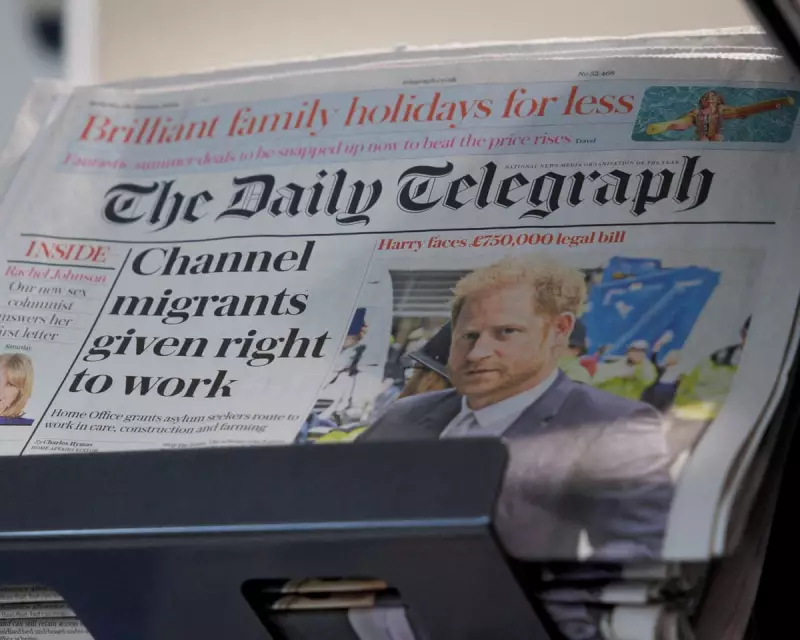
In a landmark deal that could reshape Britain's media landscape, Daily Mail and General Trust (DMGT) has agreed to purchase The Daily Telegraph for £500 million. The acquisition from current owners RedBird IMI marks the conclusion of a dramatic ownership saga that began in 2023 when the Barclay family put the prestigious newspaper titles up for sale due to mounting debts.
The Last Man Standing in Media Battle
Lord Rothermere, whose family has dominated British newspapers for over a century, emerges as the ultimate victor from the fiercely contested bidding war. The deal was announced on Saturday morning and is expected to complete rapidly according to DMGT statements.
Lionel Barber, former Financial Times editor, described the outcome as "a very British stitch-up" and praised Rothermere's strategic patience. "Lord Rothermere has played a very astute poker hand," Barber commented, noting that the media magnate had previously negotiated to acquire 9.9% equity in The Telegraph.

The path to ownership cleared dramatically when RedBird Capital, led by American investor Gerry Cardinale, abandoned its own bid just over a week ago. This followed intense campaigning from The Telegraph's newsroom calling for investigations into the group's connections with China.
Concerns Over Media Plurality and Democracy
The consolidation has raised significant concerns about diminishing competition and diversity in Britain's media environment. With The Telegraph joining DMGT's existing portfolio including the Daily Mail, Mail on Sunday, Metro, and the i Paper, critics worry about the concentration of right-wing media power.
Tom Baldwin, former political editor at the Sunday Telegraph and communications director for Ed Miliband, expressed grave concerns: "Britain's media is already tilted dangerously to a homogenous, rightwing, angry point of view. A merger between the Mail and the Telegraph will only exacerbate that."
Former Labour leader Lord Kinnock reinforced these worries, stating that "the creation of a rightwing press giant will plainly not improve balance of opinion and presentation" and could ultimately harm democracy.
Despite DMGT's pledge to maintain The Telegraph's editorial independence, the merger occurs at a time when social media already fragments news consumption and right-wing media outlets have claimed significant political scalps including BBC director general Tim Davie and Labour figures Angela Rayner and Lord Mandelson.
Political Reactions and Regulatory Scrutiny
Culture Secretary Lisa Nandy has committed to reviewing any buyer, placing the deal under potential government scrutiny. The Labour government faces pressure from its own MPs to intervene, given what Baldwin describes as "a wall of angry, sometimes hyperbolic, often misleading coverage" from these publications since taking office.
However, Barber questioned the consistency of Labour's position, noting that the government didn't attempt to defend the RedBird bid despite The Telegraph's historical opposition to the party. "For any Labour party member or even minister to be complaining about the consolidation of the right in the media rings rather hollow," he observed.
The resolution of this ownership battle consolidates Lord Rothermere's influence across British journalism while raising fundamental questions about media plurality and the health of democratic discourse in the United Kingdom.