Leeds' Tram Dream: Decades of Promises Face New Reality Check
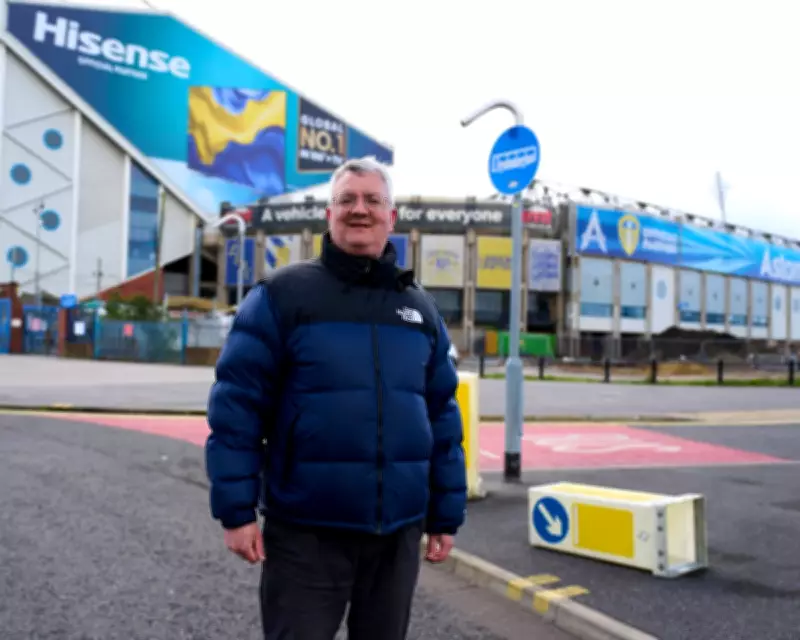
In 1993, a young James Lewis embarked on work experience in Leeds City Council's highways department. At the time, Leeds United FC had just relinquished their title as defending English champions, and the council was pushing forward with ambitious plans, including the Supertram project. Fast forward 33 years, and Lewis, now the council leader, stands outside Elland Road stadium, still championing the same vision: a tram system for Leeds.
A History of False Starts and Renewed Hope
Leeds, the biggest city in Europe without a mass transit system, once had trams—double-deckers that ran through city streets until 1959. Since then, proposals have come and gone. The Supertram plan, funded by the Labour government, was withdrawn in 2005 due to cost concerns. A trolleybus network followed but was dropped in 2016.
Now, the latest iteration, West Yorkshire Mass Transit, has gained government backing. Outlined by Mayor Tracy Brabin, it aims to create an integrated network of buses and two tram lines: one through south Leeds and another linking to Bradford. Development funding of £200 million has been allocated, with potential access to £2.1 billion from the city region.
Government Scrutiny and Delayed Timelines
However, a critical independent review for the Treasury has imposed strict conditions. West Yorkshire must develop a fresh business case, prove the need for trams over buses, and reheat consultations. This process has pushed the opening date for any tram back to the late 2030s. Brabin acknowledges the disappointment, noting that some locals now believe the project is cancelled. She insists it's merely a two-year delay, stating, "I promised tram, and tram is what we're going to get."
Skepticism and Local Doubts
Not everyone is convinced. Greg Marsden, a professor at Leeds University's Institute for Transport Studies, questions the timeline: "We're taking 18 years to build a tram line. How can that possibly be the case?" Tom Forth, co-founder of the Data City, points to centralization as a root issue, arguing that devolution and local tax-raising could expedite the process.
Locals express mixed feelings. A builder near Sweet Street claims Leeds isn't big enough for a tram, while Gladys Crosby, a 24-year-old personal trainer student, says she's heard promises of improvement her whole life. In Armley, an elderly couple waiting for an Uber shows divided opinions—she welcomes the idea, but he doubts it will ever happen.
Potential for Transformation and Investment
Despite skepticism, proponents highlight the tram's potential to drive regeneration. Pete Lowy, a Leeds United investor, notes that mass transit could support a £1 billion investment for 2,500 new homes and commercial spaces around Elland Road. Henri Murison of the Northern Powerhouse Partnership points to provable investment in Bradford's Southern Gateway project, spurred by the tram promise.
Lewis argues that previous proposals failed by trying to fit trams into existing bus routes. The new plan aims to create "legible, easy to use, high-quality public transport" that anchors the city and links key institutions like St James's hospital and the White Rose shopping centre.
The Road Ahead: Buses and Beyond
While trams remain a focal point, immediate improvements are planned for buses, which will come under public control in 2027. Rob Johnson of the Centre for Cities suggests that increasing bus frequencies could connect more residents than new trams alone. However, Brabin and Lewis emphasize that trams are crucial for underpinning massive development, offering reliability and job growth.
As Leeds awaits its tram dream, the city balances hope with the harsh reality of bureaucratic delays. Whether this latest plan will break the cycle of promises remains to be seen, but for now, the vision of a transformed Leeds persists.