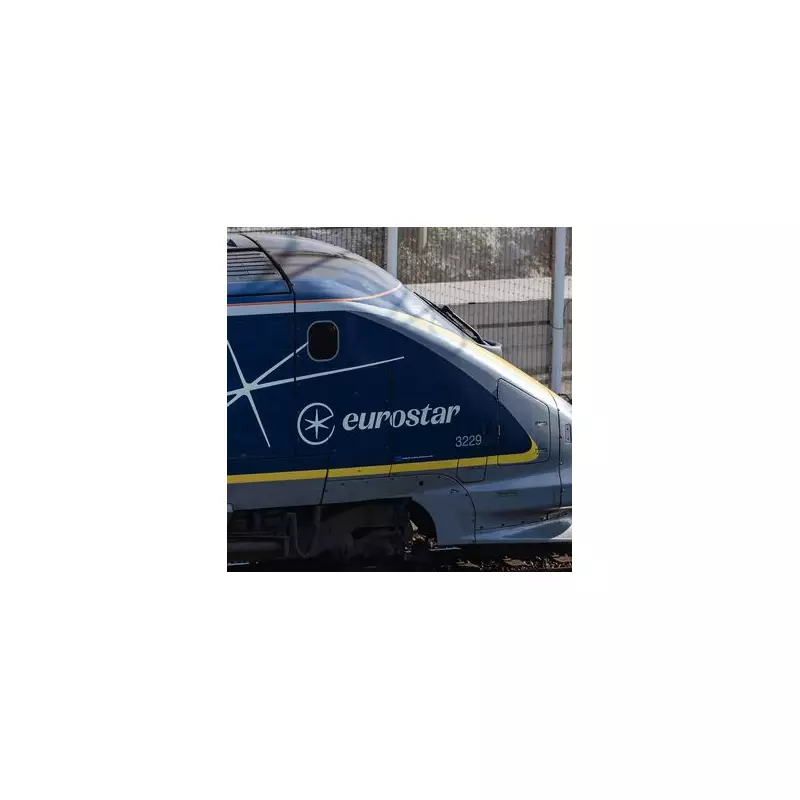
The era of Eurostar's unchallenged reign over the London-to-Paris rail corridor is drawing to a close. As the operator celebrates carrying a record 20 million passengers in 2025, the competitive landscape is shifting dramatically, promising faster, greener, and more affordable travel options for passengers crossing the Channel.
The New Challengers Entering the Fray
For years, the lack of competition has been a key factor behind Eurostar's premium fares. However, this monopoly is set to be broken following regulatory approval from the Office of Rail and Road. The first major challenger is Virgin, led by Sir Richard Branson, which secured approval in October 2025 and access to the crucial Temple Mills depot in Leyton.
Virgin has commissioned 12 new Avelia Stream trains from Alstom and plans to launch services from St Pancras International to Paris, Brussels, and Amsterdam by 2030.
In a surprising twist, Italy's state-owned FS Group, through its Trenitalia arm, has also thrown its hat into the ring. Backed by a $300 million investment from US firm Certares, it plans to build a new storage facility near Paris, bypassing the London space crunch. Trenitalia aims to start its cross-Channel service as early as 2029, potentially giving it a one-year head start on Virgin.
Eurostar's Counter-Strategy: Expansion and Innovation
Not to be outdone, Eurostar is pushing ahead with ambitious plans of its own. Building on its passenger success, the company is looking beyond its core routes to Paris, Brussels, and Amsterdam.
Formal agreements are in place with Deutsche Bahn (DB) to launch direct services to Cologne and Frankfurt in the 2030s using a new fleet. Plans for a direct link to Geneva are also in development.
The centrepiece of its innovation is the new Eurostar Celestia fleet. This landmark €2 billion order will introduce the UK's first double-decker high-speed trains. Each train will carry around 1,080 passengers, a 20% capacity increase, with the first set to enter service in May 2031.
Transforming the Passenger Experience at St Pancras
To cope with growing passenger numbers and new operators, London's St Pancras International is undergoing an £80-100 million overhaul. The goal is to create a 'turn up and go' experience, slashing the recommended arrival time from up to 90 minutes down to just 15 minutes.
The project will double security capacity by extending into the arrivals hall and allow boarding up to 30 minutes before departure to ease lounge congestion.
Another imminent change is the EU's Entry/Exit System (EES), fully implemented by 10 April 2026. This will require non-EU travellers to register facial and fingerprint biometrics at new kiosks at St Pancras, replacing passport stamps.
The coming years promise the most significant shake-up in cross-Channel travel since the tunnel opened in 1994. With new rivals, innovative trains, and expanded routes, passengers can look forward to more choice and a transformed journey from the heart of London into Europe.