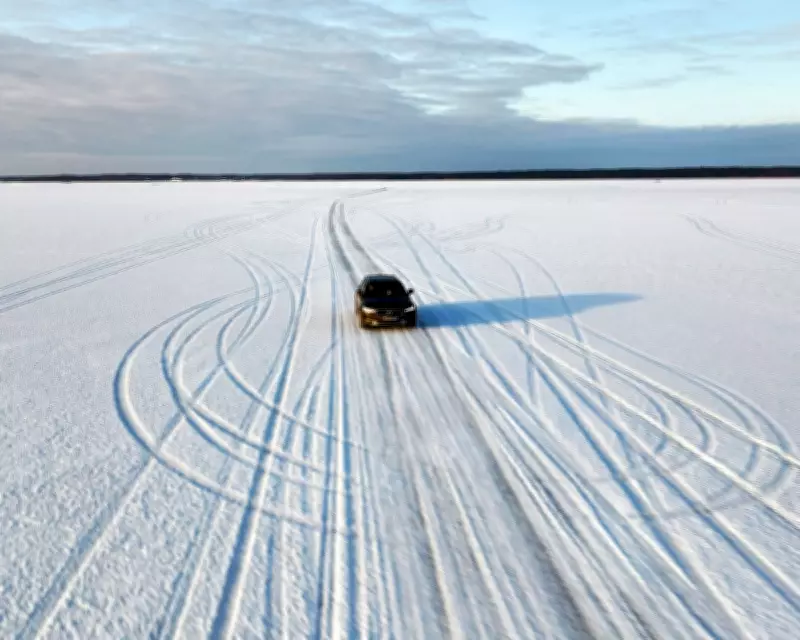
Estonia's Frozen Highway: Ice Road Opens Between Islands Amid Arctic Chill
A remarkable natural phenomenon has emerged in northern Europe, as a severe cold spell has enabled the opening of a 20-kilometre 'ice road' across the frozen Baltic Sea, connecting Estonia's two largest islands. This extraordinary temporary route links Hiiumaa and Saaremaa, providing a vital lifeline for local communities after weeks of sub-zero temperatures plunged to -10°C (14°F).
Necessity and Culture Combine on the Frozen Sea
The decision to officially open the ice road came after local residents began spontaneously driving across the frozen sea, exposing themselves to significant risks. With regular ferry services struggling to operate in the icy conditions, authorities recognised the urgent need for a safe, regulated crossing. For the approximately 9,000 inhabitants of Hiiumaa, this frozen highway offers crucial access to Saaremaa's larger population of 31,000 for essential activities including shopping, school runs, and social visits, while also ensuring connection to mainland Estonia.
Hergo Tasuja, the mayor of Hiiumaa, emphasised that while necessity drove the opening, this practice represents "part of our culture." He explained: "For generations and generations, local people who live here, especially those who live near the sea, swim and use boats in the summertime. And in winter, it's in their blood to go to the sea and step out on the ice."
Engineering a Path Across Frozen Waters
Creating this temporary roadway across the frozen sea represents a considerable engineering challenge. Marek Koppel, a road maintenance supervisor at Verston Eesti, the Estonian construction company responsible for building and managing the road, detailed the meticulous preparation required. Workers must measure ice thickness every 100 metres to identify areas with more than 24 centimetres of ice – the minimum safety requirement. They smooth over ridged ice and cracks, while weather conditions and ice solidity are monitored around the clock, with the route amended accordingly based on these constant assessments.
The 'ice road' essentially functions as a marked corridor on the frozen sea where specialists have determined the ice possesses sufficient thickness to sustain the weight of driving vehicles. This marks the first time in eight years that such a crossing has been possible between the islands, following a period of warmer winters that prevented ice formation of adequate strength.
Strict Safety Protocols for Arctic Driving Conditions
Driving on this frozen seascape comes with a unique set of safety regulations designed to prevent accidents and ensure rapid evacuation if problems occur. Vehicles cannot exceed 2.5 tonnes in weight and must maintain specific speed parameters: either below 20km/h (12.4mph) or between 40 and 70km/h (25 and 43mph). The critical middle range is prohibited because it can create vibrations that potentially damage the ice structure.
Cars are not permitted to stop on the ice road and must maintain safe distances from one another. Perhaps most unusually, passengers are prohibited from wearing seatbelts, and doors must remain easy to open – both measures intended to facilitate a swift exit should a vehicle encounter difficulties or begin to break through the ice.
Alexei Ulyvanov, who travelled from nearby Tallinn to experience the crossing with his children, reported: "The road was pretty good, it was easy to ride." He added that he wanted to show his children "that it's possible to ride a car over the sea," highlighting the extraordinary nature of this winter journey.
Expanding Frozen Networks
With the success of this initial crossing, Verston has announced that authorities have contracted them to open two additional ice routes this week. These new paths will connect mainland Estonia to two smaller islands, further expanding this unique winter transportation network that emerges only during periods of sustained extreme cold.
This temporary infrastructure solution demonstrates how communities adapt to challenging environmental conditions, blending traditional knowledge with modern safety protocols to maintain essential connections during the harshest winter months.