Waymo Initiates Autonomous Robotaxi Testing in London with AI at the Wheel
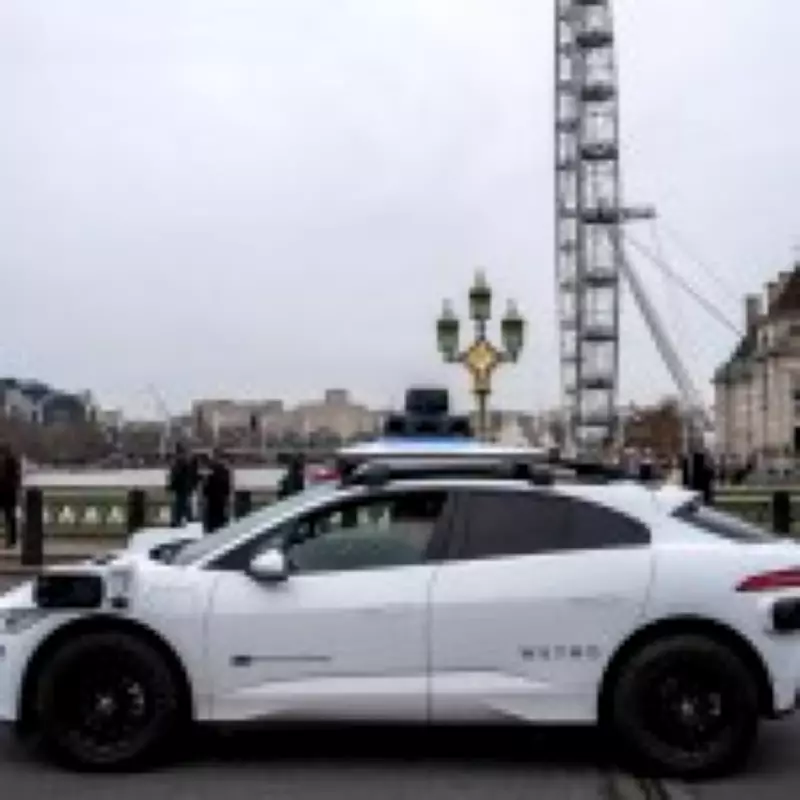
Robotaxi company Waymo has announced that its vehicles in London are now being operated by artificial intelligence, marking a significant advancement from its earlier launch this year with human drivers as a safety measure. Originally established as Google's self-driving division, Waymo introduced its cars to the UK market initially with human oversight to handle any potential issues. Now, the firm is progressing toward fully autonomous passenger services, pending government approval, which it hopes to achieve later this year.
Co-CEO Announces Key Testing Phase for UK Roads
Co-CEO Dmitri Dolgov revealed the new testing phase, stating in a written announcement: 'Autonomous testing is now underway with specialists behind the wheel as we master local nuances and validate performance on UK roads—a key step toward rider-only deployment.' However, not all Waymo vehicles are fully controlled by AI at this stage; the majority still retain human safety drivers. According to Sky News, the company began allowing the cars to take control within the past few weeks.
Safety Claims and Public Trust in Driverless Technology
Waymo promotes its futuristic cars as being involved in 92% fewer crashes that result in serious or fatal injuries compared to human drivers. Despite this, public trust remains low. A YouGov poll indicates that only 3% of Britons would trust a driverless taxi 'a great deal,' while 14% express 'a fair amount' of trust. In contrast, nearly 79% report little or no trust, with 44% stating they would not trust one at all. The UK is set to fully legalize driverless taxis in 2027 with the implementation of the Automated Vehicles Act.

Rising Incidents in the Self-Driving Vehicle Sector
As numerous companies, particularly in the US, experiment with computer-aided driving, the number of self-driving vehicle incidents has been increasing. Tesla, owned by Elon Musk, has been testing self-driving software since 2015, with monitoring groups reporting 59 fatalities in crashes involving its vehicles to date. Official figures show that from July to December 2023, crashes in the US averaged about 17 per month, but this has since risen to an average of 59 incidents monthly, peaking at 110 in May last year. Analysts attribute this increase not to a verdict on safety but to the growing number of autonomous vehicles on the road.
Controversy Following a Fatal Incident Involving Waymo
Last October, a tragic incident occurred when KitKat, the beloved pet cat of Randa's Market in San Francisco, was struck and killed by a Waymo self-driving car. The cat was rushed to a hospital by a nearby bartender but was pronounced dead. Community anger intensified after it was revealed that on the same day, Waymo co-CEO Tekedra Mawakana commented that society might be 'ready to accept deaths' caused by automated cars. KitKat's owner warned that future victims could include children, not just pets. Waymo issued a statement expressing sympathy and confirming a donation to a local animal rights organization, explaining that the vehicle was stopped to pick up passengers when the cat darted underneath as it pulled away.
This development in London represents a pivotal moment in the evolution of urban transport, blending technological innovation with ongoing public and regulatory scrutiny.