London Underground Strikes to Cause Major Disruption in April
Transport for London (TfL) has officially announced which London Underground lines will remain operational during two planned 24-hour strikes scheduled between Tuesday, April 21 and Friday, April 24. The walkouts, organized by Tube drivers, are in protest against proposals to implement a condensed four-day working week, which has sparked a heated dispute between TfL and the Rail, Maritime and Transport Union (RMT).
Details of the Strike Action
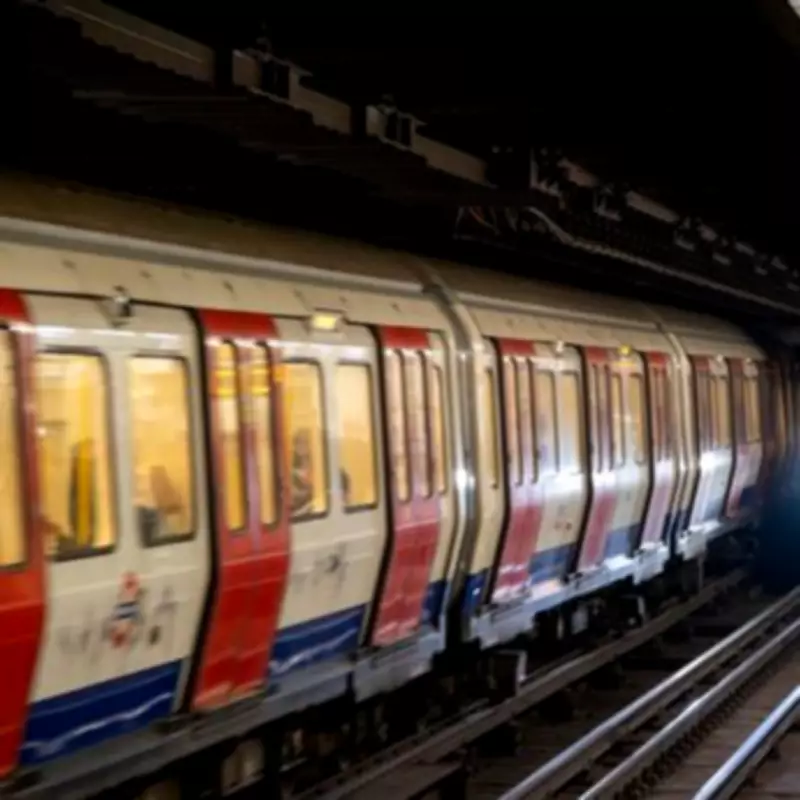
The first strike is set to commence at midday on Tuesday, April 21, continuing until midday on Wednesday, April 22. A second strike will follow during the same hours from Thursday, April 23 to Friday, April 24. TfL anticipates that most Tube lines will still run on all four days, but severe disruption is expected due to staff shortages. Specifically, no services will operate on the Piccadilly and Circle lines. Additionally, the Metropolitan line will be suspended between Baker Street and Aldgate, and the Central line will have no service between White City and Liverpool Street.
Impact on Commuters and Alternative Transport
For lines that do run, services are predicted to be less frequent, extremely crowded, and passengers may struggle to board the first available train. TfL advises travelers to check before they journey and consider using alternative transport options, such as the DLR, Elizabeth line, London Overground, and bus services, which are unaffected by the strikes. However, these alternatives are likely to experience increased congestion due to the closure of Underground lines. In a further complication, bus strikes in East London on Friday, April 24 will affect routes including the 8, 25, 205, 425, N8, N25, and N205, exacerbating travel challenges for commuters.

Background of the Dispute
The conflict centers on TfL's proposal to shift from a 36-hour workweek spread over five days to a 35-hour pattern across four days, accounting for one less paid lunch break. The RMT is advocating for a reduction to 32 hours over four days, citing concerns about driver fatigue and passenger safety. Claire Mann, TfL's chief operating officer, emphasized that the changes would be voluntary, with no reduction in contractual hours, and drivers could opt to maintain a five-day schedule. She urged the RMT to call off the strikes to avoid disrupting Londoners.
Negotiations and Previous Actions
Dialogue between TfL and the RMT is ongoing, though neither party provided updates on negotiations earlier this week, with TfL citing pre-local election restrictions. In March, the RMT suspended a previous round of Tube strikes six days before they were due to start, following progress in talks where TfL reportedly reconsidered its stance on the working week changes.
Summary of Disruption Timeline
- Tuesday, April 21 and Thursday, April 23: Normal services expected until mid-morning, with disruption increasing late morning as services reduce ahead of strike action. Significant disruption anticipated after midday.
- Wednesday, April 22 and Friday, April 24: Major disruption expected in the morning, continuing throughout the afternoon and evening as services gradually return to normal. Normal service is projected by the evening.
Passengers are strongly advised to plan ahead and monitor TfL updates for the latest information on service availability during this period of industrial action.