London Faces Second Tube Strike Amid Four-Day Week Dispute
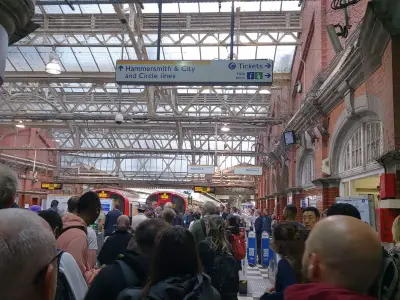
Commuters in London are bracing for continued disruption as a second 24-hour tube strike commenced at midday on Thursday. This follows an initial 24-hour strike that began on Tuesday, with no further negotiations occurring to resolve the ongoing dispute between the RMT union and London Underground management.
Reduced Services and Alternative Transport Options
During the strikes, services have been significantly reduced across most underground lines, though not completely cancelled. Notably, just over half of London's tube drivers belong to the Aslef union, which supports the four-day week proposal and has not participated in the industrial action. This has allowed for some continued service operation.
Transport for London (TfL) implemented limited operating hours during the strikes, with services running only from 7:30 AM on Wednesday in an effort to minimize overall disruption. Early morning commuters were forced to seek alternative transportation methods.

Surprisingly Lower Disruption Levels
Despite the strikes, overall congestion and disruption appeared substantially lower compared to last September's strikes involving all RMT workers. Several factors contributed to this reduced impact:
- Many companies in the capital relaxed workplace policies to allow increased remote working
- Favorable weather conditions encouraged cycling and walking alternatives
- Passengers reported quieter than usual trains on operational lines
Alternative transport services saw significant increases in usage. Santander bike hires surged by 60% on Tuesday morning, while Voi, an e-scooter and e-bike rental operator in London, reported a 52% increase in rides compared to the previous week, with substantial numbers of new users.
Service Expectations and Strike Details
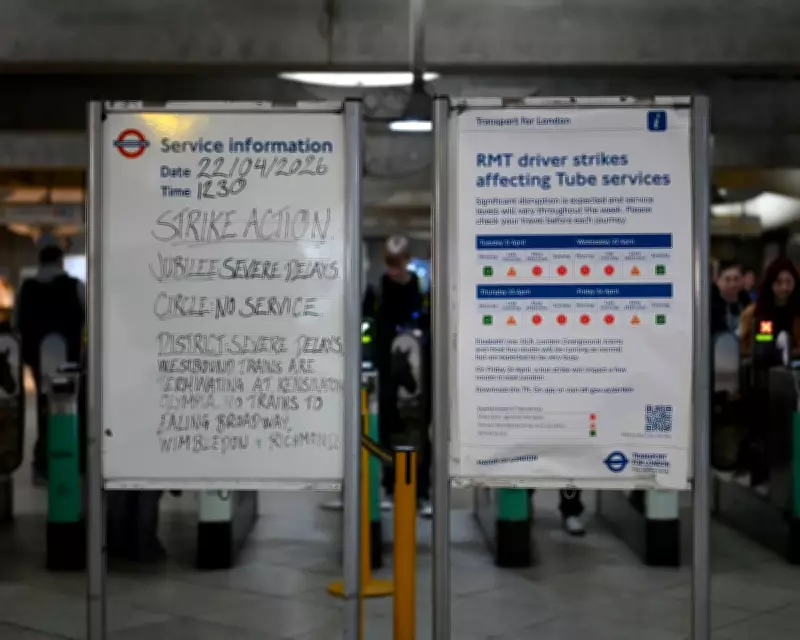
TfL advises passengers to check before traveling on Thursday, with services reduced across all lines from midday and concluding by 8:00 PM. Friday morning will see first trains starting from 7:30 AM.
During strike hours, most of the Piccadilly, Waterloo & City, and Circle lines are expected to have no service, along with sections of the Metropolitan and Central lines. Other rail services including the London Overground, Elizabeth line, and DLR will continue operating.
The Core Dispute: Voluntary Four-Day Week
The strikes center on London Underground's proposal for a voluntary four-day working week. TfL maintains that the changes would align London Underground with working patterns of other train operating companies, emphasizing that drivers wishing to maintain a five-day working week would retain that option.
Nick Dent, Director of Customer Operations for London Underground, stated: "The changes would be voluntary, there would be no reduction in contractual hours and those who wish to continue a five-day working week pattern would be able to do so."
RMT's Safety Concerns and Negotiation Breakdown
The RMT union presents a different perspective, with a spokesperson describing the proposal as an "imposed, fake four-day week" and raising "serious concerns from our members about shift length and resulting fatigue impacting safety."
The union claims TfL initially promised to negotiate all elements of the proposal but then reversed position, proceeding without modifications. RMT has sought written assurances that members can maintain current shift patterns and terms, but reports inadequate response from TfL.
Future Strike Actions and Resolution Efforts
Unless the dispute is resolved, the RMT has scheduled four additional 24-hour strikes in May and June. Dent urged the union to "call off this strike, meet with us and avoid any further disruption to Londoners," while acknowledging that "significant disruption" is expected to continue into Friday with varying service levels across lines.
Both Aslef and TfL have expressed surprise at the strike action, while the RMT maintains that safety concerns and negotiation failures have necessitated the industrial action.