Hyde Park Set for Major Transport Safety Transformation
Westminster City Council has announced comprehensive safety enhancements for the Hyde Park area, featuring the introduction of floating bus stops and new segregated cycle highways. This initiative aims to create a safer public space for all users, though the floating bus stop design has previously faced criticism for potentially compromising safety for visually impaired pedestrians.
Controversial Floating Bus Stop Implementation
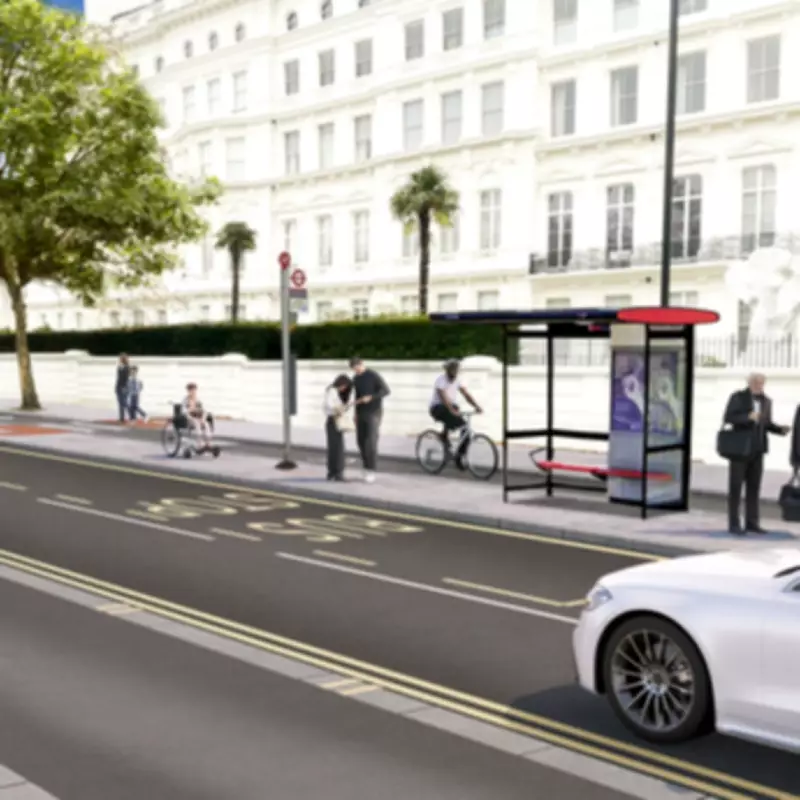
A floating bus stop, also known as a bus stop bypass, positions the bus shelter on an island separated from the main pavement by a dedicated cycle track. This configuration keeps cyclists away from vehicular traffic while allowing passenger boarding, but requires pedestrians to cross the cycle path to access the stop. The design has been specifically criticised for creating hazards for disabled and visually impaired users who must navigate this crossing.
Westminster Council plans to install these floating bus stops along Bayswater Road at multiple locations: Eastbound at Caroline Close, east of Leinster Terrace, and east of Lancaster Gate; and Westbound, west of Lancaster Gate. Council representatives argue these measures will reduce conflicts between cyclists and motorists, with dedicated zebra crossings provided at each bus stop to enhance pedestrian safety.

Comprehensive Cycling Infrastructure Improvements
The ambitious plans include establishing a dedicated cycle track along Bayswater Road running Eastbound from Palace Court Road to Lancaster Terrace, and continuing from Lancaster Terrace to Caroline Close. Additionally, a new cycle crossing will be created at the Bayswater Road and Queensway Junction, connecting cyclists with the existing C27 cycleway network.
Pedestrian safety receives equal attention with upgraded crossings planned for Queensway, Inverness Terrace, and Leinster Terrace. The council has specifically committed to improving tactile paving on Bayswater Road crossings to enhance accessibility for visually impaired pedestrians.
Traffic Impact and Parking Adjustments
A Westminster City Council spokesperson provided detailed projections regarding traffic implications: "Journey times will improve for pedestrians due to simpler crossings. We expect little or no impact to journey times for motor vehicles. This is because this section of Bayswater Road already mostly operates in one lane in either direction due to vehicles parking or loading in the lane closest to the pavement."
The spokesperson further explained: "There will be a slight reduction in motor vehicle capacity between Ossington Street and Queensway, going Eastbound. This, combined with the additional pedestrian crossing time, is expected to result in a 0-1 minute change to motor vehicle journey times."
Parking and loading restrictions form another component of the safety strategy, with Bayswater Road set to discourage such activities except for a designated section opposite Lancaster Gate.
Public Consultation Opportunity
Residents and stakeholders have been invited to share their perspectives through a public consultation being conducted by Westminster City Council. This consultation period represents a crucial opportunity for community input regarding these significant infrastructure changes affecting one of London's most iconic green spaces.