Fuel Prices Surge: How to Cut Costs with Expert Driving Advice
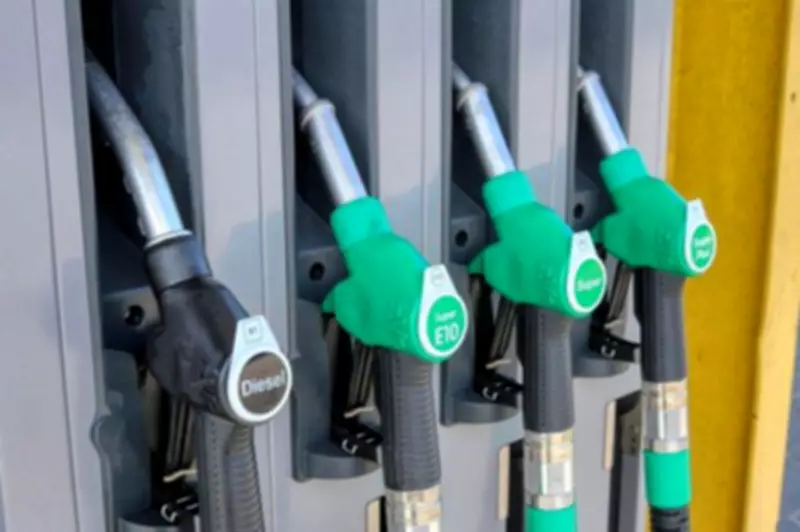
As fuel prices climb amid fears of global oil supply disruptions from the war on Iran, UK drivers are seeking ways to reduce petrol expenses. Searches for terms like "how to save petrol" are skyrocketing, highlighting a growing concern over rising costs at the pumps. While you cannot control petrol prices, you can influence how much fuel your car consumes through smarter driving habits.
Long before the current crisis, sparked by US and Israeli attacks on Iran, some drivers embraced "hypermiling"—the art of driving in the most fuel-efficient way possible. This practice has moved from niche to mainstream, with guidance from the AA and RAC offering simple, effective techniques to lower your fuel bill immediately.
10 Proven Tips to Improve Fuel Efficiency
1. Drive Smoothly and Anticipate Traffic
The AA advises looking further ahead on the road and easing off early instead of braking late, while the RAC emphasizes maintaining momentum. This reduces harsh stops and starts, directly lowering fuel consumption. Anticipate traffic lights and slow-moving traffic to enhance fuel economy.
2. Control Your Speed for Better Efficiency
Speed is a major hidden drain on fuel. The RAC warns that higher speeds and aggressive acceleration increase fuel use, with many cars most efficient at 45–50mph. The AA supports this through advice on smoother driving and earlier gear changes, stressing that steady, moderate speeds are key to reducing costs.
3. Shift to Higher Gears Earlier
One of the easiest fuel-saving tips is changing gear usage. The AA suggests shifting up earlier, even around 1,000rpm sooner, to cut fuel use over time. The RAC explains that engines burn more fuel at higher revs, so staying in a higher gear maximizes efficiency—a quick habit to adopt for everyday driving.
4. Maintain Proper Tyre Pressure
Tyre pressure directly impacts fuel economy, yet it is often overlooked. Both the AA and RAC stress that incorrect pressures force your car to work harder, using more fuel. Regularly checking tyre pressure improves mpg without altering your driving style.
5. Reduce Weight and Drag
Unnecessary weight and drag increase fuel consumption. The AA recommends clearing clutter from your boot, while the RAC highlights how roof racks and boxes boost drag, especially at higher speeds. Removing roof bars or avoiding open windows on fast roads can enhance fuel efficiency.
6. Limit Air Conditioning and Electrical Use
Air conditioning and electrical features like heated seats strain the engine, raising fuel consumption. Both organizations advise using these features only when necessary, particularly on shorter journeys where efficiency is already lower.
7. Avoid Idling and Use Stop-Start Systems
Idling wastes fuel, with the AA recommending turning off your engine when stopped and the RAC noting it uses significant fuel over time. Stop-start systems, if used correctly, can help reduce fuel use in traffic or during brief stops.
8. Use Cruise Control Wisely
Cruise control can save fuel by maintaining a steady speed on long journeys, as highlighted by the AA. However, the RAC warns it may increase fuel use on hills where driver input is more efficient. For best results, use it on flat motorways, not hilly routes.
9. Combine Journeys and Avoid Short Trips
Short trips harm fuel economy because engines are less efficient when cold. The AA notes this inefficiency, while the RAC suggests combining trips into longer journeys to keep the engine warm and efficient, reducing overall fuel use.
10. Keep Your Car Serviced Regularly
Regular maintenance boosts fuel efficiency. Both the AA and RAC stress that well-maintained engines, clean filters, and fresh oil contribute to better fuel economy. Skipping servicing might save money short-term but increases fuel costs over time.
What Is Hypermiling and Should You Try It?
Hypermiling involves driving techniques designed to maximize mpg and minimize fuel use, based on habits like smoother driving, better anticipation, and reduced weight. While some take it to extremes, the AA and RAC advice shows that modest changes can significantly cut fuel costs. With petrol prices under pressure, these small gains are becoming increasingly valuable for drivers looking to save money.