Ireland Gripped by Widespread Fuel Price Protests
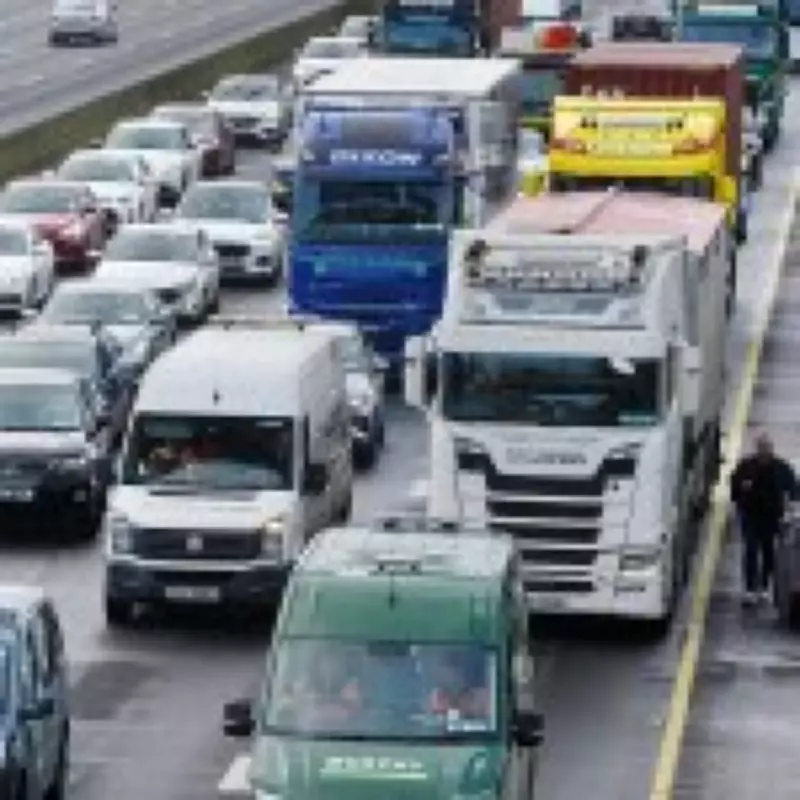
Ireland is experiencing significant disruption as fuel price protests block major roads and motorways across the country. Since Tuesday, hauliers, agricultural workers, and transport operators have organized demonstrations that have effectively paralyzed key infrastructure, including the busy M50 motorway near Dublin Airport.
Critical Supply Chain Disruption
The protests have created severe consequences for essential services. Over 100 petrol stations have reportedly run dry, while critical medical supplies face delays. Frontline workers and hospitals are experiencing shortages, with heartbreaking stories emerging of missed hospital appointments. Tony O'Rourke, a retired firefighter, revealed his terminally ill wife missed radiation treatment due to blockade-related travel issues.
Dublin Airport has advised passengers to allow extra travel time as protesters have forced some travelers to walk the final distance with their luggage. The situation has escalated to the point where the Irish Defence Forces have reportedly been placed on standby to clear blockades if necessary.
Protest Origins and Organization
The demonstrations were sparked by skyrocketing petrol and diesel prices, exacerbated by uncertainty surrounding the Strait of Hormuz, a crucial global oil passage. Despite some fuel convoys being released from affected ports like Foynes for essential services, the protests continue to disrupt normal operations.
Notably, the organization remains mysterious, with no clear leadership structure. Coordination appears to occur primarily through social media channels without formal oversight. Major industry associations, including the Irish Road Haulage Association and Irish Farmers' Association, have distanced themselves from the actions.
UK Fuel Price Context
While Ireland faces immediate disruption, the United Kingdom is experiencing its own fuel price crisis. Current averages show petrol at 158.16p per liter and diesel at a record-high 191.31p. According to RAC policy head Simon Williams, average fuel prices have increased daily for 40 consecutive days since the Iran conflict began.
"A full tank of diesel for a 55-liter family car now costs £105.22, representing a £27 increase since late February," Williams explained. "Petrol costs for similar vehicles have risen by £14 during the same period."
Despite recent oil price fluctuations offering some hope for stabilization, the situation remains volatile as the US-Iran ceasefire shows signs of strain and Strait of Hormuz transit remains restricted.
Could Protests Spread to the UK?
While no coordinated protests have emerged in the UK, historical precedent suggests vulnerability. Significant fuel protests occurred in 2000, 2005, 2007, and most recently in 2022 following the Ukraine conflict. Professor Matthew Paterson of the University of Manchester, who has studied previous fuel protests, notes that motoring continues to represent "an obvious flashpoint" for potential future demonstrations.
Some social media activity in UK-based groups has called for similar action, though no organized movement has materialized. Ireland's Transport Minister Darragh O'Brien has urged protesters to end blockades, emphasizing the government's preference to avoid "heavy-handed" responses while acknowledging the seriousness of the situation.
Broader Implications
The protests have already prompted courier giant DPD to announce temporary suspension of Irish services. As the standoff continues, questions mount about government responses to fuel price inflation and the potential for similar movements in other nations facing energy cost pressures. With both Ireland and the UK experiencing record fuel prices, the situation highlights growing tensions between economic realities and public tolerance for rising living costs.