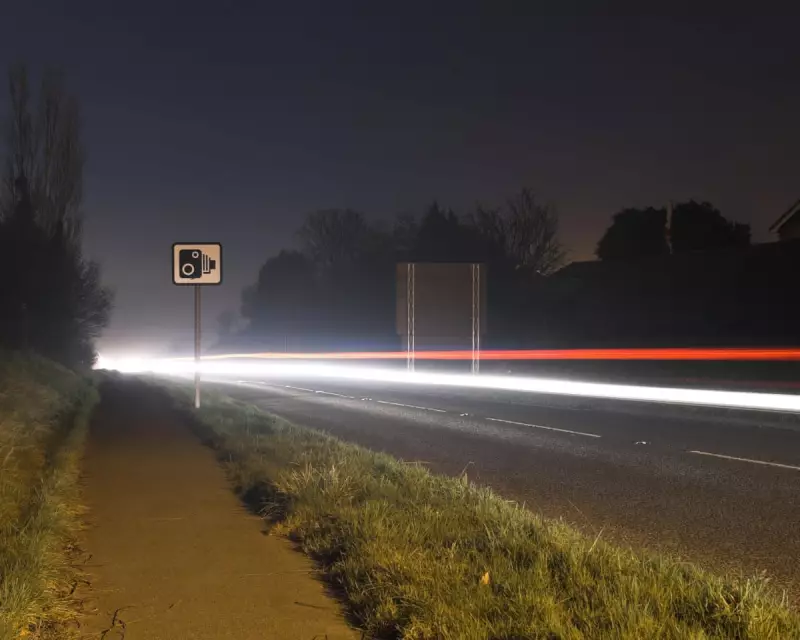
The debate over whether speed cameras should be hidden from view or placed in plain sight has been reignited, following a revealing poll of Guardian readers. The results show a clear majority hold a firm opinion on this contentious issue of traffic enforcement.
The Verdict from the Public
In response to the question "Should speed cameras be hidden?", a significant 78% of participants voted 'no'. This overwhelming majority believes that the devices, intended to promote safer driving, should be clearly visible to motorists. Only a small fraction of respondents supported the use of covert cameras as a tool for law enforcement.
Arguments Against Concealed Cameras
Those opposed to hidden speed cameras put forward several key points. A predominant argument is that visible cameras act as a more effective deterrent. The logic is simple: if a driver knows a camera is present, they are more likely to slow down in that specific area and, ideally, maintain a more cautious speed overall.
Many readers expressed the view that the primary goal should be accident prevention, not revenue generation from fines. They argued that hidden cameras foster a perception of the authorities as trying to 'catch out' drivers rather than genuinely aiming to improve safety. This, they fear, erodes public trust in the system.
Some contributors drew parallels with other areas of life, suggesting that visible policing, much like visible speed cameras, creates a greater sense of security and compliance. The consensus among this group is that safety is best achieved through clear, upfront measures that encourage voluntary adherence to the law.
The Case for Covert Enforcement
A minority of readers defended the use of hidden or partially concealed speed cameras. Their central thesis is that if the location of every camera is known, drivers will simply slow down for the camera before resuming speeding once past it. This makes speed reduction localised and temporary.
Proponents argue that the uncertainty created by hidden cameras encourages drivers to obey speed limits at all times, on all roads, not just on notorious camera-lined stretches. They see this as a more effective strategy for creating lasting behavioural change and enhancing safety across the entire network.
This side of the debate often frames the issue as one of personal responsibility: if a driver is obeying the law, they should have no fear of a camera, whether it is visible or not. The penalty, in this view, is a consequence of breaking the law, not of being caught by a hidden device.
Broader Implications for Road Safety
The strong public sentiment against hidden speed cameras presents a challenge for police forces and road safety partnerships. While technology allows for more discreet enforcement, this poll suggests such tactics may be met with public resistance and accusations of unfairness.
The discussion touches on a fundamental question of enforcement philosophy: is it better to use overt surveillance to directly shape behaviour in known hotspots, or to use the threat of unseen surveillance to encourage blanket compliance? The Guardian's reader sample has delivered a robust answer in favour of the former.
This feedback highlights the importance of transparency in public safety initiatives. For a measure to have both legitimacy and effectiveness, it appears that public buy-in is crucial. The results indicate that most drivers prefer a system that warns and educates through visibility, rather than one that primarily punishes through concealment.