Croydon Council Ordered to Repay £10.7 Million in LTN Fines After Court Deems Schemes Unlawful
Croydon Council faces a massive financial setback as it scrambles to refund approximately £10.7 million to drivers penalized under six Low Traffic Neighbourhood (LTN) schemes. The High Court recently ruled these traffic restrictions were primarily installed to generate revenue for the cash-strapped borough, rather than for legitimate traffic management purposes.
Unlawful Enforcement Leads to Widespread Refunds
Between March 2024 and March 2026, tens of thousands of Penalty Charge Notices (PCNs) worth £160 each were issued to motorists who breached LTN restrictions on residential roads. These schemes, designed to reduce motor traffic and prevent rat-running, utilized enforcement cameras that have now been deactivated following the court's decision.
Croydon Mayor Jason Perry confirmed the council will not appeal the judgment and has permanently removed all six LTN schemes. "The priority now is making sure residents can easily claim back any fines they paid," Perry stated on social media, emphasizing that these traffic restrictions will not return during his tenure.
Specific Roads Affected by LTN Removal
The borough has dismantled Healthy Neighbourhood traffic schemes on six specific roads:
- Albert Road
- Dalmally Road
- Elmers Road
- Holmesdale Road
- Parsons Mead
- Sutherland Road
Important to note that other LTN initiatives, including school streets, remain unaffected by this particular ruling and continue to operate normally.
Financial Impact and Refund Process
Data obtained through Freedom of Information requests reveals the substantial revenue these LTNs generated for the council. Between April 2024 and June 2025, the three most profitable enforcement locations were:
- Lodge Road: Generated over £1.4 million from 21,270 PCNs
- Parsons Mead: Generated approximately £986,000 from 19,942 fines
- Derby Road junction with Clarendon Road: Generated around £938,000 from 17,688 PCNs
The council plans to implement a straightforward refund process including direct email notifications to affected residents, a simple online claim form, and an eligibility checker to help motorists determine if they qualify for reimbursement.
Political Context and Budgetary Pressures
This development occurs against the backdrop of Croydon's severe financial challenges, with the borough facing a £1.4 billion budget deficit. Justice Pepperall noted in the court judgment that Mayor Perry initially opposed LTNs but later reconsidered due to budgetary concerns, highlighting the tension between traffic management objectives and financial necessity.
Rowenna Davis, Labour mayoral candidate for Croydon, criticized the council's approach: "It is unacceptable to be catching out motorists in a cost-of-living crisis to plug black holes in a budget. We have to be guided by what the people want and need."
Community Reaction and Broader Implications
Open Our Roads, a campaign group opposing LTNs in Croydon, welcomed the court's decision, stating that residents "deserve transparency and decisions based on evidence, not financial necessity." The ruling contrasts with developments in other London boroughs, where similar disputes continue.
In Tower Hamlets, Mayor Lutfur Rahman's council recently lost its appeal to remove LTNs on Columbia Road, Arnold Circus and Old Bethnal Green Road, with the case now proceeding to the Supreme Court. Local campaigners from Save Our Streets celebrated that decision as a victory for residents, illustrating the varied approaches to traffic management across London boroughs.
Understanding Low Traffic Neighbourhoods
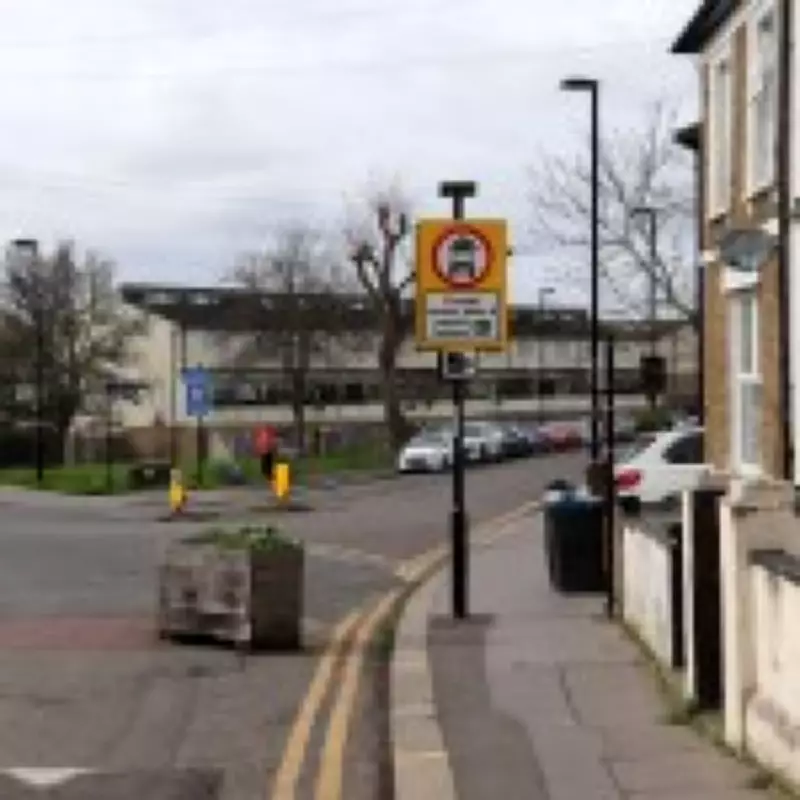
Low Traffic Neighbourhood schemes represent a controversial approach to urban traffic management, typically employing physical barriers like planters and bollards alongside enforcement cameras to restrict vehicle access on residential streets. Originally implemented during the COVID-19 pandemic to encourage walking and cycling, these initiatives aim to reduce through-traffic while maintaining access for pedestrians, cyclists, and local residents.
The Croydon case establishes an important precedent regarding the legitimate purposes of traffic management schemes, emphasizing that revenue generation cannot supersede genuine traffic reduction objectives. As London continues to grapple with congestion and environmental concerns, this ruling may influence how other boroughs design and implement similar traffic management initiatives in the future.