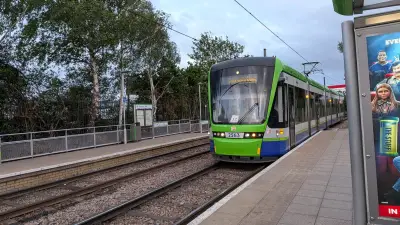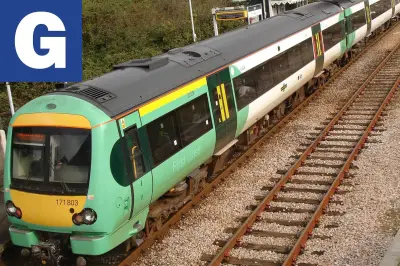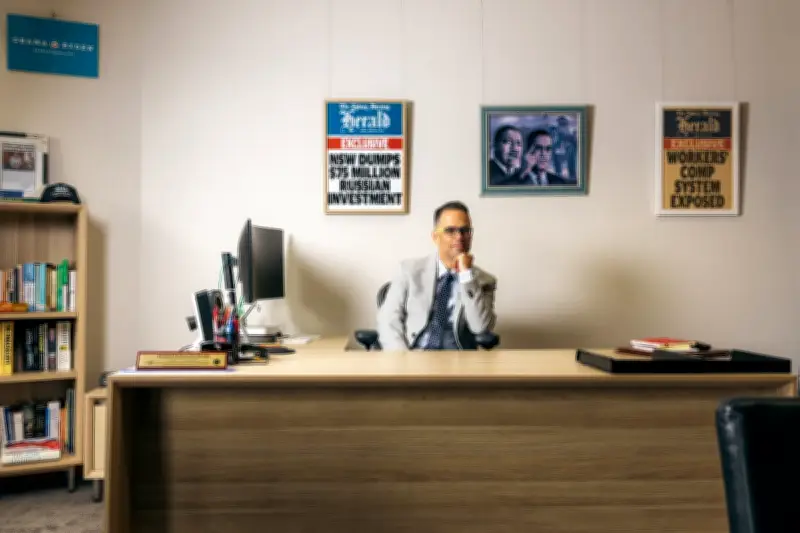
Commuters in New South Wales will benefit from reduced public transport fares under the upcoming state budget, as the Minns government seeks to balance cost-of-living relief with inflation control. The budget, to be delivered by Treasurer Daniel Mookhey on Tuesday, will lower daily and weekly caps on Opal card and credit card fares for trains, trams, buses, and ferries.
Currently, passengers receive free travel after spending $50 in a week, with daily caps of $19.30 from Monday to Thursday and $9.65 from Friday to Sunday. Seniors enjoy a $2.50 daily cap. The new caps will be reduced, though exact figures have not yet been disclosed. However, the government will not follow Victoria’s model of free travel or Queensland’s 50-cent fares.
Budget Focuses on Relief, Reform, and Discipline
Mookhey described the budget as being “about three things: relief, reform and discipline.” He emphasized that the strategy reflects the state’s economic circumstances, with inflation still elevated and interest rates high. “Relief for today, reform for tomorrow and discipline always. It’s not a slogan, it’s a strategy,” Mookhey told Guardian Australia.
The budget aims to ease pressure on family budgets amid the fallout from geopolitical tensions and rising interest rates. “People want us to do more than just Band-Aid solutions. We have to deal with the fundamentals of why people feel cost pressures in the first place,” Mookhey said, citing expensive housing and past wage suppression.
Restrained Spending Ahead of 2027 Election
Despite the transport relief, the budget is an exercise in restraint, with major announcements saved for closer to the March 2027 state election. Additional road toll relief is expected later this year but not on Tuesday. The government is positioning itself as a responsible steward of public money, with Mookhey stating, “Every dollar that I spend, someone else has already earned, whether it’s a nurse on a shift, a hospital cleaner, or a small business person.”
The budget will also allocate funds for renewable energy transition and housing incentives. An additional $225 million will go toward infrastructure for the south-west renewable energy zone, building on existing interest-free loans for low-income families to install solar panels.
Rail Maintenance and National Parks Funding
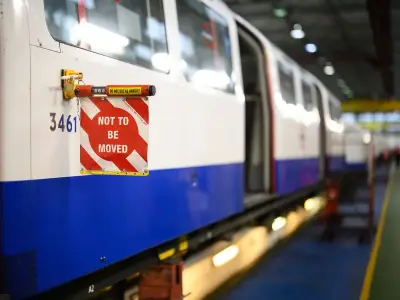
Labor will increase spending on heavy rail maintenance by $200 million in 2026-27, bringing total investment to $2.1 billion, following incidents that disrupted the rail network. The budget is also expected to include further spending on new carriages, framed as both a rail upgrade and a local industry plan.
For national parks, $130 million will be allocated for new walking tracks, picnic areas, and visitor centres, including projects to establish the Great Koala National Park and improve safety for growing visitor numbers.
Economic Context and Fiscal Challenges
The NSW economy is forecast to grow by just 1%, driven mainly by renewable energy investment. Stamp duty revenue is expected to fall due to a property market slowdown after three interest rate hikes and federal changes to capital gains tax and negative gearing. This has led to a $5 billion downgrade in revenue over forward estimates, Mookhey noted.
Interest rates on public debt accumulated during COVID-19 have risen from about 1% to 5.5%. NSW’s half-yearly economic statement put gross debt at $177.2 billion, which is $11 billion below the forecast when Labor took office in 2023.
Political Landscape and Election Strategy
The budget will help Labor define its election fight against the Liberal-National Coalition and One Nation. A Sydney Morning Herald Resolve poll in May showed Labor’s primary vote at 32%, with the Coalition at 26%, One Nation at 22%, and the Greens at 10%. Premier Chris Minns holds a commanding 38-18 lead over Kellie Sloane as preferred premier.
Mookhey criticized Coalition promises of new metro lines and infrastructure, saying they would be funded by further privatisation of state assets. He also acknowledged the rise of One Nation, which portrays itself as a friend of “battlers.” “We do recognise there is a sea change that’s happening in Australian politics,” Mookhey said. “But be it the Liberal party, the National party, the Greens or One Nation … the argument we will be making at the next election is that we are the only team that has a real plan to help working families in NSW.”
Additional pressure on the budget comes from federal Labor’s reforms to the National Disability Insurance Scheme (NDIS), which will require states to provide services for over 200,000 participants expected to leave the scheme.