A South London MP has identified two crucial road routes that he believes would benefit significantly from Bakerloop-style express bus services, aiming to enhance connectivity for residents in one of London's most transport-deprived boroughs.
Addressing Sutton's Transport Challenges
Sutton currently suffers from some of the lowest levels of Transport for London provision across the capital, with the area heavily reliant on a bus network that many locals describe as both slow and infrequent. The borough's transport woes have been exacerbated by recent concerns over the future of several bus routes, following operator Go-Ahead's announcement that it plans to re-tender services due to escalating operational costs.
MP's Vision for Radial Express Routes
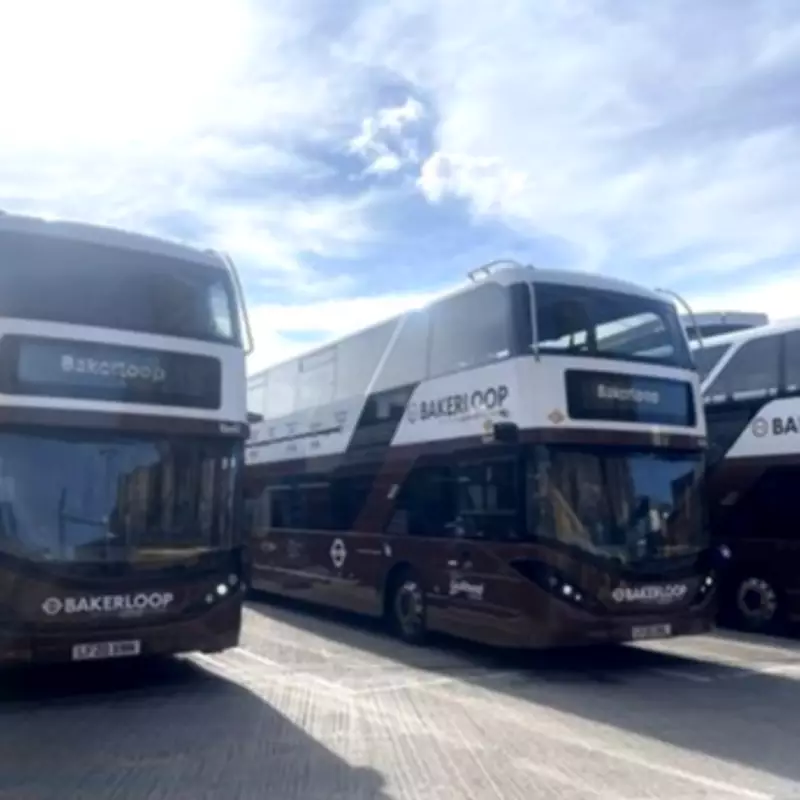
Luke Taylor, the Liberal Democrat MP for Sutton and Cheam, has championed the introduction of radial Bakerloop-style services to bridge the connectivity gap. The existing Bakerloop express route, launched in September last year, successfully links Waterloo and Lewisham stations seven days a week, offering South East London residents a temporary solution while they await the long-anticipated Bakerloo line extension.
Speaking to the Local Democracy Reporting Service, Mr Taylor emphasised his interest in replicating this model. "What I am really interested in is the Bakerloop. While the Superloop is the arterial route, what we want to see is the radial routes," he stated.
He specifically pinpointed two key corridors:
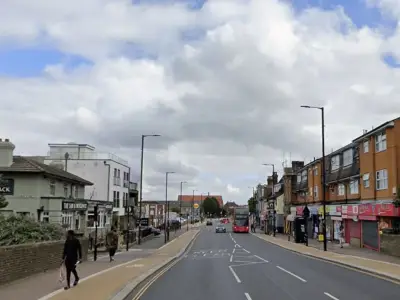
- The A217 between North Cheam and Morden
- Rose Hill between Sutton and St Helier
Mr Taylor argued that these routes represent ideal candidates for express bus services, describing them as "quick and inexpensive solutions" to provide the necessary capacity for linking Sutton to the Underground network.
Current Express Service and Funding Concerns
Presently, Sutton's only express bus service is the SL7 Superloop route, which runs between Croydon and Heathrow via Carshalton, Sutton and Cheam. While demand for faster transport options remains strong, recent efforts have predominantly focused on preserving smaller local services that residents depend upon for daily travel.
The situation became particularly tense last month when South London residents expressed alarm over reports suggesting several Go-Ahead routes were facing withdrawal. The routes in question included:
- 80
- 93
- 151
- 154
- 155
- 163
- 164
- 470
Although TfL and Go-Ahead later clarified that these routes were not at risk of being cut but were instead being re-tendered due to rising costs, concerns persist. A Go-Ahead spokesperson explained that external cost increases had rendered a handful of routes "commercially unviable under the current terms."
Mr Taylor recently met with Andy Edwards, Managing Director of Go-Ahead London, to discuss the situation. While acknowledging that re-tendering represents a normal contractual process when operators face increased costs, the MP voiced serious concerns about TfL's ability to fund the re-tendered routes at approximately 20% higher costs.
"The challenge is whether TfL can put up that extra cash. If they don't, we could see cuts to frequencies and routes in Sutton," he warned, adding that "TfL is struggling financially, we have seen bus cuts elsewhere, and the real risk is further reductions to services that are already not good enough."
Alternative Transport Proposals
While Mr Taylor views buses as the primary solution for improving Sutton's transport connectivity, there have been longstanding discussions about alternative infrastructure projects. These include:
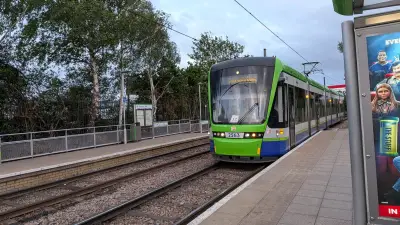
Tramlink Extension: Since 2014, Sutton and Merton councils have advocated for a Tramlink extension from the existing Morden Road tram stop, via Morden Hall Road and St Helier Avenue, up to Rose Hill and onward to Sutton town centre. However, Mr Taylor remains sceptical, noting that "there is no business case for it" and estimating costs that could now reach billions of pounds.
Overground Extension: The possibility of extending the Overground to Sutton station from its current terminus at West Croydon has also been discussed. Mr Taylor expressed reservations about this approach, suggesting that Sutton should prioritise fast commuter routes rather than potentially slower, albeit more frequent, metro services.
Political Perspectives and TfL's Response
The transport debate has revealed differing political perspectives within Sutton. Christopher Woolmer, Chair of Sutton's Environment and Sustainable Transport Committee, attributed the re-tendering decision to the national insurance "hike" introduced by the Labour government, while asserting that "there is no threat to these buses being cut."
This claim prompted a cautious response from Conservative councillor and London Assembly Member Neil Garratt, who simply stated: "We will see."
A TfL spokesperson provided reassurance about the network's future, stating: "As is always the case when a bus operator opts to end their contract early, we will carry out an open tender to ensure that the routes can continue to serve our customers."
The spokesperson highlighted TfL's ongoing efforts to improve bus services across London, including:
- Developing new software to respond more quickly to road incidents
- Conducting London-wide traffic signal timing reviews
- Introducing new bus routes such as the SL11
- Greening the bus fleet
- Launching new Superloop services
- Boosting services in outer London
- Investing in bus priority measures and better real-time information
As Sutton continues to grapple with its transport challenges, the call for Bakerloop-style express services represents a pragmatic approach to improving connectivity while larger infrastructure projects remain financially prohibitive. The coming months will prove crucial in determining whether TfL can secure the necessary funding to maintain and enhance Sutton's bus network amidst ongoing financial pressures.