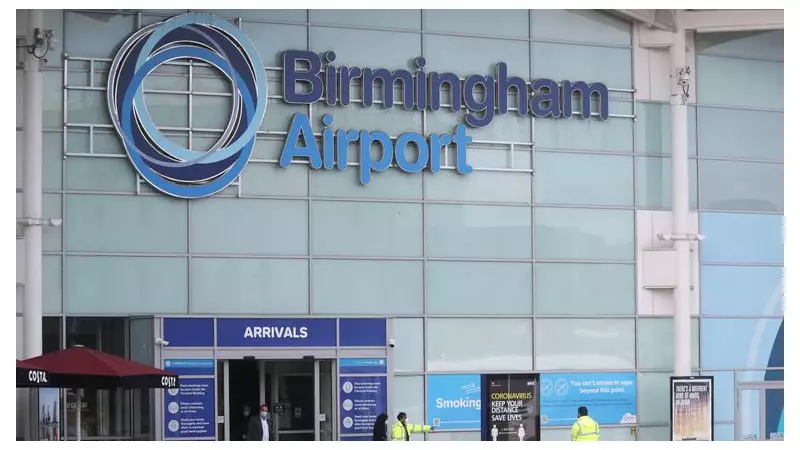
A severe technical failure at a critical air traffic control radar site plunged Birmingham Airport into chaos overnight, grounding arrivals and disrupting hundreds of passengers' travel plans.
Power Cut Triggers Airport Chaos
The disruption began after a power outage, attributed to bad weather, struck a National Air Traffic Service's (NATS) radar installation. This site is crucial for managing aircraft approaching Birmingham Airport. The failure meant that from late on Sunday 11 January 2026 into the early hours of Monday 12 January, only departing flights could operate safely.
Engineers from NATS worked urgently with National Grid to restore the system. National Grid confirmed it was responding "to a power cut in Shropshire". The vital radar service was finally restored shortly before 1.30am on Monday.
Flights Diverted and Passengers Stranded
The consequences for travellers were immediate and severe. Over 20 flights bound for Birmingham were affected, with many cancelled outright or diverted to other airports.
East Midlands Airport and Liverpool's John Lennon Airport received multiple diversions. In one particularly frustrating case, a KLM flight from Amsterdam was airborne for nearly an hour before being forced to turn back and return to its origin airport. Several easyJet services were among those cancelled or rerouted, with some passengers facing delays exceeding four hours.
Both NATS and Birmingham Airport issued apologies for the widespread disruption caused to passengers.
A History of Air Traffic Control Problems
This incident is not an isolated one for UK aviation infrastructure. Last March, a major power cut at Heathrow Airport caused travel chaos for over 270,000 passengers, leading to around 1,300 flight cancellations due to a "catastrophic failure" of substation equipment.
NATS itself faced significant criticism from airlines last year when an air traffic control system failure resulted in the cancellation of more than 1,000 departing flights from UK airports. The chief executive, Martin Rolfe, explained that an initial probe found the system received flight data it "didn't understand" and "couldn't interpret".
The overnight events at Birmingham Airport underscore the ongoing vulnerability of the UK's air traffic network to technical and power-related issues, raising fresh questions about resilience and backup systems.