European Airports Warn of Impending Jet Fuel Crisis
European airports have issued a stark warning that jet fuel shortages could cripple the summer holiday season within the next three weeks, unless oil supplies resume flowing through the Strait of Hormuz. The Airports Council International (ACI) Europe has alerted EU transport commissioner Apostolos Tzitzikostas, stating that the bloc is on the brink of systemic shortages. This development raises serious concerns about potential flight cancellations and disrupted travel plans, as the conflict between the US, Israel, and Iran escalates.
Soaring Prices and Supply Disruptions
Jet fuel prices have skyrocketed since late February, following attacks on Iran ordered by US and Israeli leaders. According to Iata, an airline lobby group, global jet fuel prices more than doubled compared to last year, reaching $1,650 per tonne by the end of last week. In Europe, prices surged by 138%, while Asia experienced a staggering 163% year-on-year increase. The closure of the Strait of Hormuz by Iran, a critical shipping route for Gulf exports, has triggered a global scramble for fuel, exacerbating the crisis.
Brent crude oil prices remained elevated at around $96 per barrel on Friday, despite a recent ceasefire announcement by Donald Trump. This compares to pre-war levels of approximately $72 per barrel, highlighting the ongoing market volatility. The last cargo of European jet fuel to pass through the strait before the conflict is scheduled to arrive in Copenhagen, with previous deliveries including a partial shipment to Rotterdam.
Vulnerabilities and Economic Impact
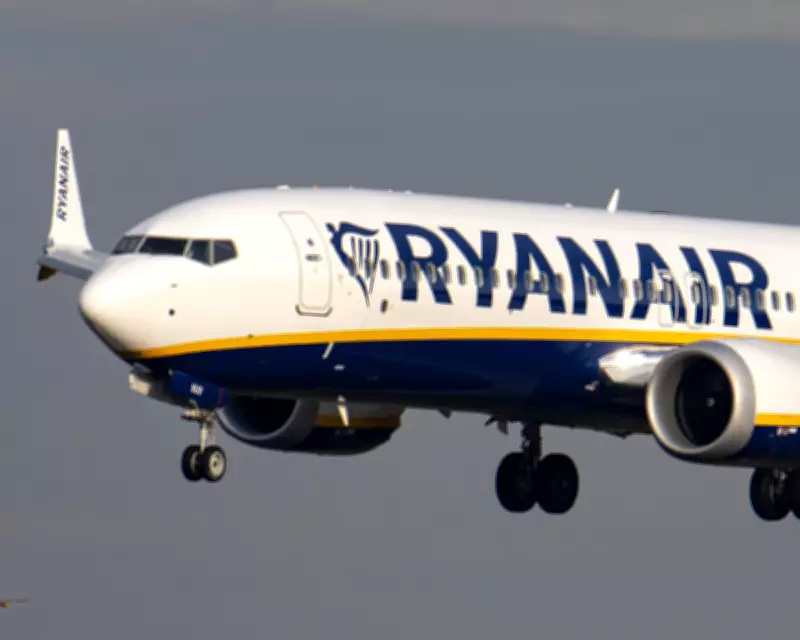
Europe relies heavily on Gulf refineries for over 60% of its jet fuel, with more than 40% shipped via the Strait of Hormuz. Iran's blockade has forced European buyers to compete with Asia for alternative sources, as final Gulf deliveries trickle in. Michael O'Leary, CEO of Ryanair, noted that the UK is particularly vulnerable due to its dependence on Kuwait, underscoring regional disparities in fuel security.
The global jet fuel market is uniquely exposed to Gulf disruptions, as there are fewer alternative export routes compared to crude oil. Australian investment bank Macquarie reports that while some crude exports can bypass the strait via pipelines, jet fuel lacks such options. Even if trade resumes, refined oil products may take two to three months longer than crude markets to normalize.
Broader Consequences for Travel and Economy
Airlines worldwide have already begun cutting flights and raising fares in response to higher fuel costs. These fare hikes are expected to contribute to inflation, but outright jet fuel shortages could cause more severe economic damage by forcing businesses and individuals to cancel travel or delay exports. ACI Europe emphasized the need for proactive EU monitoring and action, citing military activity's impact on demand and the critical role of air travel in supporting tourism-dependent economies during the peak summer season.
Willie Walsh, Iata's director general, warned that even with the strait open, it could take months to restore supply chains, given disruptions to Middle Eastern refining capacity. Before the crisis, Iata had forecasted 4.9% year-on-year growth in passenger traffic for 2026, but this outlook is now uncertain. The situation underscores the fragile interdependence of global energy markets and aviation, with potential ripple effects across multiple sectors.