EU's New Entry-Exit System Sparks Border Chaos, Strands British Travelers
British travelers are experiencing a nightmare scenario at European Union airports as new border regulations trigger massive delays, causing some passengers to miss flights and become stranded overseas. The European Entry/Exit System (EES), fully implemented on April 10, 2026, is at the heart of this disruption, requiring visitors from non-EU countries, including the United Kingdom, to undergo biometric and facial recognition checks.
Massive Queues and Missed Flights
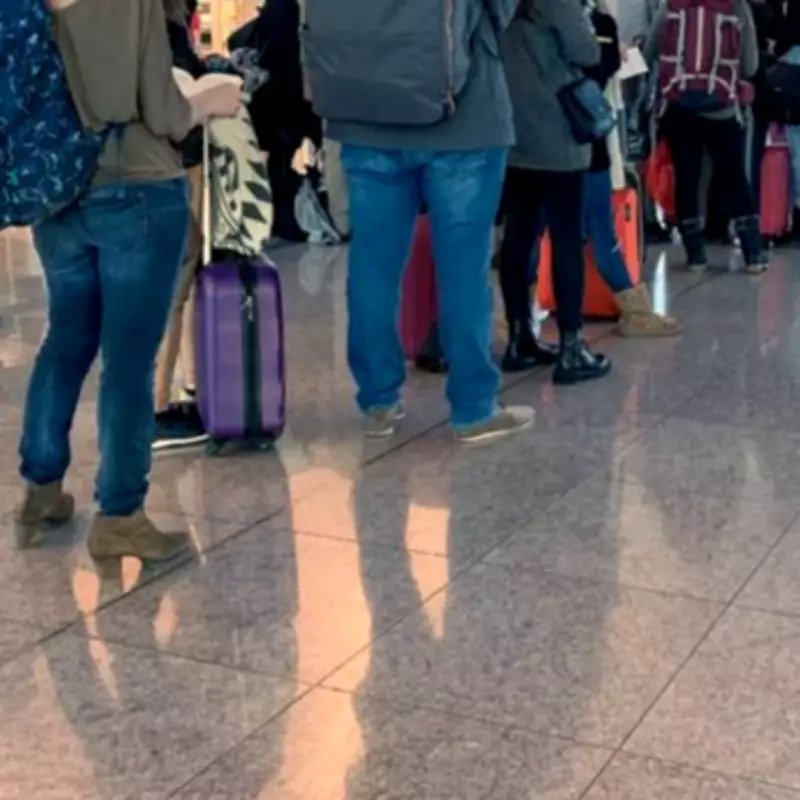
Around 100 EasyJet passengers were left behind when their flight from Milan's Linate airport to Manchester departed without them on Sunday, April 12. They were trapped in enormous queues caused by the EES rollout, with reports of people being sick and fainting in the sweltering conditions. Similar lengthy queues have been building up at major airports in cities like Paris, Lisbon, and Brussels, creating a stressful environment for travelers.
Carol Boon, a 59-year-old British traveler, described the situation as "very stressful" with "people arguing, someone fainted, someone was sick." Another passenger, Max Hume from Leeds, had to pay an eye-watering £1,800 to get home via Luxembourg after missing his flight. A 17-year-old student from Oldham reported waiting 20 hours at the airport with her boyfriend before securing a flight the next day, despite arriving hours early.
What Is the Entry-Exit System?
The EU's Entry-Exit System, which began on October 12, 2025, and was fully implemented on April 10, 2026, is a new digital border system for visitors from non-EU countries entering the Schengen zone. This zone includes most EU nations and a few other territories, such as Austria, Belgium, France, Germany, Italy, Spain, and Switzerland. The system replaces the old method of officials physically stamping passports upon arrival.
For British holidaymakers, the process involves setting up a digital profile at the port or airport during their first visit to a Schengen zone country under the new system. This registration is free and does not require pre-travel paperwork, but it may involve having a photo taken at a kiosk and providing fingerprints. Once established, an EES profile lasts for three years, though the government acknowledges it could take "each passenger a few extra minutes to complete."
Additional Travel Hurdles Ahead
Later in 2026, British citizens will also need to navigate the new visa-waiver programme, the European Travel Information and Authorisation System (ETIAS). Unlike the EES, ETIAS will require Britons to apply for a visa-exemption costing €20 (approximately £17.42), which will be valid for three years. This adds another layer of complexity for travelers planning trips to the EU.
It is important to note that the Republic of Ireland and Cyprus are not part of the Schengen area, so the EES does not apply when traveling to these countries.
Airline and Industry Responses
EasyJet stated that the delays were "outside of our control" and mentioned they held the flight for almost an hour. They described the delays as "unacceptable" and urged border authorities to utilize flexibilities to prevent impacts on travel plans. The airline offers free flight transfers for customers who miss flights due to EES delays, but those booking with other airlines are advised to contact their travel insurance.
Jet2 has issued warnings to travelers at Faro Airport in Portugal due to reports of "congestion" throughout the terminal. An airport spokesperson emphasized that "the queues are completely out of our control" and recommended arriving early. The Association of British Travel Agents (ABTA) advises passengers to go straight to passport control after check-in and security to complete EES checks early, and to follow transport providers' advice on arrival times, with a minimum of two hours before flights from Europe.
As the EU's new border system continues to cause chaos, British travelers are urged to plan ahead and allow extra time to navigate these increased security measures, ensuring a smoother journey amidst the ongoing disruptions.