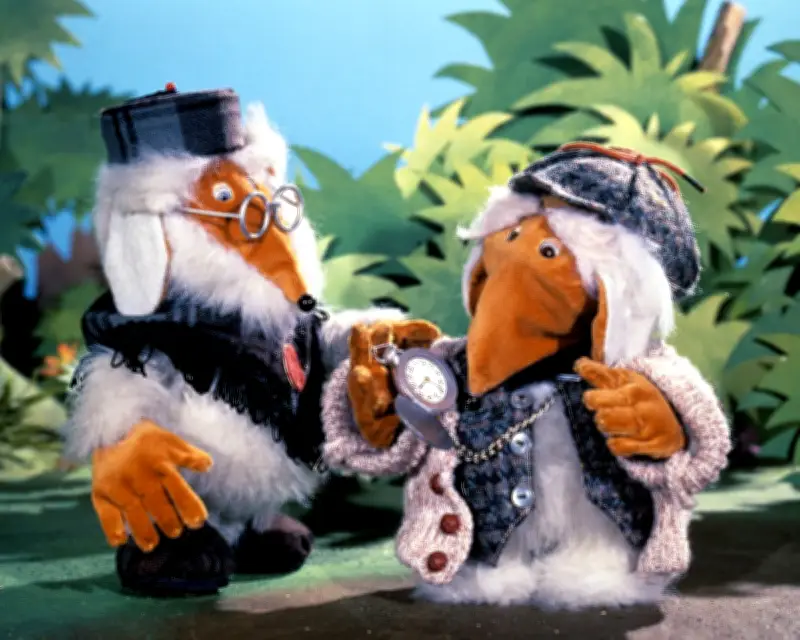
The Wombles, the beloved litter-collecting characters from the 1970s, are staging another comeback. A new production company plans to turn them into a "multi-platform international franchise," starting with a YouTube channel this summer that will feature old episodes and new shorts. The last time the Wombles were regularly on British screens was a brief revival in the mid-90s, though they have appeared in charity campaigns since.
Historical Context and Cultural Phenomenon
At the height of Womble-mania in the mid-1970s, creator Elisabeth Beresford imposed strict rules for costumed performers: no smoking, no drinking, and absolutely no removing the head in public. The latter was a real problem; in 1974, a Liverpool cabaret club sacked the entire cast after a disastrous panto featuring inaudible singing, under-rehearsed dances, and a cast member removing their head in full view of children. In Belfast, another performance was cut short after booing and furious mothers stormed the stage with handbags and umbrellas.
The Wombles were a genuine phenomenon: their adventures on Wimbledon Common were chronicled in books, a stop-motion TV show narrated by Bernard Cribbins, and merchandise from flannels to hot-water bottles. They also charted eight hit singles in 1974 and 1975, led by Mike Batt, who always kept his Womble head firmly on.
Challenges for a Modern Reboot
The Wombles originally arrived at a perfect moment in the early 70s, as environmentalism gained traction. Litter was a growing problem, and the Dangerous Litter Act 1971 set a £100 fine for dropping rubbish. The Wombles' call to "make good use of bad rubbish" inspired children nationwide to pick litter. Today, environmental issues are contested terrain, subsumed into culture wars. The Wombles could face accusations of being "woke" or propaganda for Ulez, and the entertainment landscape is far more fragmented than in the 70s.
An earlier reboot attempt in 2016, a CGI series featuring Ray Winstone, was cancelled before airing. The new project aims to reach audiences under 25 who may be unfamiliar with the characters.
Glimmer of Hope from Paddington
Despite scepticism, there is precedent for reviving classic British characters. Paddington, even older in book form, became a planet-conquering franchise with a pro-immigration message that could have been a tough sell. The Wombles, with their gentle environmental message, might similarly resonate if handled carefully. As the article notes, "provided everyone keeps calm and doesn't lose their heads," there is hope for the rubbish-amassing friends.