Church of England Set to Formally Apologize for Forced Adoption Role in Mother and Baby Home Scandal
The Church of England is poised to make a historic formal apology for its significant role in the forced adoption practices and the broader mother and baby home scandal that affected the United Kingdom for decades. Survivors of this distressing chapter in British history have warmly welcomed this anticipated move, following years of relentless campaigning for official recognition and accountability.
Decades of Suffering and Systemic Failures
During the postwar era, the church operated and was associated with numerous institutions across the country where unmarried pregnant women were discreetly sent to give birth. These infants were subsequently handed over to married couples, often after donations were made to so-called "moral welfare" organizations involved in the process. Anglican mother and baby homes formed part of an extensive network that included facilities run by the Catholic church and the Salvation Army, all collaborating with statutory agencies.
Women and children endured widespread abuse and neglect within this system, yet the Westminster government has never issued a formal apology for its involvement. A parliamentary inquiry in 2021 revealed staggering numbers, with 185,000 adoptions involving unmarried mothers in England and Wales between 1949 and 1973 alone. The inquiry concluded that the state bore ultimate responsibility for the suffering inflicted by public institutions and their employees.
Survivor Voices and Campaigner Reactions
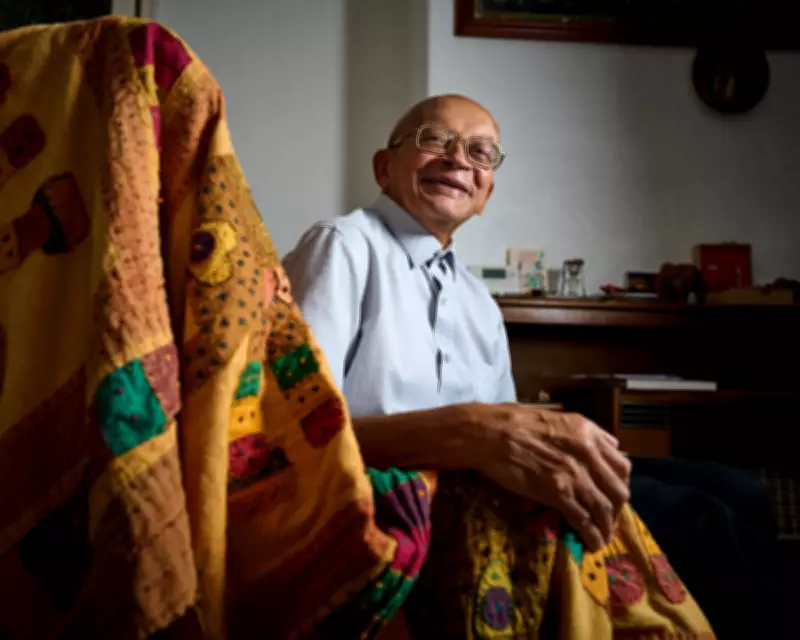
Phil Frampton, a writer and campaigner from Manchester, represents one of the many individuals impacted by this scandal. Born in an Anglican institution in 1953 due to his parents' mixed heritage relationship, Frampton's Nigerian father was deported after the relationship became known, while his white British mother was sent to the Rosemundy mother and baby home in St Agnes, Cornwall.
Frampton expressed cautious optimism, stating, "A lot of survivors will be delighted. What's coming is a big victory after all the campaigning people have done over the last 20 years – providing that the wording is not mealy-mouthed and designed to protect the church." He emphasized that it would be insufficient for the church to claim it was guided by the morality of the time, arguing, "they were supposed to set the morality of the time and they did that by their actions."
Frampton further called for compensation for all survivors, asserting that the church and state were the principal supporters of forced adoptions. He highlighted that a sincere apology from the church could increase pressure on the UK government to follow suit, noting that the UK lags behind other nations in apologizing and providing access to records for survivors seeking closure.
Research Findings and Broader Context
Academic research and investigations have uncovered additional harrowing aspects of the scandal. Dr. Michael Lambert of Lancaster University has indicated the use of the lactation-suppressing drug diethylstilbestrol in some unmarried mothers' homes, a drug linked to an increased risk of cancers. Meanwhile, an ITV investigation has revealed unmarked graves across England containing the bodies of babies who did not survive.
The Church of England's expected apology follows similar actions by other entities. The governments of Ireland, Scotland, and Wales have all issued apologies, as have the Salvation Army and the head of the Catholic church in England and Wales. In the UK, children and families minister Josh MacAlister recently acknowledged to the education select committee that the state "had a role" in historical forced adoptions and confirmed that the case for a formal apology is "being actively considered."
As the last mother and baby homes closed in the late 1980s and records remain incomplete, campaigners estimate that many more individuals were affected than officially documented. The Church of England's draft apology, as reported by the BBC, states: "We acknowledge the lifelong impact of these experiences and the part the church played in a system shaped by attitudes and behaviours that we now recognise as harmful. For the pain and trauma experienced – and still carried – by many women and children in church-affiliated mother and baby homes, we are deeply sorry."
This anticipated apology marks a critical step toward acknowledging the profound injustices of the past and offering a measure of solace to those whose lives were irrevocably altered by these practices.