Revisiting My University: A New Era for Women's Sports
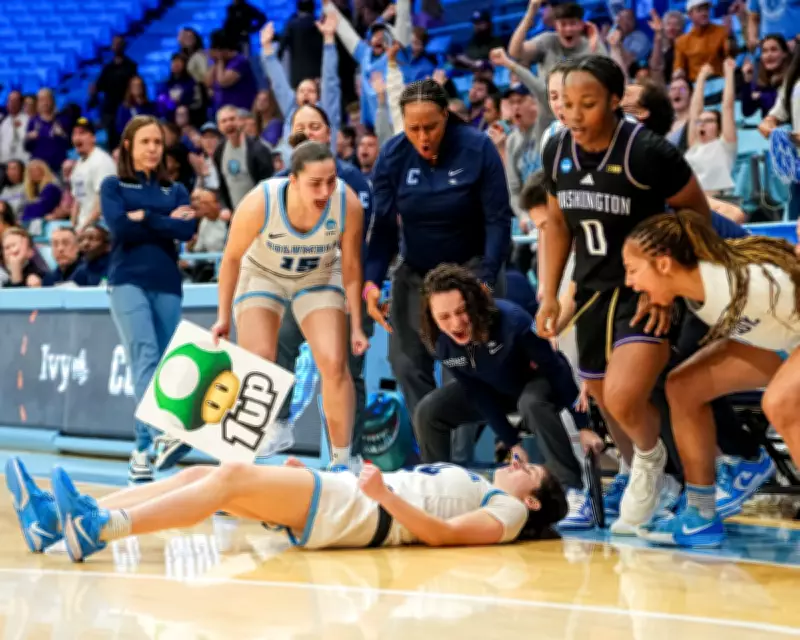
Returning to my alma mater after several years away, I was struck by the profound changes in the landscape of women's sports. What was once a peripheral aspect of campus life has now blossomed into a central and vibrant component of the university's athletic culture. This transformation reflects broader societal shifts toward gender equality and increased investment in female athletes.
Increased Funding and Resources
One of the most noticeable differences was the substantial increase in funding dedicated to women's sports programs. The university has allocated more resources to facilities, coaching staff, and equipment, ensuring that female athletes have access to the same high-quality support as their male counterparts. This financial commitment has enabled the development of competitive teams across a wide range of sports, from basketball and soccer to rowing and tennis.
New state-of-the-art training centers and upgraded playing fields now cater specifically to women's teams, a stark contrast to the shared and often inadequate facilities of the past. This investment not only enhances performance but also sends a powerful message about the value placed on women's contributions to sports.

Greater Visibility and Media Coverage
The visibility of women's sports has skyrocketed, with games and events receiving prominent coverage on campus media and local news outlets. Social media platforms are abuzz with highlights and updates, engaging a wider audience and fostering a sense of community around female athletes. This increased exposure helps to challenge stereotypes and inspire the next generation of young women to pursue their athletic dreams.
Moreover, the university has implemented initiatives to promote women's sports, such as dedicated marketing campaigns and partnerships with sponsors. These efforts have led to higher attendance at games and greater recognition for the achievements of female athletes, both on and off the field.
Rising Participation and Diversity
Participation rates in women's sports have surged, with more students than ever joining teams and recreational leagues. This growth is accompanied by a greater diversity of sports offered, including traditionally male-dominated disciplines like rugby and martial arts. The inclusive environment encourages women of all backgrounds to get involved, promoting physical health, teamwork, and leadership skills.
Additionally, the university has established mentorship programs connecting current female athletes with alumni, providing guidance and support for their careers. This network helps to sustain the momentum of progress and ensures that the gains made in women's sports are maintained and built upon in the future.
Challenges and Future Prospects
Despite these advancements, challenges remain, such as ongoing disparities in pay and media representation compared to men's sports. However, the positive changes observed at my alma mater offer hope for continued improvement. With sustained advocacy and investment, women's sports are poised to achieve even greater heights, reshaping the athletic landscape for years to come.
In conclusion, my visit revealed a dynamic and evolving scene where women's sports are no longer an afterthought but a cornerstone of university life. This progress is a testament to the hard work of athletes, coaches, and supporters who have championed equality and excellence in sports.