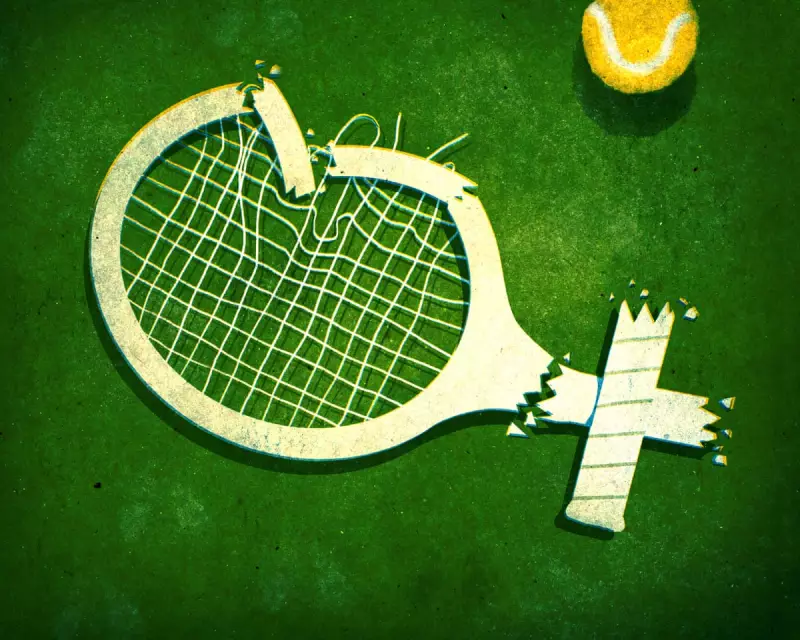
A bold proposal from world number two tennis star Aryna Sabalenka for a modern 'Battle of the Sexes' match has been met with sharp criticism, labelled a cynical bid for attention and a potential own goal for the athlete herself.
A Modern Gimmick or a Step Backwards?
Sabalenka, the reigning Australian Open champion, recently suggested she would be open to facing a male player ranked around 200th in the world, reigniting a decades-old debate. The original 1973 exhibition between Billie Jean King and Bobby Riggs was a landmark cultural moment for gender equality. However, experts and commentators argue that reviving the concept today misunderstands the progress made in women's sport.
Prominent figures in tennis journalism have been quick to condemn the idea. Mike Dickson, a respected tennis correspondent, described the notion as "a cynical, publicity-driven own goal." The core criticism centres on the fact that such a spectacle would inevitably highlight physiological differences in power and speed, rather than showcasing the unique skill, athleticism, and commercial strength of the modern women's game.

Undermining a Thriving Women's Tour
The criticism highlights a fundamental tension. The Women's Tennis Association (WTA) tour is currently enjoying a period of immense popularity and competitive depth, with global stars like Sabalenka, Iga Świątek, and Coco Gauff leading the charge. Organising a novelty match against a lower-ranked male player is seen as a distraction that could inadvertently validate outdated comparisons.
Rather than proving women's worth against men, the argument goes, the focus should remain on celebrating the WTA's standalone success. The tour sells out major arenas, generates huge television audiences, and commands significant sponsorship. A 'Battle of the Sexes' redux, many contend, risks reducing elite female athletes to a sideshow defined by a physical mismatch.
The Legacy of King vs. Riggs
The 1973 match existed in a completely different social context. Billie Jean King's victory was a powerful symbolic strike against pervasive sexism, proving women could thrive under pressure and attract a mass audience. That battle for credibility and respect has largely been won on the tennis court. Today's challenges for women's sport often revolve around equal pay, media coverage, and investment, not proving they can compete with men in a direct physical contest.
Consequently, Sabalenka's flirtation with the idea is viewed by many as a regressive stunt. It borrows the format of a historic fight for equality but applies it to an era where that specific fight has evolved. The fear is that it would generate headlines for all the wrong reasons, focusing on brute strength rather than the technical excellence and compelling narratives that define today's WTA.
In essence, the backlash suggests that for a top athlete like Sabalenka, the real victory lies not in hypothetical cross-gender matches, but in continuing to elevate the prestigious platform she already dominates. The consensus among critics is clear: this particular battle is one the sport does not need to refight.