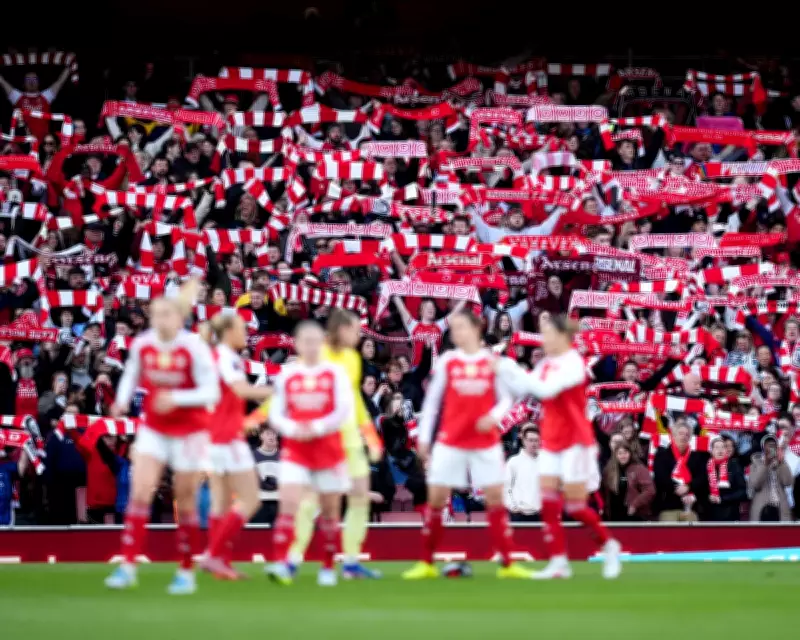
WSL's Momentum Stalls as Extended International Break Leaves Fixture Void
Spring typically serves as an ideal period for drawing in supporters, with improving weather and the season reaching its climax. However, the Women's Super League (WSL) and other European domestic women's football leagues have hit a significant roadblock. An extended international break has created a nearly four-week gap without fixtures, disrupting momentum at a critical juncture.
Impact of the International Window
The primary issue stems from an 11-day window for up to three international matches, replacing the traditional eight-day window for two games. While many countries, such as the USA, Brazil, and Pakistan, are utilizing this for three friendlies, European national teams, including England, have opted for only two matches. England, for example, will host Spain on April 14th and play in Iceland on April 18th, but skipped an additional friendly in early April.
Sarina Wiegman, England's head coach, explained the decision, stating, "My opinion, and the FA opinion, is that, at this moment, we think it's best to play two, because with the congested agenda and the amount of games the players play, we didn't want to use the third one." This disconnect between global and European schedules has left domestic leagues with wasted weekends, unable to capitalize on growing fan interest.
Missed Opportunities for Fan Engagement
This fixture void represents a missed chance to attract and retain fans during the season's run-in. For instance, Everton drew 5,292 spectators to a Merseyside derby before facing a month-long hiatus. Leicester, struggling at the bottom of the WSL, will not play at home between March 29th and May 3rd, hindering efforts to rally support.
In the second tier, bottom-placed Portsmouth have the longest gap between games, from March 28th to April 26th, leaving them with only two matches to avoid relegation. Sunderland, which recently attracted 10,156 fans and secured American investment, must wait until April 26th for their next home game. The promotion race, with Birmingham and Charlton separated by goal difference, also sees most of April off, dampening excitement.
Mixed Reactions and Logistical Challenges
Not all view the break negatively. Karen Hills, head coach of Charlton, noted, "There will be a reset moment for those players, just mentally, because we've had a tough block. This league is unforgiving, so it's a moment for us to mentally switch off." Similarly, Liverpool manager Gareth Taylor welcomed the breather, emphasizing the importance of life beyond football.
However, logistical frustrations persist. Aston Villa fans, for example, do not know when their next match will be, as a home game against Arsenal is scheduled for April 26th but may move due to Arsenal's Women's Champions League semi-final involvement. Such uncertainties make it challenging to build a consistent match-going culture.
Future Implications and Concerns
This issue is not a one-off. Three-game international windows are scheduled for February, April, and November-December over the next three seasons, indicating a recurring problem. While rest and recovery are crucial, better utilization of weekends could allow for an earlier season conclusion and longer off-season breaks.
For a sport actively working to grow its fan base, these gaps disrupt rhythm and hinder the development of routine attendance. As women's football strives to expand, addressing these scheduling conflicts will be essential to maintaining momentum and fostering sustainable growth.