The path to the 2026 FIFA World Cup was finally mapped out in Zurich, but the journey to the draw itself proved to be a bizarre and dramatic spectacle. Germany's head coach, Thomas Tuchel, found his famed composure tested not by tactical dilemmas, but by a ceremony marred by technical glitches, awkward presentations, and what many observers labelled outright 'cringe'.
A Draw Descending into Farce
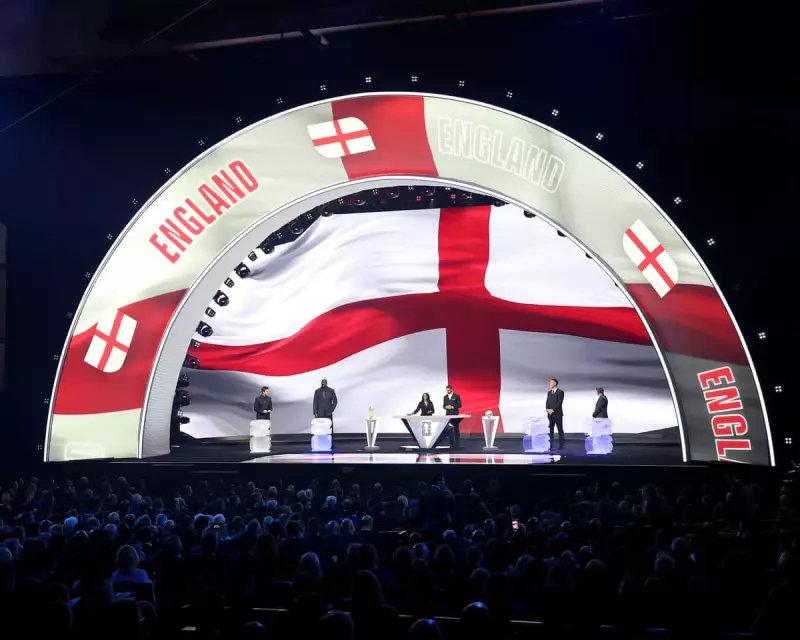
The event, held at the Messe Zurich convention centre, was intended to be a sleek showcase ahead of the expanded 48-team tournament in the USA, Canada, and Mexico. Instead, it quickly became defined by its mishaps. The central digital draw board, a crucial visual aid for millions of viewers, malfunctioned repeatedly. Teams and nations disappeared from the screen or failed to appear at all, leaving coaches, delegates, and fans at home squinting at physical balls in glass bowls to decipher the results.
Beyond the technical failures, the ceremony's artistic interludes drew widespread bewilderment. A performance involving actors in what appeared to be giant, inflatable costumes was a particular low point, generating a wave of criticism on social media for its perceived lack of relevance and professionalism. The overall production felt disjointed, pulling focus from the footballing destinies being decided.
Tuchel's Icy Demeanour Amidst the Chaos
Throughout the ordeal, the camera repeatedly cut to Thomas Tuchel in the audience. The German manager, known for his intense and analytical sideline presence, sat with a studied, impassive expression. He was seen briefly closing his eyes and taking a deep breath during one particularly convoluted explanation of the draw procedure, a moment that spoke volumes. His demeanour contrasted sharply with the flustered atmosphere, projecting an aura of detached patience while waiting for the football to cut through the noise.
When the draw was finally completed, Germany learned its fate. Die Mannschaft was placed in Group F, where they will face the Czech Republic, the winner of a yet-to-be-played Asian playoff, and the triumphant team from the intercontinental playoff between a CONCACAF nation and an Asian side. On paper, it appears a favourable grouping for the four-time world champions, but the unusual structure of the new tournament format means nothing can be taken for granted.
The Fallout and Looking Ahead to 2026
The immediate aftermath of the draw has been dominated by criticism of FIFA's staging of the event. Pundits and fans alike have questioned the allocation of resources, suggesting the spectacle overshadowed the sport. For the managers present, like Tuchel, the key takeaway was the fixture list itself, a document they can now begin to plan around.
For Germany, the focus instantly shifts from the chaotic theatre in Zurich to the pragmatic task of preparation. The draw has presented a clear initial route, but the expanded format, with its 12 groups of four and a new round of 32 knockout stage, introduces unprecedented strategic challenges. Tuchel's calm under the strange pressures of the draw will now need to translate into meticulous planning for a tournament that promises to be as logistically complex as it is competitively fierce.
The 2026 World Cup draw will be remembered not for dramatic football pairings, but for its unexpected descent into confusion. In the centre of it all, Thomas Tuchel's icy cool provided a stark counterpoint to the surrounding disarray, offering a preview of the steady hand he hopes to guide Germany with when the real action begins in two years' time.