
Super League Celebrates 30 Years with Dramatic Media Transformation
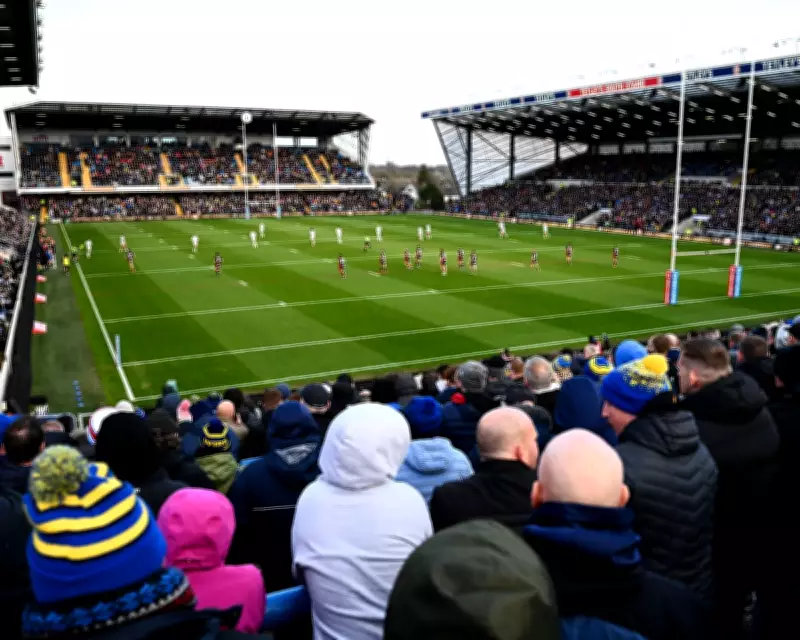
Leeds Rhinos fans celebrated Super League's 30th birthday in spectacular fashion on Sunday, witnessing their team secure a thrilling 26-22 victory over Warrington Wolves at Headingley Stadium. This anniversary match served as a poignant reminder of how far the competition has come since its revolutionary launch in 1996, particularly in how fans consume the sport through evolving media channels.
From Limited Broadcasts to Digital Dominance
When Super League debuted three decades ago, only three of the opening round matches received television coverage, despite Sky Sports having invested £87 million in the new competition. Fast forward to the 30th anniversary weekend, and all seven Super League games were broadcast live, demonstrating the dramatic expansion of coverage. Today's fans primarily access content through mobile devices rather than relying on hourly radio bulletins that characterized early coverage.
The media landscape has undergone seismic shifts. In 1996, national newspapers maintained full-time rugby league correspondents who produced daily stories and comprehensive match reports. Today, most national publications have significantly reduced their rugby league coverage, with some struggling to even print results. The press boxes that once buzzed with activity now host fewer journalists, many of whom work part-time while maintaining other employment.
Broadcasting Revolution and Changing Economics
Fans from 1996 would be astonished by contemporary broadcasting arrangements. While they would appreciate watching matches live on BBC2 during Saturday tea time, they might be bewildered to learn that Sky Sports now pays just £21.5 million annually to broadcast every game, compared to £17.3 million for two weekly games in 1996. The BBC's current arrangement involves no additional rights payment, reflecting changing economic realities in sports broadcasting.
Radio coverage has expanded dramatically over three decades. Today, supporters can listen to nearly every Super League game live through various platforms including BBC local stations, 5 Live Sports Extra, and TalkSport. At recent matches like Wakefield versus Leigh, commentary teams from three BBC stations constituted half the press attendance, highlighting radio's continued importance.
The Digital Shift and New Media Landscape
The written press has transformed into what veteran journalist Andy Wilson describes as "a young man's game." Most full-time reporters now work for dedicated rugby league websites rather than national newspapers. Organizations like Serious About Rugby League (a sister product of the Yorkshire Post), Reach's All Out Rugby League, and Love Rugby League produce extensive social media content alongside traditional reporting.
Wilson, who served as the Guardian's rugby league correspondent for 17 years before becoming the Rugby Football League's head of media, observes: "There are three significant media organizations now investing in rugby league because it's justified by the traffic. So there's still considerable interest out there, but by definition rugby league websites are inside the bubble."
Technological Challenges and Triumphs
Early journalists faced substantial technological hurdles. Veteran reporter Paul Fitzpatrick recalls the challenges of dictating match reports against tight deadlines to copytakers over poor connections. Andy Wilson remembers the logistical nightmares of limited phone sockets in press boxes and the frantic race to file stories before print deadlines.
"We used to have daily conversations with sports desks in London about stories," Wilson explains. "We did have laptops but there were never enough phone sockets in press boxes to plug in and dial up from. You might manage to email your first 250 words but would then have to phone in the rest on the hooter." This led to dramatic conclusions, particularly during night games like the legendary Wide to West try that decided the 2000 playoff between St Helens and Bradford.
Accessibility and Cultural Shifts
One constant throughout Super League's history has been the sport's remarkable accessibility. The vast majority of interview requests continue to be granted, with most rugby league personalities genuinely pleased to engage with media. This openness contrasts sharply with other sports and has been a defining characteristic of rugby league coverage.
Fitzpatrick, who covered the sport for nearly two decades, reflects: "The accessibility of rugby league was a pleasurable and surprising contrast to the humiliations of covering football. It was all worth it, though." Veteran broadcaster Jack Dearden echoes this sentiment, stating: "It's been a great privilege and pleasure to be a part of it."
As Super League enters its fourth decade, the media landscape continues to evolve. While traditional newspaper coverage has diminished, digital platforms have created new opportunities for engagement. The sport maintains its core values of accessibility and community even as consumption patterns shift toward mobile and social media platforms, ensuring that rugby league's story continues to be told to both dedicated fans and new audiences alike.