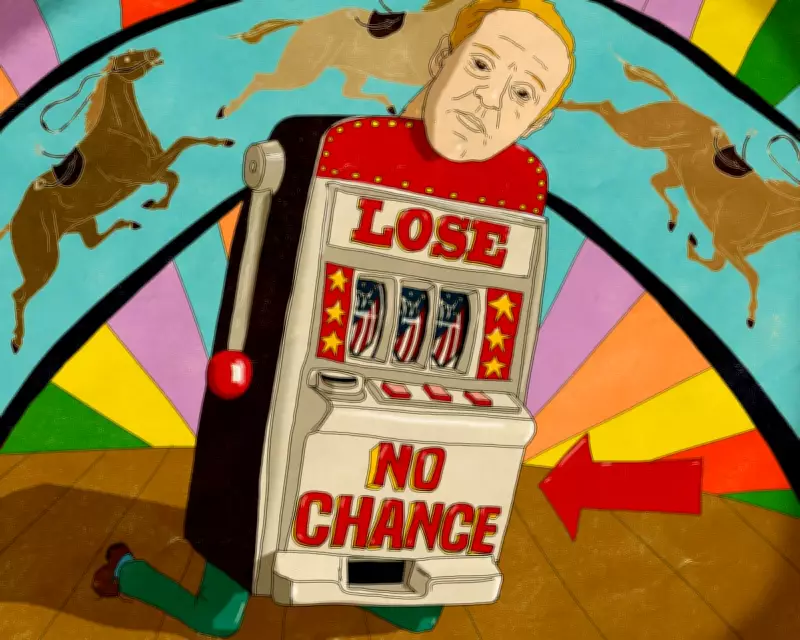
The Illusion of Easy Money in Sports Betting
Gambling appears deceptively simple on the surface, but the reality is far more complex and disturbing. Many believe betting on sports is straightforward, yet the entire industry is meticulously designed to unsettle and addict participants. This harsh truth became painfully clear during a personal experiment to transform a modest £10 stake into £1,000 through calculated sports wagers.
Premier League's Sponsorship Dilemma
The current controversy surrounding Premier League clubs highlights gambling's deep entanglement with professional sports. Nine top-flight English football teams are struggling to secure shirt-front sponsorship deals comparable to those previously offered by betting companies. This follows a voluntary agreement banning gambling advertisements from team jerseys starting next season.
Club executives have voiced concerns about financial losses, though their complaints ring hollow considering the industry's massive revenues. The world champions recently reported losses of £335 million, making worries about missing £4 million sponsorship deals seem particularly tone-deaf. This situation represents a rare instance of sensible self-regulation in an industry that typically prioritizes profit over public welfare.
The Betting Experiment Begins
The gambling journey started with a simple premise: use professional sports knowledge to make boring, predictable bets that would slowly accumulate winnings. The initial strategy involved avoiding risk entirely and treating gambling as a mathematical exercise rather than entertainment. The first wager placed £10 on Uncle's Gold to place in a Florida horse race, resulting in a successful outcome that generated brief euphoria followed immediately by emptiness.
This emotional rollercoaster revealed gambling's fundamental psychological trap. Winners don't celebrate their gains but instead lament not betting more, while losses create profound disappointment. The experiment continued with bets on Manchester City defeating Liverpool and Southampton overcoming Arsenal in the FA Cup, both successful predictions that increased the initial stake to £120 within five days.
The Downward Spiral
Despite accumulating profits, the experience remained emotionally hollow. The incremental returns felt insignificant, creating a dangerous desire for bigger risks and larger payouts. This led to a four-way Champions League accumulator bet predicting Real Madrid, Arsenal, Barcelona, and Paris Saint-Germain would reach the semifinals. The bet collapsed spectacularly when reality intervened with unexpected results, demonstrating that no amount of sports knowledge can overcome gambling's inherent unpredictability.
The experiment's failure exposed several crucial truths about sports betting. First, gambling actively disturbs participants by exploiting natural human desires for problem-solving and achievement. The dopamine hits from occasional victories create powerful addiction pathways, while constant losses condition bettors to chase diminishing returns.
Gambling's Cultural Invasion
Beyond individual experiences, gambling has achieved alarming cultural saturation within sports. Betting company logos often appear larger than team badges on broadcasts, while advertising presents gambling as a lifestyle choice promising social connection and excitement. Celebrities like Peter Crouch and Jermaine Jenas appear in campaigns suggesting betting can alleviate loneliness and create communal joy.
This marketing creates a dangerous fiction. In reality, successful professional gamblers frequently face account restrictions or bans from bookmakers, forcing them to deliberately lose under assumed identities to maintain access. The system is designed to extract maximum value from participants while offering minimal sustainable returns.
The Human Cost
Recent studies indicate up to 1.4 million UK adults may struggle with gambling problems, creating significant financial and social consequences. Smartphone technology has exacerbated this crisis by delivering constant betting opportunities directly to users' pockets. The regulatory relaxation that enabled this expansion now reveals its human toll.
Football's relationship with gambling represents a particularly troubling symbiosis. When clubs claim they need gambling sponsorship money, they're essentially asking fans to spend more on harmful products. The £4 million sponsorship shortfall worrying some Premier League teams actually represents money that won't be extracted from vulnerable individuals through addictive practices.
The experiment's ultimate lesson is stark: gambling money never "comes into the game" in any meaningful sense. It simply transfers from individuals' pockets to corporate accounts, leaving behind addiction, financial strain, and emotional distress. The Premier League's sponsorship restrictions, while financially inconvenient for some clubs, represent a necessary step toward breaking this destructive cycle.