Whenever the genesis of modern American soccer is debated, the name Alan Rothenberg is invariably central to the conversation. A foundational architect of the sport's business and cultural footprint in the United States, Rothenberg's influence stretches from the 1984 Los Angeles Olympics to the transformative 1994 FIFA World Cup and the creation of Major League Soccer (MLS).
From NASL to MLS: Building the Foundations
Rothenberg's journey began in law, working for the influential sports magnate Jack Kent Cooke, whose portfolio included the Los Angeles Wolves of the old North American Soccer League. This experience paved the way for Rothenberg to become commissioner of soccer for the 1984 Olympics. His pivotal role, however, was as head of the organising committee for the 1994 World Cup in the United States, a tenure that ran concurrently with his presidency of the US Soccer Federation from 1990 to 1998.
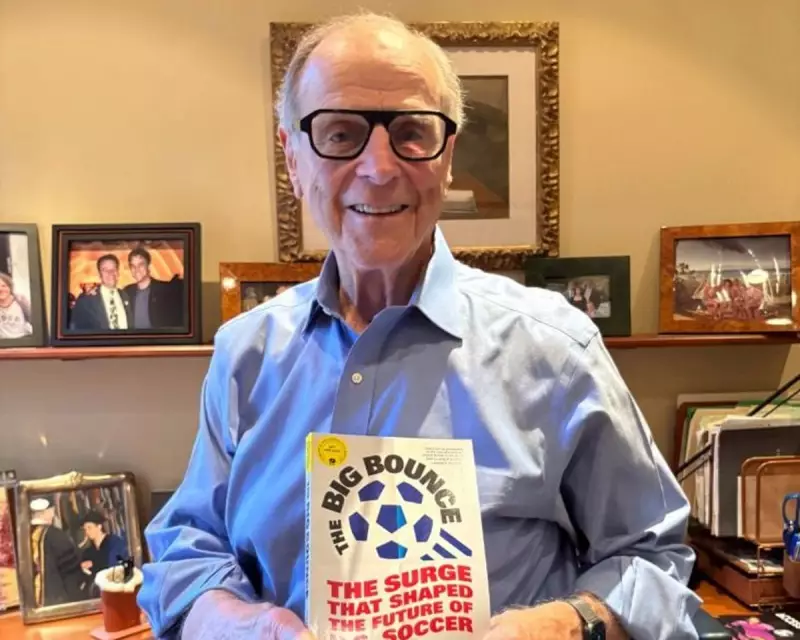
His negotiations with FIFA for that tournament had a direct and lasting consequence: the founding of Major League Soccer in 1996. The league's championship trophy bore his name until 2007. In a forthcoming book, The Big Bounce: The Surge That Shaped the Future of US Soccer, Rothenberg chronicles this era of explosive growth.
The 2026 World Cup and the American Soccer Fan
Looking ahead to the 2026 World Cup, co-hosted by the US, Canada, and Mexico, Rothenberg anticipates a different atmosphere around events like the upcoming draw in Washington D.C. He notes that while the 1994 draw in Las Vegas was a sporting spectacle with a brief video message from President Clinton, the 2026 version may carry a heavier political tone due to the personal investment of figures like FIFA President Gianni Infantino and former President Donald Trump.
Rothenberg is bullish on the tournament's potential to catalyse the sport domestically. He describes the American soccer audience as highly sophisticated and knowledgeable, a double-edged sword for domestic leagues. "The challenging part is the fans are so sophisticated that they follow teams in Europe," he notes. However, he believes the 2026 spectacle will drive exponential growth in the fanbase, boosting TV revenue and helping MLS attract more elite players in their prime, particularly with its shift towards the international football calendar.
Fandom, Finance, and the Free Market
Addressing concerns over dynamic pricing and soaring ticket costs, Rothenberg adopts a pragmatic, free-market stance. He compares the situation to a Taylor Swift concert, arguing that dedicated fans will find a way to attend. "If they didn’t have dynamic pricing, it would still be the same, because everybody would go to the after-market," he states. While acknowledging this prices out many working families, he sees it as the reality of modern sports commerce.
He is more optimistic about the unique passion of football supporters, which he believes will overcome logistical hurdles like transportation in 2026. "Soccer fans, I think, are really unique. They find their way," he asserts, dismissing concerns that political issues like immigration could dampen attendance.
Rothenberg also highlights the intense, community-oriented bond in football, exemplified by the fan revolt against the European Super League. He points to the vibrant atmosphere at clubs like Los Angeles FC as evidence that this model is taking root in the US. "LAFC have created out of nothing... it’s as if they transported them from Brazil or from England. You don’t really see that in other sports," he observes.
Reflecting on the increasing politicisation of World Cups under Infantino, Rothenberg suggests it is not strictly necessary. He recalls the 1994 tournament, where political leaders were supportive but not operationally involved. "It’s good and it’s bad," he concludes, noting that while a head of state's personal interest can ensure success, it may also cast a political shadow that alienates some fans. For the architect of America's soccer summer in 1994, the game's future, both on and off the pitch, remains a compelling story of growth and market forces.