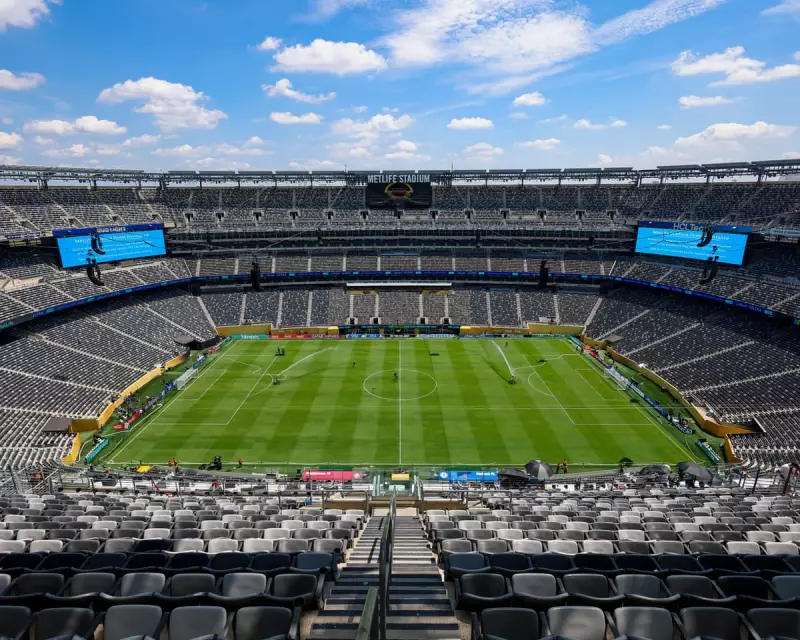
A major new report has launched a scathing critique of global sports bodies, including FIFA and the International Olympic Committee (IOC), for their failure to establish clear, consistent policies on the participation of athletes convicted of sexual offences. The publication of the findings comes just as the draw for the 2026 FIFA World Cup is set to take place, with the final confirmed for MetLife Stadium in East Rutherford, New Jersey.
Institutional Distrust and a 'Dome of Silence'
The collaborative report, titled No One Wants to Talk About It, is based on interviews with elite athletes who have been directly affected by sexual abuse. It aimed to assess attitudes towards the eligibility and accreditation of competitors with prior criminal sexual convictions at mega-events like the World Cup and Olympics.
A consistent theme emerged from the research: profound distrust. "Distrust was something that came up in every single interview," stated Joanna Maranhão from the Sports and Rights Alliance, which co-produced the report with Belgium's Thomas More University. The alliance includes groups like Amnesty International, Human Rights Watch, and the World Players Union.
Those interviewed pointed to "institutional inaction, silence, or complicity" from governing bodies. One athlete argued that organisations must first acknowledge the severity of the problem, comparing it to the importance of ensuring proper playing surfaces in top-level football.
High-Profile Cases Highlight a Global Loophole
The investigation underscores a glaring lack of a uniform global approach, allowing high-profile athletes to continue competing despite serious convictions. It cites the case of former Real Madrid, Manchester City, and AC Milan star Robinho. He was sentenced to prison by an Italian court in 2017 for participating in a gang rape in 2013, a conviction upheld in 2022. Despite this, his eligibility to play football was never formally revoked, and he initially avoided jail by staying in Brazil, which does not extradite its citizens.
Another current example is Ghana and Villarreal midfielder Thomas Partey. Partey was charged this year by the Crown Prosecution Service in England and Wales with five counts of rape and one of sexual assault, alleged to have occurred between 2021 and 2022. He pleaded not guilty in a London court in September 2025 and is scheduled for trial in November 2026 – after the upcoming World Cup. He remains eligible to play for his national team.
"There is a pattern of athletes, particularly male athletes, who commit sexual offences and while sometimes their contract is ended their eligibility to participate is not revoked," Maranhão explained.
The Dilemma of Rights vs. Safeguarding
The report acknowledges the complex balance between legal rights and ethical duty. It notes that individuals who have served sentences have a right to societal reintegration. However, it contrasts the strict, binding international rules for doping and match-fixing with the absence of equivalent frameworks for athlete safety and safeguarding.
"We have binding documents for doping... but there is not much around safe sport," Maranhão, a former Brazilian Olympic swimmer and abuse survivor advocate, emphasised. She revealed that in her own four-Olympic career, she was never screened for sports events, yet a one-day workshop later required pending accreditation checks.
A significant unknown is how US immigration law will affect athletes with criminal convictions seeking to enter the country for the 2026 World Cup or the 2028 Los Angeles Olympics. FIFA did not respond to requests to clarify its eligibility rules or address potential immigration issues. The precedent exists: in 2024, Australia banned Dutch beach volleyball player and convicted child rapist Steven van de Velde from entering for a world championship.
The report concludes that a "dome of silence and retaliation" persists, with institutions lacking the courage to prioritise victims over reputation. As the world prepares for the next cycle of mega-sporting events, the pressure on FIFA and the IOC to create transparent, enforceable safeguarding standards is set to intensify dramatically.