
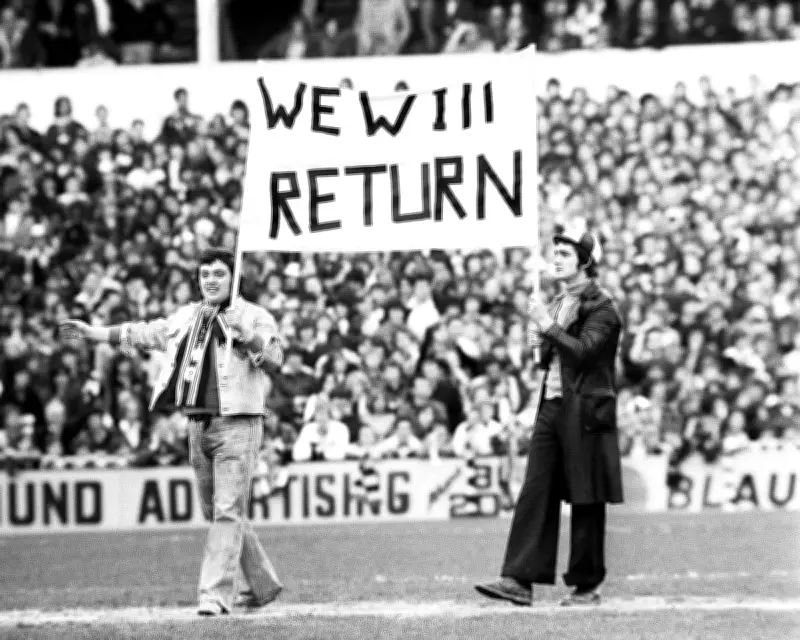
Relegation from the Premier League is often viewed as a catastrophic event for football clubs, bringing financial turmoil and a loss of prestige. However, a growing perspective suggests that this demotion can serve as a cathartic and regenerative force, offering clubs a unique opportunity to reset, rebuild, and emerge stronger in the long run.
The Financial and Emotional Impact of Relegation
When a club is relegated from the Premier League, it faces immediate financial challenges, including reduced television revenue and sponsorship deals. This can lead to budget cuts, player sales, and operational adjustments. Emotionally, relegation can be devastating for fans, players, and staff, creating a sense of failure and uncertainty about the future.
Forced Introspection and Strategic Rebuilding
Despite these hardships, relegation forces clubs to engage in deep introspection. Management must reassess their strategies, from youth development to transfer policies, often leading to more sustainable practices. This period of forced change can strip away complacency, encouraging innovation and a focus on long-term goals rather than short-term survival.
Examples of Regeneration Post-Relegation
Several clubs have demonstrated how relegation can be regenerative. For instance, some have used the drop to lower divisions to rebuild their squads with younger, hungrier players, fostering a stronger team ethos. Others have invested in infrastructure, such as training facilities, which pay dividends upon promotion. This process can renew a club's identity and fan engagement, turning adversity into a catalyst for growth.
The Cathartic Effect on Club Culture
Relegation can act as a catharsis, purging outdated elements of a club's culture. It often leads to managerial changes, boardroom reshuffles, and a reevaluation of club values. This cleansing effect can unite stakeholders around a common vision, fostering resilience and a renewed sense of purpose that benefits the club in subsequent seasons.
Long-Term Benefits and Lessons Learned
In the long term, clubs that embrace relegation as a regenerative opportunity often return to higher divisions with stronger foundations. They learn valuable lessons about financial prudence, squad depth, and strategic planning. This experience can prevent future relegations and contribute to more stable, successful periods in a club's history.
Ultimately, while relegation is undeniably challenging, it need not be a death sentence for football clubs. By viewing it as a cathartic and regenerative process, clubs can transform a moment of crisis into a stepping stone for future success, proving that sometimes, taking a step back can lead to two steps forward.