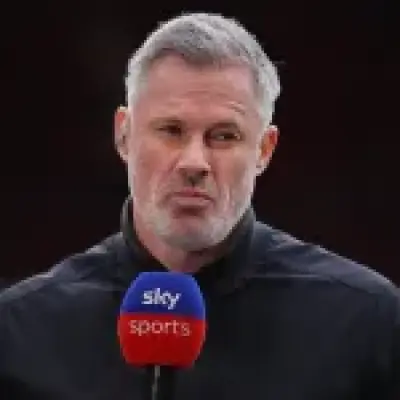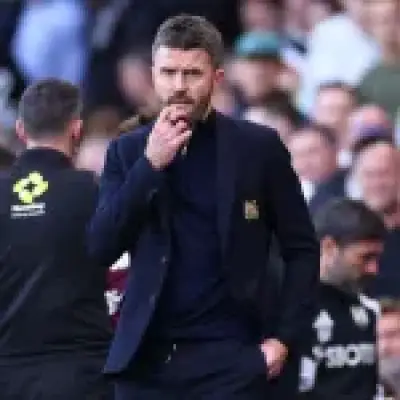
The Premier League enters the 2026-27 season with unprecedented instability in the managerial ranks. Nine of the 20 clubs will start with a different manager than the one who finished the previous campaign, and only three Englishmen – Frank Lampard, Michael Carrick, and Gary O'Neil – currently hold top-flight managerial positions. According to Opta, the only other seasons with such high turnover at the start were 1888-89 and 1946-47, both exceptional circumstances. This level of change now feels normal, reflecting a league where job security has never been lower.
Record turnover and short tenures
Including the recent appointments of Roberto De Zerbi and Michael Carrick, 11 clubs will begin the season with managers who have been in their roles for less than a year. The median tenure of Premier League managers at the start of a season has never been so low. The most comparable season was 2016-17, when 10 clubs had relatively new managers, but that group included Antonio Conte, Pep Guardiola, Jürgen Klopp, and José Mourinho – all proven or future title winners. By contrast, the current crop lacks such pedigree.
Mikel Arteta is the only manager starting 2026-27 who has won the English league title, and he has just one championship. This marks the fewest collective league titles on the division's CV in the Premier League era. The previous lows were three in 1995-96 and 2019-20.
Younger managers, but fewer English opportunities
The median age of Premier League managers is 46.9 years, the same as last season but younger than any time in the last two decades. However, this youth has not translated into more opportunities for English coaches. Eddie Howe's departure from Newcastle leaves just three English managers – Carrick, Lampard, and O'Neil – a different trio from last season's Howe, Scott Parker, and Graham Potter. Two of the current English managers are at newly promoted clubs, while two from last season's group were relegated. Opportunities at stable Premier League clubs are increasingly rare for English managers, let alone at clubs with title ambitions.
Spanish influence at the top
The top of the division is increasingly Spanish. Four clubs – Arsenal, Aston Villa, Chelsea, and Liverpool – are led by managers from the Basque region of Gipuzkoa, a small area that now supplies more top-flight coaches than the whole of England. While Manchester City, under new management after a decade of Guardiola, may still be favorites, Arteta, Xabi Alonso, and Andoni Iraola lead three of the top four in the title betting market, with Unai Emery's Villa seventh.
This global trend extends to players: just 8.6% of minutes in 1992-93 went to non-British or Irish players, but last season that figure hit a record 69.6%. The league is truly global at every level, including ownership and sporting directors.
Head coach vs manager: a blurred line
The role of sporting directors has blurred the distinction between head coach and manager. Liam Rosenior, appointed Chelsea head coach in January, said he was “extremely humbled and honoured to be appointed head coach of Chelsea Football Club.” Xabi Alonso, securing essentially the same role six months later, said he was “immensely proud to become manager of this great club.” Based on club announcements, the Premier League currently employs 14 head coaches and six managers.
Alonso's four-year contract at Chelsea is notable given the club hasn't kept a manager for two years since Conte left in 2018, or three years since Mourinho's first spell. Rosenior learned this the hard way: he signed a six-and-a-half-year deal but lasted less than interim managers Rafael Benítez and Guus Hiddink. Whether called head coach or manager, the profession has never offered shorter-term employment or felt less English in the Premier League.