State of Origin Coaches Endorse NRL's Super League Investment Strategy
Ahead of the highly anticipated 2026 State of Origin series, prominent Australian rugby league figures are advocating for a strategic investment that could reshape the sport's global landscape. Queensland men's coach Billy Slater and New South Wales coach Laurie Daley have both publicly endorsed the National Rugby League's pursuit of a significant stake in England's Super League, arguing that strengthening the northern hemisphere game is essential for rugby league's future prosperity.
Pathway Development and Global Standards
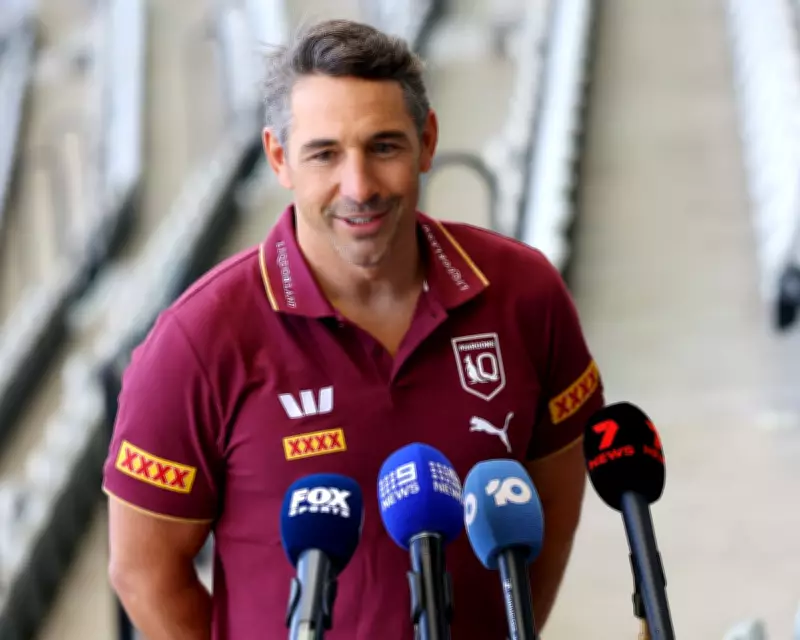
Billy Slater, who masterminded Queensland's Origin series victory in 2025, emphasized the critical need to enhance development pathways worldwide to maintain and elevate playing standards. "There's definitely something over there in the English Super League, and I think [the NRL] can make that work," Slater stated, highlighting the potential for collaboration. With the NRL expected to expand to twenty teams in coming years, Slater stressed the importance of cultivating talent through improved pathways to fill these new clubs with developed players.
Laurie Daley echoed these sentiments, describing the NRL's potential involvement as "a great opportunity to help their game over there because we do need a strong international game." Daley emphasized that while Australian rugby league remains robust, ensuring strength in other nations is vital for the sport's global health and competitiveness.
Negotiations and Financial Considerations
The NRL's chief executive, Andrew Abdo, recently visited England to explore investment opportunities that could involve governance reform in the UK and a potential return to a winter season. This strategic shift would enable broadcasters to screen elite rugby league content year-round, potentially increasing the sport's marketability. Abdo has indicated that opportunities with the Super League could enhance the value of the NRL's next broadcast deal, which is currently under negotiation with a target start date of 2028.
Australian Rugby League Commission chair Peter V'landys is ambitiously targeting a $4 billion broadcast deal, with international markets such as Papua New Guinea and the United Kingdom representing key growth areas amid advertising slowdowns on free-to-air television. The existing broadcast agreement with Nine and Foxtel in Australia generates approximately $400 million annually, contributing to the NRL's impressive $64.8 million surplus recorded in 2025.
Challenges and Potential Benefits
Discussions are ongoing regarding the scale of the NRL's required investment, which reportedly could involve acquiring one-third or more of the Super League, and the extent to which European clubs would need to cede administrative control to Australian officials. Daley acknowledged these complexities but remained optimistic about finding resolutions. "If you could help English rugby league, and have control, and be able to develop it like the way they have done with our competition, it would be a great thing for the game," he remarked.
The Super League currently faces financial challenges, with owners collectively losing around $38 million (£20 million) annually. NRL involvement could provide crucial financial support, potentially covering each team's wages bill and stabilizing the competition. This investment aligns with broader efforts to improve rugby league standards in Europe and create a more cohesive global structure.
A Healthy Australian Game
Launching this year's State of Origin series in Melbourne, where game two will take place at the MCG on June 17, Billy Slater expressed confidence in Australian rugby league's current state. "The game is in an extremely healthy position, it's extremely attractive to watch, the players are doing a wonderful job on the field, the administrators have done a wonderful job off the field to create an entertainment product that we all love," Slater commented, also noting his role with Channel Nine.
As negotiations progress, the backing from influential State of Origin coaches adds significant momentum to the NRL's ambitious plans. This potential cross-hemisphere partnership represents a strategic move to strengthen rugby league's global footprint, enhance player development pathways, and secure the sport's future through improved standards and financial stability.