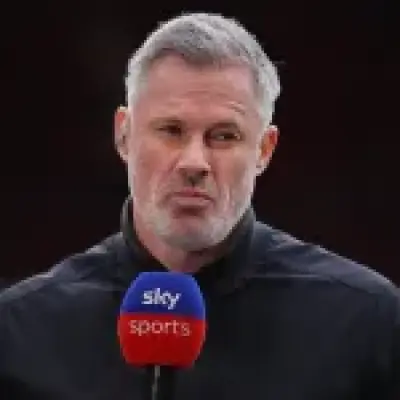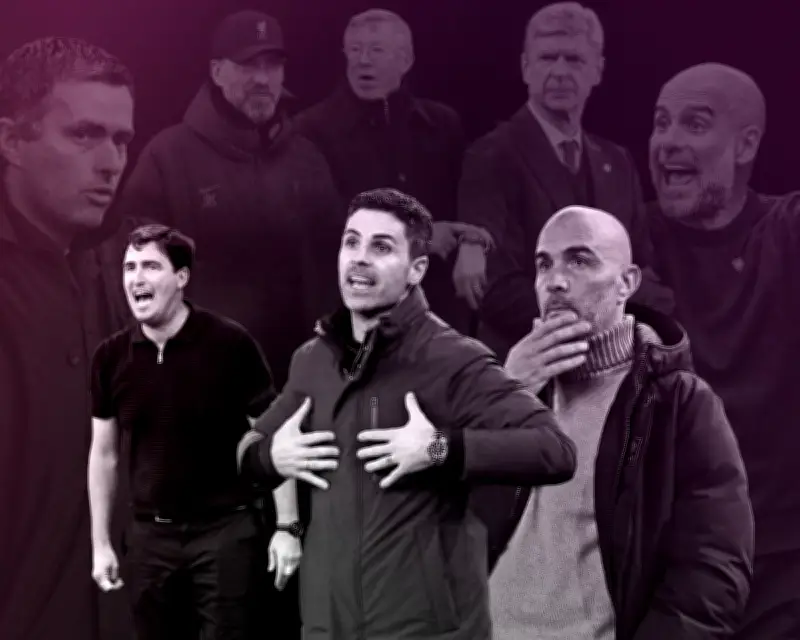
The Premier League enters uncharted territory this season as, for the first time since 1992, none of the five managerial titans—Sir Alex Ferguson, Arsène Wenger, José Mourinho, Jürgen Klopp, or Pep Guardiola—will be on the touchline. This seismic shift leaves a power vacuum, and the race to become the league's next alpha manager is wide open.
The End of an Era
The departure of these iconic figures marks a generational change. Ferguson's fiery dominance, Wenger's revolutionary methods, Mourinho's tactical pragmatism, Klopp's heavy-metal football, and Guardiola's positional play have defined the league for three decades. Their absence creates an opportunity for a new breed of coaches to etch their names into Premier League folklore.
According to football journalist Jonathan Wilson, the league looks "a little diminished" without these larger-than-life characters. The current longest-serving manager is Mikel Arteta, who took charge of Arsenal in December 2019. Yet even he has been in the role for less than six years, a stark contrast to the longevity of previous eras. Régis Le Bris, who joined Sunderland in 2023, is already the fourth longest-serving boss, highlighting the rapid turnover in the modern game.
Arteta's Moment?
Arteta is arguably best placed to fill the void. His Arsenal side have consistently challenged for the title, finishing second in 2023 and 2024. However, retaining the league is a formidable challenge, especially after a long trophy drought. Key players like Declan Rice and Bukayo Saka looked fatigued at the 2024 World Cup, and William Saliba has struggled with a back injury. A slow start for Arsenal would not be surprising, but Arteta's tactical acumen and squad depth could still make them favourites.
New Challengers Emerge
Manchester City and Liverpool, the last two champions, are under new management. Enzo Maresca, Guardiola's successor at City, has a solid record but is known for cautious football, which frustrated fans at Leicester and Chelsea. Arne Slot, who took over at Liverpool, proved he can thrive in the short term, but succeeding a club-defining figure like Klopp is a monumental task. Andoni Iraola, now at Bournemouth, impressed with his pressing style but faces questions about his team's tendency to concede late goals and his lack of European experience.
Michael Carrick at Manchester United is another wildcard. He did enough last season to earn the job permanently, but his ability to handle the demands of multiple competitions remains unproven. United's third-place finish was aided by a lack of European fixtures, a luxury they won't have this year.
Chelsea's Advantage
Chelsea, however, may have a significant edge. Under Xabi Alonso, they have one of Europe's most promising young managers, and crucially, they have no European football this season. This allows Alonso time to implement his ideas and keeps his squad fresher than rivals. As Wilson notes, this is "extremely good news for Chelsea."
The Battle for Supremacy
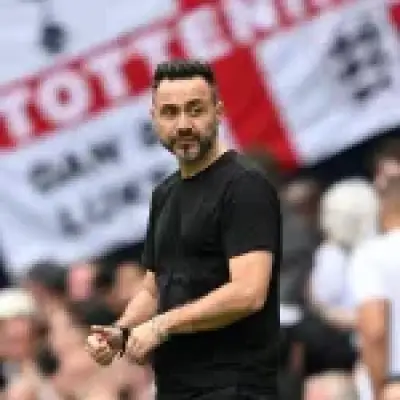
Unai Emery, despite his Europa League dominance, still battles a perception of not being top-tier. But if Aston Villa can find consistency beyond Morgan Rogers' spectacular long-range goals, Emery could cement his status. Roberto De Zerbi, with his charismatic leadership, is expected to push for Champions League qualification with Tottenham, especially given their summer signings and lack of European distractions.
The Premier League is entering a new phase. The giants have gone, but the land awaits its next giant. With Arteta leading the pack and a legion of contenders, the battle for supremacy promises to be as compelling as ever.