MLS's World Cup Presence Hits Historic Low as Youth Development Takes Center Stage
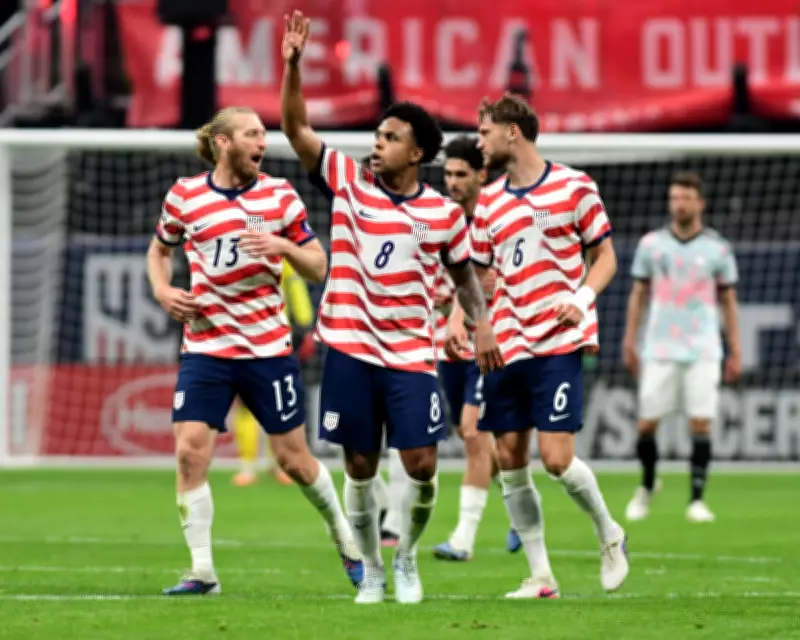
When the United States men's national team travels to compete in the 2026 World Cup on home soil, Major League Soccer's direct representation on the field will reach its lowest point since the league's inception. This summer, it is entirely plausible that just two MLS players will make starts for the USMNT: either goalkeeper Matt Freese of NYC FC or, less likely, Matt Turner of the New England Revolution, alongside 38-year-old defender Tim Ream of Charlotte FC. Every other domestically based player appears to be an understudy, if they are in the mix to play at all.
A Dramatic Decline from 1998's MLS-Dominated Roster
The contrast with past tournaments is stark. In the 1998 World Cup in France, the US team featured 16 MLS players on their 22-man roster, with an average of seven MLS starters per match during the group stage. This was by design, as MLS, launched in 1996 as part of a promise to FIFA for hosting the 1994 World Cup, actively hoarded national team talent. However, that number has trended downward ever since. By the 2002 quarter-final run, it dropped to 5.4 MLS starters on average, then to 3.33 in 2006, two in 2010, and only one in 2022. In fact, the USMNT's final group stage match against Iran in Qatar marked the first time since the league's founding that no MLS players started a World Cup game.
The 2014 Anomaly and the Shift in Strategy
The outlier in this trend was the 2014 World Cup, where an average of 4.75 MLS players started for the US in Brazil. This was the residue of a concerted effort by MLS to lure high-profile national teamers with enormous contracts, such as Clint Dempsey from Tottenham and Michael Bradley from Roma. Unlike 2014, MLS has brought home no established national teamers in the run-up to the 2026 tournament, with even potential inclusions like Josh Sargent unlikely to make the final squad.
MLS DNA Runs Deep Through Academy Development
Despite the shrinking footprint of MLS players on the field, the league's influence is more profound than ever in youth development. According to roster predictions, of the 27 players deemed either "on the squad" or "up for debate" for the 2026 World Cup, 19 were developed by MLS academies. That is an increase from the 16 MLS academy products on the 2022 roster. In fact, only dual nationals who grew up in other countries, with the notable exception of Christian Pulisic, were not developed by MLS. This shift means that while fans may not see US World Cup stars at local MLS stadiums, the league's DNA runs through most of the national team.
Strategic Implications for MLS and US Soccer
This evolution reflects a strategic, long-term policy by MLS to invest in incubating domestic youth players and young talent from across the hemisphere, rather than chasing after the priciest established stars. While it may make it harder to attract new fans without marquee national teamers playing locally, it aligns with a broader focus on sustainable growth and development. The World Cup serves as a referendum of sorts, highlighting how MLS's role has transformed from a direct supplier of players to a foundational developer of future talent, reshaping the careers of US national team players in the process.