Violence has escalated dramatically in Mexico following the killing of a notorious drug cartel boss, casting serious doubt on the safety and feasibility of hosting 2026 FIFA World Cup matches in the country. The incident has sparked widespread unrest, prompting urgent travel warnings and flight cancellations that directly impact preparations for the global football tournament.
Cartel Boss Killing Triggers Widespread Unrest
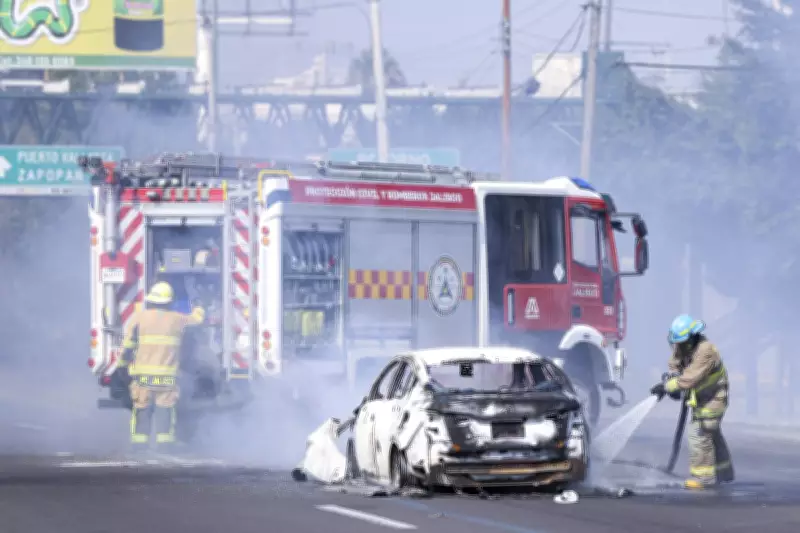
Mexican army troops fatally wounded Nemesio Ruben Oseguera Cervantes, known as "El Mencho," during a military operation in the western state of Jalisco on Sunday. The confrontation resulted in seven fatalities and ignited several hours of violent protests across multiple states. Protesters established roadblocks using burning vehicles, creating chaos and disrupting transportation networks throughout the region.
Immediate Impact on World Cup Host City
Guadalajara, the capital of Jalisco state, is scheduled to host four group-stage matches during the 2026 World Cup, which Mexico is co-hosting with the United States and Canada in June and July. The first match in Guadalajara could feature the Republic of Ireland against South Korea on June 11, provided Ireland qualifies through the play-offs. Other confirmed teams playing in Guadalajara include football powerhouses Spain, Colombia, Uruguay, and host nation Mexico.

The escalating violence has raised immediate concerns about visitor safety and tournament logistics. The United States State Department has issued urgent warnings to American citizens in affected areas, advising them to seek safe shelter immediately. Multiple airlines, including Air Canada, United Airlines, and American Airlines, have suspended flights to Jalisco in response to the security crisis.
Broader Security Concerns Emerge
While other Mexican World Cup host cities—Mexico City and Monterrey—have not experienced the same level of violence following El Mencho's killing, the incident has exposed broader security vulnerabilities. Four domestic football fixtures were postponed yesterday due to fears of violence involving members of El Mencho's Jalisco New Generation Cartel, demonstrating how quickly unrest can disrupt sporting events.
This security crisis represents the latest challenge for the 2026 World Cup organizers. Previous concerns have included political tensions, with former President Donald Trump hinting at moving games from Democratic strongholds in the United States, and calls from some European groups to boycott the tournament over U.S. immigration and foreign policies.
Government Responses and Travel Warnings
Mexican President Claudia Sheinbaum has appealed for calm, stating that "in most parts of the country, activities are proceeding normally" while urging citizens to remain "calm and informed." However, international governments have taken a more cautious approach to the deteriorating security situation.
The United Kingdom government has advised visitors to Jalisco to "exercise extreme caution" and follow local authority guidance following reports of "serious security incidents." The U.S. State Department has extended its warnings beyond Jalisco to include Tamaulipas, areas of Michoacan, Guerrero, and Nuevo Leon, indicating concerns about potential spillover violence.
As tournament organizers monitor the situation closely, questions remain about whether security conditions will stabilize in time for the World Cup, or whether contingency plans will need to be activated to ensure participant and spectator safety during what should be football's premier global celebration.