Lachie Neale Resigns as Brisbane Lions Co-Captain Following Personal Struggles
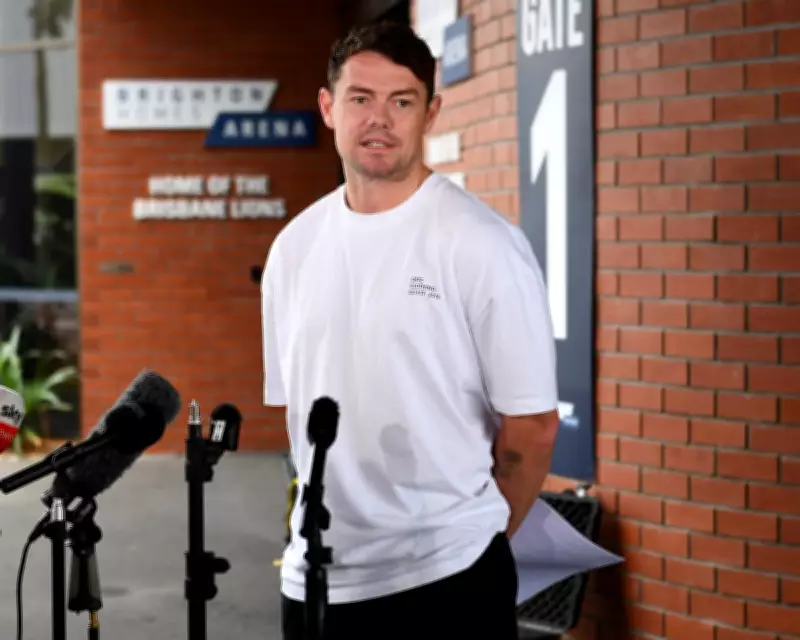
Brisbane Lions midfielder Lachie Neale has announced his decision to step down as co-captain of the AFL club after personal issues became public knowledge. The Brownlow Medalist made the announcement at a media conference, marking a significant shift for the player who was instrumental in the Lions' 2025 grand final victory.
The Media Storm Surrounding Private Lives
Neale's situation has ignited a broader conversation about media boundaries and the public's appetite for personal stories about athletes. While Neale possesses exceptional football skills including what boxers call "ring geometry" – an intrinsic understanding of spatial awareness on the field – these abilities apparently couldn't shield him from personal challenges off the field.
The media landscape has transformed dramatically in recent decades. If today's level of personal scrutiny had existed in the 1970s, 80s, and 90s, printing presses would have struggled to keep up with the volume of scandal coverage. British press of that era would have potentially ended careers along with marriages.
Changing Dynamics in Sports Journalism
There are notable exceptions in media history, such as the Herald Sun's 14 consecutive front pages dedicated to the Wayne Carey affair. That coverage represented both soap opera drama and legitimate football story, with Carey never returning to his previous form and North Melbourne potentially changed forever as a club.
The Neale story unfolds in a distinctly modern context where careers, personal brands, emotions, marriages, and identities play out across social media platforms. The phenomenon of someone "breaking their silence" has become daily content, with articles covering everything from disgruntled former partners taking out trash bins to real estate implications. Even Brisbane teammate Will Ashcroft, with his distinctive hair and two Norm Smith medals, found himself in the spotlight at just 21 years old due to relationship news.
The Economics of Personal Drama
There's undeniable market demand for this type of content. Millions of Australians regularly watch reality shows featuring fame-seeking strangers pretending to be married. Much of the discussion, whether in media circles or casual conversations, involves people expressing disbelief that such topics dominate attention while continuing to engage with them extensively.
Both the Neale situation and the Luke Sayers photograph controversy represent stories of our current era, characterized by shortening attention spans, financially strained newsrooms operating on thin margins, and the erosion of boundaries between personal and public life. For media organizations, such content represents low-effort, high-return opportunities compared to resource-intensive investigative journalism.
Club Media Management Challenges
The situation presents particular challenges for AFL clubs that function as their own media operations while maintaining tight control over access and messaging. During preseason periods when clubs promote optimism and sell memberships, they typically cultivate positive relationships with journalists to foster favorable coverage of club culture.
However, a single social media interaction – whether a "like" or an emoji reaction – can undermine entire media management strategies. Journalists covering these personal stories often operate outside traditional football beats, requiring only Instagram access and basic technology rather than maintaining club relationships. This dynamic was evident when Hawthorn's Jack Ginnivan faced an airport ambush reminiscent of investigative television segments.
The Communication Divide
Efforts to bridge the gap between athletes and media aren't helped by some of the contrived communication from clubs and players themselves. During trade periods particularly, interviews often devolve into strategic messaging rather than genuine communication, with players like Zach Merrett and Charlie Curnow delivering comments that sounded more like real estate pitches than authentic perspectives.
Against this backdrop, Neale's media appearance last year stood out for its raw honesty. Without corporate sponsorship displays or promotional agendas, he addressed fundamentally human challenges that occur regularly in families, workplaces, and social settings. However, even in this vulnerable moment, Neale occasionally reverted to athletic clichés about "doing the work" and becoming "the best version" of himself.
Here was a grand final hero and master compartmentalizer who navigates football stoppages with dozen different techniques, yet found no escape from personal scrutiny in today's media environment. In this instance, as Neale's story demonstrates, there are ultimately no winners except those monitoring website traffic metrics.