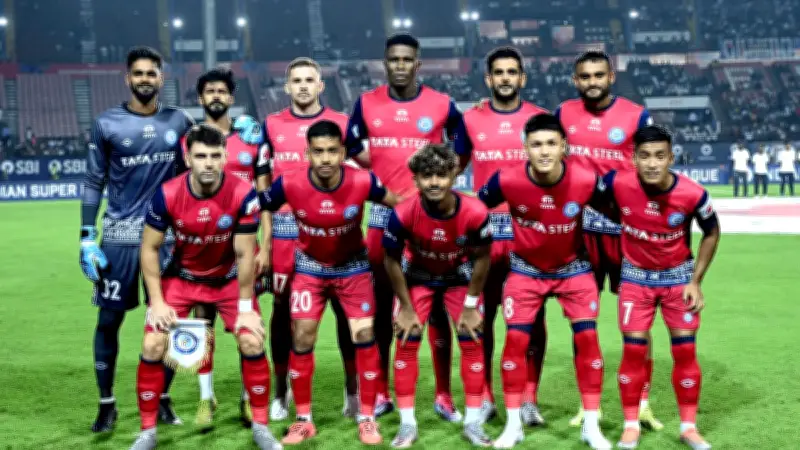
The Indian Super League (ISL) has been plunged into turmoil following the sudden withdrawal of Jamshedpur FC, a direct consequence of parent company Tata Steel's decision to end its financial backing. The announcement, made on August 5, 2026, has sent shockwaves through Indian football, leaving the league's governing body, the All India Football Federation (AIFF), scrambling to address the fallout and raising serious questions about the long-term sustainability of clubs reliant on corporate funding.
Immediate Impact and League Structure
Jamshedpur FC's exit reduces the ISL to 12 teams for the upcoming 2026-27 season, with the league scheduled to kick off in September. The withdrawal comes just weeks before the transfer window closes, forcing the club's players and coaching staff into uncertainty. According to a league official, "The timing could not be worse, and we are working on contingency plans to ensure competitive balance." The AIFF has yet to announce whether a replacement club will be drafted in or if the season will proceed with an uneven number of fixtures.
Reasons Behind the Withdrawal
In an official statement, Jamshedpur FC cited "irreversible financial constraints" as the primary reason for their departure. Tata Steel, which has owned the club since its inception in 2017, decided to divest its sports portfolio as part of a broader strategic restructuring. The company's exit follows a pattern of corporate retrenchment in Indian football, with previous withdrawals by ATK (Kolkata) and FC Pune City in recent years. Analysts point to the ISL's heavy reliance on a handful of conglomerates—such as Reliance Industries (Mumbai City FC) and the GMR Group (Delhi Dynamos)—as a structural vulnerability.
Reactions and Consequences
Players and fans have expressed dismay. Midfielder Aniket Bhutia, who had been with Jamshedpur since 2023, told reporters, "This is devastating. We had built a family here, and now everything is up in the air." The club's academy, which trained over 200 young players, will also shut down, dealing a blow to grassroots development in Jharkhand. Meanwhile, sponsors and broadcast partners are seeking reassurances from the ISL, with some threatening to renegotiate deals if the league fails to stabilize.
Broader Implications for Indian Football
The withdrawal underscores the fragility of the ISL's business model, which has yet to achieve profitability since its launch in 2014. Despite growing attendance and television viewership, most clubs operate at a loss, relying on parent companies to subsidize operations. Sports economist Dr. Rohan Gupta commented, "The ISL needs a more diversified revenue base—through merchandise, youth development, and community engagement—rather than dependence on a few benefactors." The AIFF has promised a review of licensing criteria, but immediate action remains unclear.
What's Next for the League and Fans
As the ISL prepares for an emergency meeting next week, speculation is rife about potential expansion or merger with the I-League. For Jamshedpur's supporters, the future is bleak, with many calling for a fan-owned club model similar to those in Germany. The league's credibility is on the line, and its ability to navigate this crisis will determine whether Indian football can sustain momentum on the global stage.