Austrian Football Shaken by Hidden Camera Scandal in Women's Team's Changing Room
A man accused of placing secret cameras in the changing room and showers of the Altach women's football team is appearing in court next week in a case that has profoundly shaken Austrian football. The scandal has exposed serious security failures and prompted widespread calls for better protection of female athletes.
Shocking Discovery and Legal Proceedings
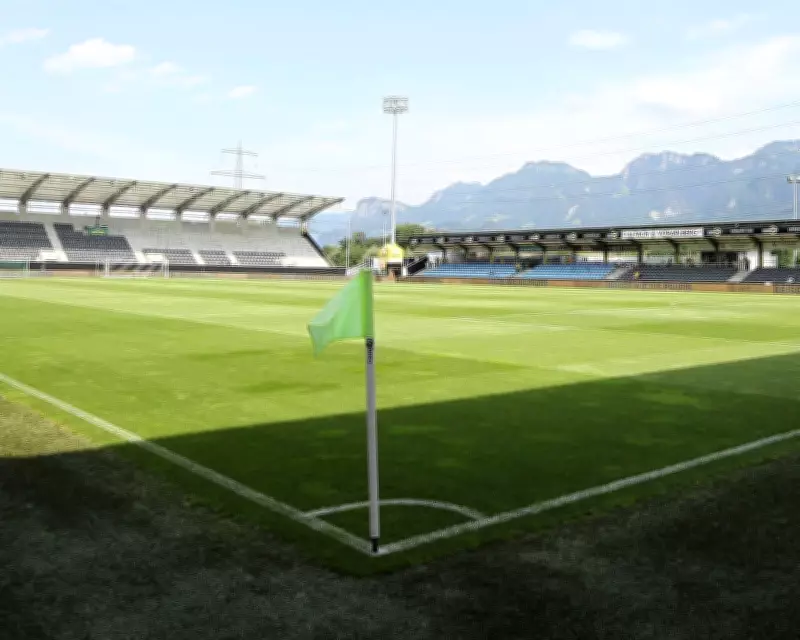
According to the Public Prosecutor's Office in Feldkirch, approximately thirty women have been identified on the recordings discovered in the Cashpoint Arena in Altach, where the team plays their home games in Austria's Frauen-Bundesliga. The man faces charges of misuse of recording devices under section 120 of the Austrian criminal code and handling of image-based sexual abuse material under section 207a.
Local media reports indicate the material was uncovered during investigations by German and Swiss authorities into possible child pornography offences. It remains unclear whether the accused viewed, possessed, or produced the illicit recordings.
Players' Trauma and Club Response
One player, speaking anonymously to Vorarlberger Nachrichten reporter Markus Krautberger, revealed that the team learned about the alleged crimes through media reports before being called to an emergency meeting. "We were completely shocked," she said. "The rug was pulled from under our feet."
The player described the ongoing emotional toll, stating: "One thing is for sure: this will take a long time... There are better and worse days. But my thoughts are of course often on this case. And when that happens you think about how disgusting and grim it is what has been going on here."
SCR Altach issued a statement confirming they provided immediate support to players through professional victim support organizations after external information was leaked to media. The club emphasized their commitment to offering both neutral external experts and internal contact persons to ensure every player had access to supportive environments for discussion.
Political and Institutional Reactions
Austrian Sports Minister Michaela Schmidt condemned the alleged crimes as "disgusting," declaring: "If female athletes are not even safe in their own dressing rooms because of an official then they have nowhere to stand on. I am hoping for a full investigation by the authorities and a complete overhaul by the club."
Schmidt's department sent Altach a comprehensive list of questions, which the club claims to have answered before Christmas. The minister emphasized the broader implications, stating: "Everyone in sport deserves to be protected from boundary violations, abuse of power or sexual harassment. It is clear that we need significantly more prevention than we have now."
Systemic Safeguarding Failures
Manuel Willam, an assistant to the board at Altach, confirmed the club is conducting an internal process to develop additional protective and preventive measures. They are collaborating with the Austrian FA and Austrian Sports Federation on enhanced security protocols to be presented in March.
Claudia Koller, managing director of 100% Sport which oversees safe sport initiatives in Austria, highlighted fundamental prevention shortcomings. "A safeguarding policy must be communicated and be completely transparent," she told Der Standard. "Its purpose is to protect someone in an emergency or to direct them to relevant resources – and if this isn't clearly visible, it's useless."
Koller added that while criminal record checks won't solve everything, they send important signals about institutional vigilance, though only if someone has already been convicted of previous offenses.
Journalistic Challenges and Player Advocacy
Reporter Markus Krautberger, who has led coverage of the scandal, noted that several players approached him wanting to share their stories to prevent the situation from being minimized. "It is important to highlight what has happened," he explained. However, after initial articles were published featuring player testimonies, the club became less responsive to media inquiries.
The case has prompted discussions about civil lawsuits, with some affected women considering legal action against the accused. As the Altach Causa continues to unfold, it serves as a stark reminder of the vulnerabilities athletes face and the urgent need for comprehensive safeguarding reforms in sports institutions across Austria and beyond.