The 2026 FIFA World Cup draw in Washington D.C. on Saturday, 6 December 2025, was an event that will be remembered less for the football fixtures it produced and more for its brazenly political theatre, orchestrated largely for the benefit of one man: former US President Donald Trump.
A Draw Overshadowed by Political Pageantry
What is traditionally a procedural event to determine the tournament's group stages was transformed into an 87-minute spectacle, presided over by former England defender Rio Ferdinand. The ceremony, delayed from its noon kick-off, was held at the Kennedy Center, a venue Mr Trump referred to as the "Trump Kennedy Center". Before the draw could even begin, the audience was treated to a lengthy walk of self-promotion by the former president, who remarked, "I guess they have to wait," before taking his seat.
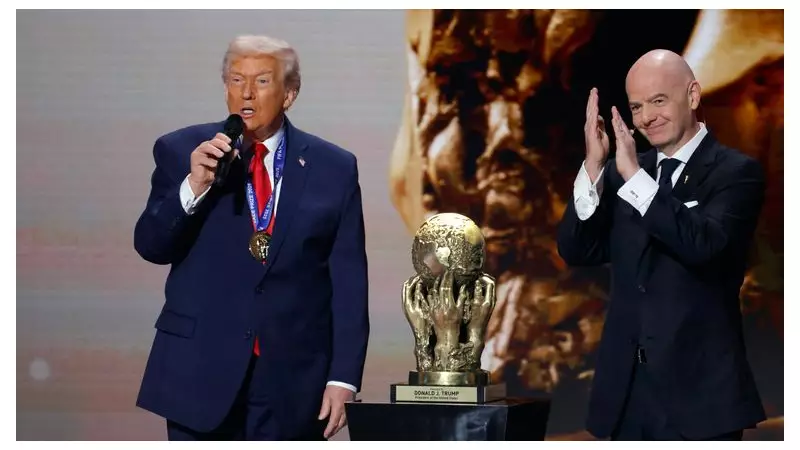
The centrepiece of the political display was FIFA President Gianni Infantino's decision to present Donald Trump with a newly-created FIFA Peace Prize. Knowing how much being overlooked by the Nobel Committee had reportedly hurt the former president, Mr Infantino lavished him with the adulation he craves. "This is truly one of the great honours of my life," Trump said from the stage, adding, "And beyond awards, Gianni and I were discussing this. We saved millions and millions of lives." He also received a medal to wear.
The Football Fixtures: England and Scotland Learn Their Fate
When the focus finally shifted to football, the home nations discovered their paths for the tournament, which will be jointly hosted by the United States, Canada, and Mexico. England were handed what appears an undaunting route through Group C, where they will face Croatia, Panama, and Ghana. England manager Thomas Tuchel gave a measured reaction to the draw.
Scotland, meanwhile, face a tougher challenge in Group D. They will open their campaign against newcomers Haiti, before tricky reunions from their last men's World Cup appearance in 1998 against Brazil and Morocco. Scottish fans reacted with a defiant "Bring it on!" to the prospect.
FIFA's Embrace of Politics and the 'Stardust' Effect
The event laid bare FIFA's willingness to engage directly with political figures, dispelling any pretence of keeping a distance. The organisation's redistributed wealth, critics argue, ensures few within its world speak out against such manoeuvres. The spectacle benefited from Trump's "stardust and swagger," with even performers like Robbie Williams and the Village People securing prominent roles, the latter becoming an unlikely Trump hype act.
Eventually, the spotlight was ceded, very briefly, to the other host nation leaders. Mexican President Claudia Sheinbaum and Canadian Prime Minister Mark Carney drew out their countries' names. In a moment of thawing tensions—often stoked by Mr Trump himself—the neighbours were brought together in the name of football on a snowy day in Washington. The afternoon proved that, for FIFA, football's unifying power is a mantra readily applied to geopolitics when it serves their purpose.