
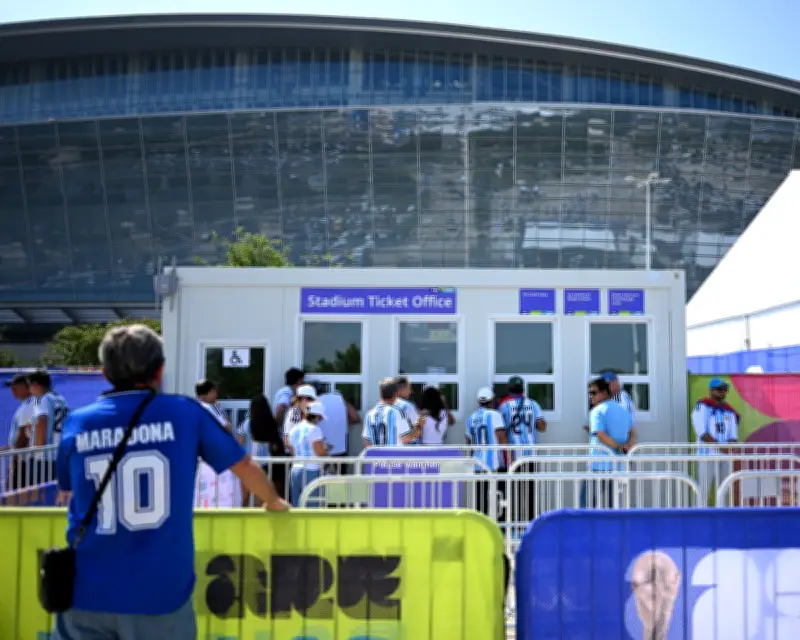
FIFA's top leadership overruled objections from its own US-based staff to implement dynamic pricing for the 2026 World Cup, according to internal documents and sources familiar with the decision. The move has sparked criticism from fan groups and consumer advocates who argue it will price out ordinary supporters.
Internal opposition ignored
Staff in FIFA's Miami office, responsible for the North American market, warned that dynamic pricing could damage the tournament's reputation and alienate fans. They recommended a fixed-price model similar to previous World Cups. However, FIFA President Gianni Infantino and Secretary General Fatma Samoura pushed through the variable pricing system, which adjusts ticket costs based on demand.
“The US team was very clear that dynamic pricing would be a PR disaster,” said a former FIFA employee who spoke on condition of anonymity. “But the leadership in Zurich was determined to maximize revenue.”
How dynamic pricing works
Dynamic pricing, commonly used by airlines and hotels, will apply to all categories of tickets for the 48-team tournament, which will be hosted across the United States, Canada, and Mexico. Prices will fluctuate in real time, with high-demand matches—such as the final and group games featuring top teams—expected to see significant increases. For example, a Category 3 ticket for the final could rise from an initial price of $585 to over $1,000.
FIFA estimates that dynamic pricing could generate an additional $200 million in revenue, according to internal projections. The organization has faced financial pressures due to rising costs for the expanded tournament, including increased prize money and infrastructure investments.
Fan backlash
Fan groups have condemned the decision. “This is a betrayal of the World Cup's spirit,” said Amanda Davies, spokesperson for the Football Supporters Association. “Football should be accessible to all, not just the wealthy. FIFA is prioritizing profits over people.”
Consumer advocacy group Public Citizen has called on FIFA to reverse the policy. “Dynamic pricing is a regressive tax on fans,” said Robert Weissman, the group's president. “It exploits the passion of supporters to extract maximum money.”
FIFA's defense
FIFA defends the move as necessary to ensure a fair market. “Dynamic pricing allows us to price tickets according to real demand, reducing scalping and ensuring that tickets go to genuine fans,” a FIFA spokesperson said. “It is a common practice in major events worldwide.”
The organization also notes that a portion of tickets will be reserved for local residents at fixed prices in each host city. However, critics argue that these allocations are too small to offset the overall impact.
Comparison with past tournaments
Previous World Cups, including the 2022 tournament in Qatar, used a tiered pricing system with fixed prices for each category. While some tickets sold out quickly, prices remained stable. The 2018 World Cup in Russia also avoided dynamic pricing. “This is a fundamental shift in FIFA's approach,” said sports economist Stefan Szymanski. “It treats the World Cup more like a commercial product than a global sporting event.”
Impact on fans
The 2026 World Cup will be the largest ever, with 80 matches across 16 cities. Average ticket prices are expected to be 30-40% higher than in 2022 due to dynamic pricing, according to analysts. For a family of four attending multiple matches, costs could exceed $10,000.
“I've saved for years to take my son to his first World Cup,” said Toronto resident Mark Thompson. “Now I'm not sure we can afford it. It's heartbreaking.”
FIFA has not yet announced the full ticket sales timeline, but registration for the first sales phase is expected to open later this year. The controversy is likely to intensify as the tournament approaches.