FIFA Faces Mounting Pressure Over Delayed £185m Club World Cup Solidarity Payments
Frustration is escalating among football clubs worldwide as they continue to wait for £185 million in solidarity payments promised by FIFA following last summer's Club World Cup. The funds, designed to distribute a portion of the tournament's revenue throughout the global football pyramid, remain undelivered more than seven months after the competition concluded, with no established timeline for their release.
Uncertain Distribution Formula Compounds Delays
According to sources, FIFA has yet to determine how the substantial £185 million sum will be allocated among clubs that did not participate in the prestigious tournament. If divided equally, this would translate to approximately £50,000 for every top-flight club globally. However, the absence of a clear distribution formula has left many clubs, particularly those in smaller leagues, in a state of uncertainty and growing impatience.
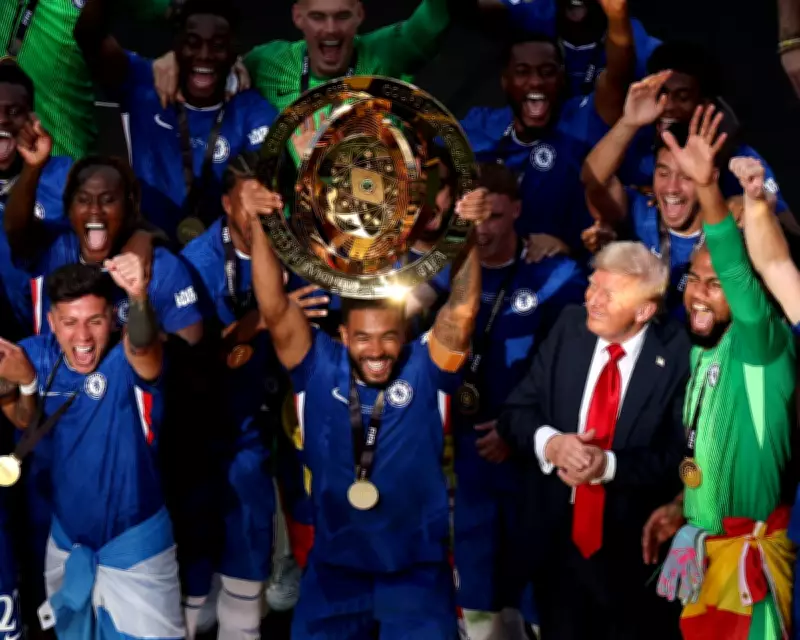
The £740 million set aside as prize money for participating clubs has reportedly been disbursed, with champions Chelsea believed to have earned around £84 million from their victory. In contrast, the solidarity payments, while seemingly modest in comparison, represent a potential lifeline for clubs operating in less lucrative markets.
Critical Financial Impact on Smaller Clubs
An executive from one of Europe's smaller leagues revealed to The Guardian that repeated inquiries have yielded no clear answers regarding payment timelines. For clubs in environments where domestic television rights deals are increasingly precarious or even nonexistent, a five-figure windfall could make a significant difference in their financial stability.
Numerous clubs across various continents have reported similar experiences, with many expressing concern over FIFA's perceived foot-dragging in finalizing the payment distribution framework. In some instances, meetings on the topic are believed to have been postponed by FIFA, further delaying the process.
Complex Negotiations and Political Sensitivities
FIFA has been engaged in ongoing dialogue with the influential European Football Clubs body for several months. Last year, an agreement was reached to reserve approximately 13% of Club World Cup revenue for solidarity payments. While some acknowledge the complexity and political sensitivity of allocating funds across different confederations, the extended delay has tested the patience of many stakeholders.
One significant sticking point is the lack of a determined formula for dividing the £185 million among the six confederations, which were represented at the Club World Cup to varying degrees. Consequently, clubs are highly unlikely to receive identical amounts, adding another layer of complexity to the distribution process.
Infrastructure Challenges in Payment Distribution
Compounding the issue is the fact that most confederations lack established mechanisms for distributing such solidarity payments. UEFA, with its experience in allocating funds to clubs that do not qualify for European competitions, is expected to employ a similar model once the final amounts are confirmed. However, other confederations may face greater challenges in administering the payments efficiently.
A source from the Union of European Clubs (UEC), representing over 140 non-elite clubs across Europe, confirmed that none of its members have received any information regarding potential payment timelines. "UEC as an organization has not heard anything, and no member clubs we have consulted with have heard anything either," the source stated.
Last-Minute Funding Agreement Adds to Complications
The delayed payment process may have been exacerbated by the last-minute nature of FIFA's funding agreement for the Club World Cup. It was only in March 2025, just three months before the tournament, that the prize money and solidarity pots were finalized. This followed a £787 million agreement reached in December 2024 with the Saudi-backed streaming platform Dazn to broadcast all competition games free of charge.
While there is no suggestion that the solidarity payments will go unpaid, the extended wait has heightened tensions within the global football community. As clubs continue to operate in increasingly challenging financial environments, the timely distribution of these funds has become more critical than ever.