
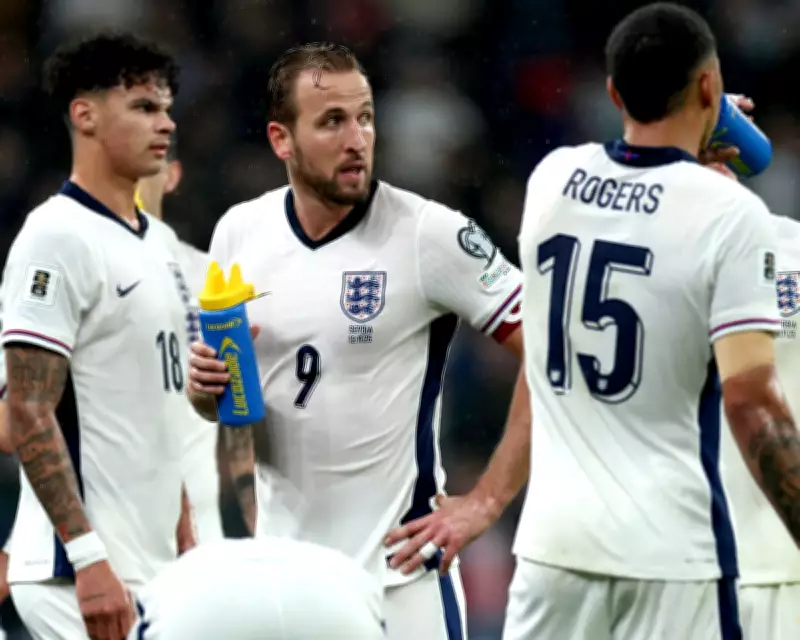
FIFA Implements Water Breaks with Advertising in Football Matches
In a recent move, FIFA has introduced mandatory water breaks during football matches, a decision aimed at enhancing player welfare in response to increasing concerns over heat and hydration. However, this initiative has sparked controversy as it includes the integration of advertising during these breaks, blending health measures with commercial opportunities.
Details of the New Water Break Policy
The new policy mandates short water breaks at specific intervals in matches, particularly in hot and humid conditions, to ensure players stay hydrated and reduce the risk of heat-related injuries. FIFA officials have stated that this is part of a broader effort to prioritize athlete safety, following medical advice and feedback from players and teams.
During these breaks, advertising will be displayed on screens or through other media, allowing sponsors to reach a global audience. FIFA argues that this advertising helps fund the implementation of welfare measures, including better medical support and training facilities. The organization emphasizes that player health remains the primary focus, with the commercial aspect serving as a supplementary benefit.
Reactions from the Football Community
The announcement has elicited mixed reactions from various stakeholders in the football world. Player associations and some teams have welcomed the water breaks as a positive step for welfare, acknowledging the importance of hydration in high-intensity sports. However, critics have raised concerns about the inclusion of advertising, viewing it as a potential distraction or commercialization of player health.
Some experts argue that while water breaks are beneficial, adding advertising could undermine their purpose by turning a welfare measure into a marketing tool. Others suggest that if managed properly, this approach could set a precedent for balancing commercial interests with athlete care in professional sports.
Broader Implications for Football and Sports Governance
This development highlights ongoing tensions between player welfare and commercial pressures in football. As the sport continues to grow globally, governing bodies like FIFA face challenges in implementing policies that address health concerns while sustaining financial viability. The water break initiative reflects a trend where welfare measures are increasingly intertwined with sponsorship and broadcasting deals.
Looking ahead, FIFA plans to monitor the impact of these water breaks on player performance and safety, with potential adjustments based on feedback and data. The organization also aims to explore other welfare initiatives, such as improved medical protocols and climate-adaptation strategies, to support athletes in evolving environmental conditions.
In summary, FIFA's introduction of water breaks with advertising represents a nuanced approach to player welfare, blending health priorities with commercial realities. While it has sparked debate, it underscores the complex dynamics of modern football governance and the ongoing efforts to enhance athlete well-being in a competitive and lucrative industry.