The Football Association has ignited a fierce debate in women's football with its proposal to introduce four Women's Super League academy teams into the third tier of the National League. Sue Day, the FA's director of women's football, argues that the game is at a "crucial turning point" and that radical changes are necessary to prevent the sport from being held back. However, the plan has drawn sharp criticism from coaches in the existing third tier, who fear it could undermine their competitive integrity and promotion aspirations.
FA Defends Restructuring as Essential for Future Growth
Sue Day has publicly defended the FA's comprehensive restructuring proposals, which include not only the integration of WSL academy sides but also a mid-season split in tier three, a financial package of approximately £1 million, enhancements to the loan system, and increased relegation spots and playoffs in tier four. Day emphasized that the primary goal is to futureproof the women's game by raising standards across the Women's National League, better preparing clubs for professional competition, and most importantly, increasing meaningful competitive minutes for young English players.
"The purpose of these proposals is to futureproof the women's game," Day stated. "We believe they will raise standards across the Women's National League, better prepare clubs for professional competition, improve the way the loan market operates, and increase meaningful competitive minutes for young English players."
Concerns Over Declining English Talent in WSL
The FA's push for change is driven by alarming statistics showing a significant drop in the proportion of England-qualified players in the WSL. From about two-thirds in the 2017-18 season, the figure has plummeted to just over a quarter this season. This decline has raised concerns about the development pathway for homegrown talent. Sonia Bompastor, manager of Chelsea, highlighted the issue, noting a "huge gap" between academy football and the WSL that leaves young players unprepared for top-level competition.
"When I was in Lyon before, I could really have four or five players from the academy and they were able to perform at a really good level in the first team," Bompastor told the BBC. "Here, they are playing at a level where there is a huge gap and they are not ready. The FA should reflect with the top clubs about the structure of the competitions in order for the young players to be able to bridge the gap."
Third-Tier Coaches Voice Strong Opposition
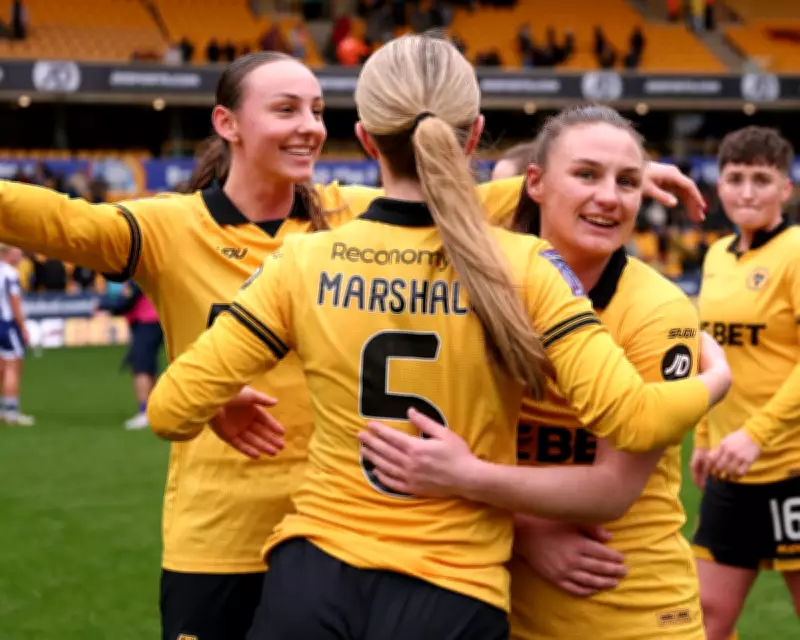
Despite the FA's intentions, many coaches in the third tier have expressed strong opposition to the plan. Daniel McNamara, head coach of Wolves Women, who are currently second in the National League Northern Premier Division, took to social media to voice his concerns. He questioned whether the league's purpose should be to facilitate promotion for existing clubs or to serve as a development platform for elite players from WSL academies.
"Are we here to fight for promotion to elite football or facilitate/produce a platform for elite players from WSL to develop?" McNamara wrote on X, encapsulating the frustration felt by many in the lower leagues who worry that their competitive ambitions could be sidelined.
FA Emphasizes Consultation and Long-Term Vision
In response to the backlash, Sue Day reiterated that no final decisions have been made and that consultation with clubs is ongoing. She acknowledged that change can be difficult in a sport with deep traditions but stressed the necessity of action to secure the long-term success of women's football.
"We are approaching a crucial turning point," Day said. "Too many talented young players are not getting the opportunities they need to develop, and without action, that risks holding back the future of the sport. A stronger pathway produces better players and strengthens the national team, which in turn fuels the growth and visibility of the game at every level."
Implementation Timeline and Review Process
The FA plans to ratify any changes this summer, with implementation targeted for the 2027-28 season. It is understood that clubs will not vote on the proposals directly, but their feedback will be carefully considered in the decision-making process. To ensure accountability, the FA intends to review the restructuring after two years to assess whether it is meeting its intended objectives of improving player development and league standards.
This contentious issue highlights the balancing act between fostering young talent and maintaining competitive integrity in women's football, with the FA's proposals poised to reshape the landscape of the sport in England for years to come.