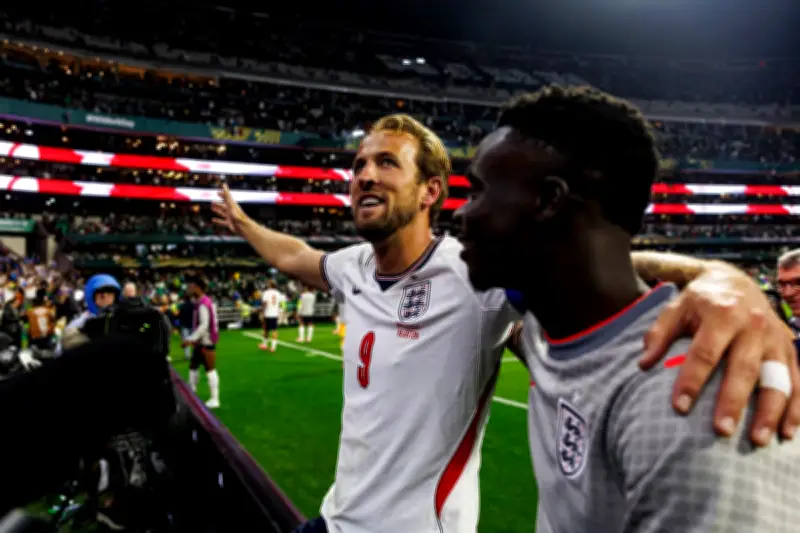
Waking up to the good news of England's 3-2 victory over Mexico was strange and unfathomable, writes Zoe Williams. The win, celebrated by Harry Kane and Bukayo Saka, felt like a throwback to more innocent times, before a decade of unremitting disasters.
A decade of bleak awakenings
Williams recalls how the Brexit result in June 2016 began a pattern of horrible surprise awakenings, followed by Trump's first win later that year. Decisions made by humans, singly or by voting, seemed to be wrong from then on. She notes that before 2016, disasters like celebrity deaths (David Bowie, George Martin) were considered the end of the world, but now seem trivial.
In 2011, the killing of Osama bin Laden, the hacking scandal, natural disasters in New Zealand and Japan, famine in Somalia, and the Breivik massacre created an end-of-days feeling. Yet, Williams finds it extraordinary that there was time to debate the legality of Bin Laden's killing or the shadiness of tabloid news.
From riots to nostalgia
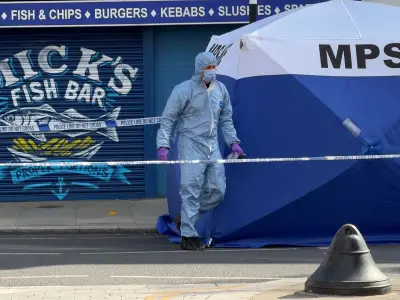
The 2011 UK riots spurred questions about societal breakdown, with magistrates courts sitting overnight and giving custodial sentences for stealing bottled water. Williams feels nostalgic for a time when social breakdown looked like looting JD Sports rather than setting fire to buildings because of the people inside.
She contrasts this with the turn of the century, when the most mismanagement anyone could imagine was the Millennium Dome. To be fair, she recalls confusion about what the problem was—marking a thousand years somehow, did anyone have a better idea than a dome? But it was considered graver than Tony Blair's slow reaction to the false imprisonment of Deirdre Barlow, a fictional character on Coronation Street.
Sport as a keeper of the flame
The pattern of unremitting disaster has elevated sport from a pleasant diversion to a keeper of the flame, a reminder that sometimes you can't predict outcomes using pessimism as a guide. At least, that's how it works when nobody's cheating, Williams concludes.