
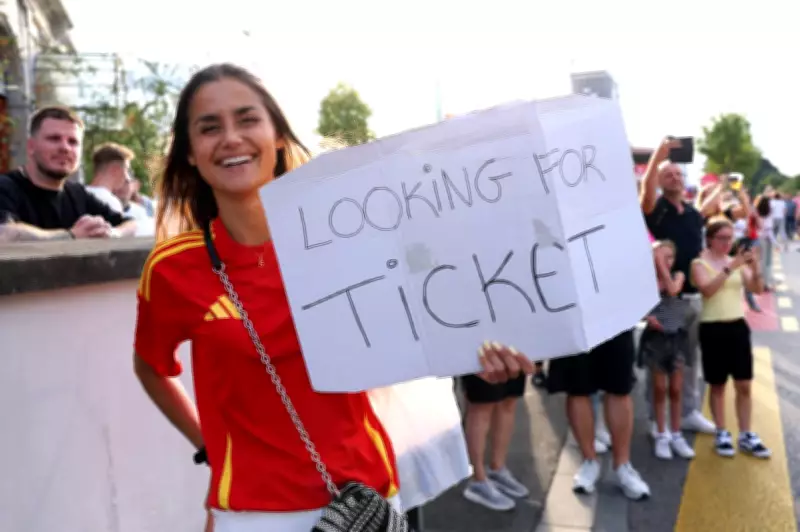
European Commission Faces Pressure to Intervene in FIFA's World Cup Ticket Controversy
The European Commission has received an urgent formal complaint demanding immediate action against FIFA's aggressive and exploitative ticket sale policies for the upcoming 2026 World Cup. Consumer rights organization Euroconsumers and fan advocacy group Football Supporters Europe have jointly filed the complaint, alleging that FIFA has systematically abused its monopoly position to impose excessive prices and unfair purchasing conditions on European football enthusiasts.
Exorbitant Pricing Sparks Outrage
When FIFA initially revealed ticket prices for the 2026 tournament last year, the announcement provoked widespread public outcry across Europe. The cheapest tickets for the championship final were originally priced at £3,000, with current listings showing even higher figures. This pricing structure has placed attendance at the world's most prestigious football event beyond the reach of many dedicated supporters.
"Football represents a universal passion that transcends social and economic boundaries, yet FIFA appears to be treating it as an exclusive luxury commodity," stated Marco Scialdone, a representative from Euroconsumers. "By leveraging its absolute monopoly over World Cup ticketing, FIFA has implemented opaque pricing mechanisms, psychological pressure tactics on buyers, and exorbitant resale fees that collectively create an unfair financial burden for millions of European fans."
Specific Allegations Against FIFA
The complaint identifies six specific areas where FIFA has allegedly abused its dominant market position:
- Implementation of sky-high ticket prices that far exceed reasonable market value
- Engagement in bait advertising practices by promoting $60 tickets that were available in such limited quantities they sold out instantly
- Use of uncontrolled dynamic pricing algorithms that artificially inflate costs
- Maintenance of a structural lack of transparency throughout the entire sales process
- Failure to disclose exactly which seats remain available for purchase
- Disregard for consumer protection standards in both primary and secondary ticketing markets
Demands for Immediate Action
The consumer groups are calling for the European Commission to implement interim measures before the 2026 tournament begins. Their specific demands include:
- Mandating FIFA to establish reasonable price caps during next month's sales window
- Prohibiting the use of dynamic pricing mechanisms specifically for European consumers
- Requiring full transparency regarding unsold seat availability
- Ensuring FIFA respects established consumer rights across all ticketing platforms
Ronan Evain, executive director of Football Supporters Europe, emphasized the urgency of the situation: "For several months, we have consistently urged FIFA to reconsider its aggressive ticketing policies and engage in meaningful consultation with stakeholders. FIFA's persistent refusal to address these concerns has left us with no alternative but to pursue formal action through the European Commission."
Evain further criticized FIFA's defense of its practices: "FIFA continues to point to unconfirmed sales figures as justification for their unfair ticket policies, while the reality remains that they leave loyal supporters with an impossible choice—pay exorbitant prices or miss out on the tournament entirely."
FIFA's Defense and Industry Context
FIFA has previously defended its implementation of dynamic pricing, noting that this practice has become commonplace in North America, where the 2026 World Cup will be hosted. However, consumer advocates argue that what might be standard in one market does not justify exploitative practices in another, particularly when a single organization maintains complete control over access to a globally significant cultural event.
The complaint arrives as FIFA prepares to reopen ticket sales next month, adding urgency to the European Commission's potential intervention. The outcome could establish important precedents regarding consumer protection in international sporting events and the responsibilities of global sports organizations operating within European markets.