Chicago Bears Poised for Potential Move to Indiana Amid Stadium Struggles
The Chicago Bears, who have called Soldier Field home since 1971, are now seriously considering a move out of Illinois, with Hammond, Indiana, emerging as a leading candidate. This potential interstate relocation has ignited fierce debate among fans, former players, and local officials, raising questions about the team's identity and future.
Historical Tenancy and Modern Challenges
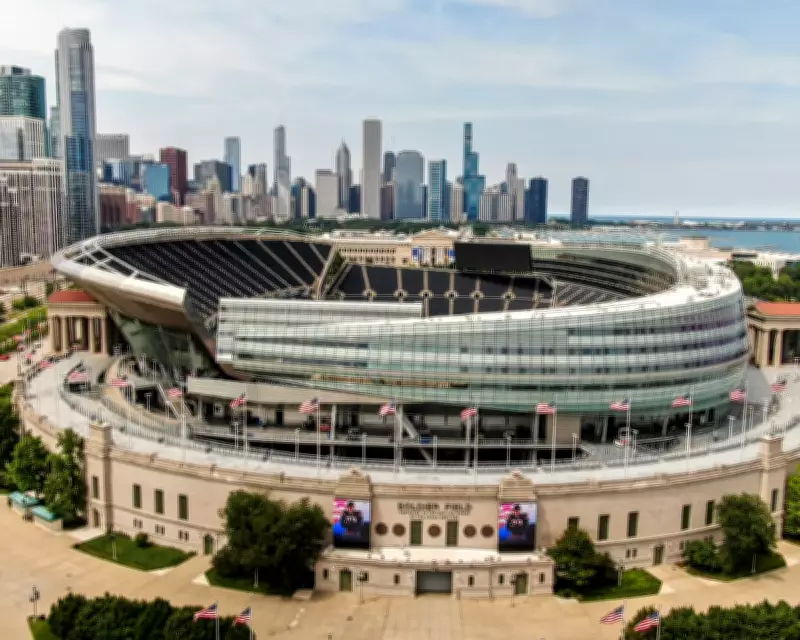
Since their inception, the Bears have been perpetual renters, starting at Wrigley Field for 50 seasons before moving to Soldier Field in 1971. Despite its prime lakefront location and iconic neoclassical design, Soldier Field is now the NFL's oldest and smallest stadium, ill-suited for the team representing the league's third-largest market. The lease terms are unfavorable, with the city park district, which owns the stadium, imposing costly renovation obligations on top of annual fees, creating a strained relationship.
Indiana's Legislative Green Light
Last week, Indiana lawmakers unanimously passed an amendment to facilitate the Bears' move to Hammond, a decision that has met with mixed reactions. A fan poll revealed that 74% would hold a grudge if the team left Chicago, while critics like ex-pros James Harrison and Joe Haden argue it prioritizes money over community. However, proponents see this as a pragmatic solution, noting Hammond's proximity—just a half-hour from downtown Chicago by car or train, closer than many other NFL teams are to their nominal cities.
Comparing Relocation Options
Until recently, Arlington Heights, a north suburb of Chicago, was the frontrunner for a new stadium. Plans included a $5 billion indoor venue with year-round entertainment, but funding hurdles arose. The Bears offered $2 billion, seeking public assistance for the remainder, which faced pushback from Illinois taxpayers and lawmakers. In contrast, Indiana's proposal involves creating a stadium authority that could finance and build a dream home for the same $2 billion investment, giving the Bears full control—a stark improvement over their current rental situation.
Economic and Community Implications
A move to Hammond could have significant economic benefits for northwest Indiana, a region that has suffered decline since the 1970s with the closure of auto plants and steel mills. Revitalizing this area could breathe new life into communities battered by economic challenges. While some view this as sports welfare, with taxpayers historically funding stadiums to the tune of over $33 billion in the U.S. and Canada since 1970, supporters argue it's a chance to invest in fans and local development.
Political and Fan Reactions
Illinois Governor JB Pritzker has vowed to work with Bears president Kevin Warren to keep the team in-state, despite public criticism of Indiana's legislative progress. Chicago Mayor Brandon Johnson insists the Bears belong in Chicago, dismissing Arlington Heights and Indiana as unsuitable. Yet, with the park district already planning for a post-Bears era, a move seems increasingly likely. Fans, though divided, may adapt, as they did during the 2002 season when the team played at the University of Illinois during renovations.
Future Prospects and Identity
Regardless of location, the Bears are expected to retain their Chicago identity, with navy and burnt-orange colors and loyal fan support. A climate-controlled stadium in Indiana might lack "Bear Weather," but it would offer modern amenities and financial stability. As the team navigates this transition, the debate continues over what it means to be a community-focused franchise in an era of suburban stadiums and interstate moves.