Eni Aluko's Punditry Critique Sparks Controversy and Legacy Concerns
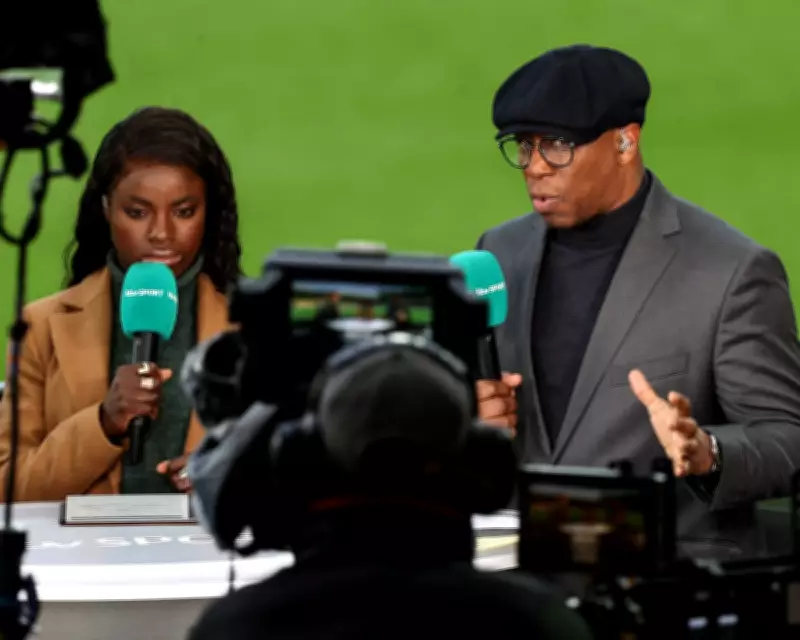
Eni Aluko, a former England international and pioneering figure in football media, has ignited a heated debate with her recent comments targeting fellow pundit Ian Wright. This latest broadside, which revisits a row from 10 months ago, is being viewed by many as a damaging own goal that risks undermining Aluko's significant legacy in the sport.
Aluko's credentials as a player are beyond reproach. With 105 caps and 33 goals for England, along with multiple domestic and international titles, her on-field achievements speak volumes. Off the pitch, she has been a vocal advocate against racism and sexism, challenging figures like Mark Sampson and seeing justice served in cases involving abusive messages from Joey Barton.
A Trailblazer in Broadcasting Faces Setbacks
In 2014, Aluko made history as the first woman to appear as a pundit on Match of the Day, paving the way for other female broadcasters. However, she has expressed frustration over slipping down the punditry pecking order, highlighting her 11 years in the industry as evidence of her quality. In a recent podcast interview, she criticized the inclusion of Wright and Nedum Onuoha in the punditry team for the 2025 Women's Euros final, while she and former teammate Fara Williams were relegated to the stands.
Aluko argued that this represents a broader trend where men are taking opportunities in women's football coverage, a field where female pundits struggle to gain similar access to men's games. She accused Wright of failing to champion her cause, contrasting his support for Gary Lineker during a controversy over asylum policy comments.
Valid Points Lost in Personalization
While Aluko's comments have been criticized as self-serving, they do touch on important issues. The lack of opportunities for female pundits in men's football coverage remains a significant problem, with few women trusted to comment on high-profile matches. This highlights a broader lack of diversity in sports broadcasting, an industry still grappling with racism and sexism in various forms.
However, Aluko's approach has been questioned. Her suggestion that the number of caps should dictate punditry quality is seen as flawed, and her decision to engage with figures like Simon Jordan on TalkSport only exacerbated the situation, leading to harsh criticism.
Backlash and Broader Implications
The fallout from Aluko's remarks has been severe. She previously apologized to Wright after similar comments last year, but he did not accept it. This week, she reiterated her stance, stating that men are taking limited opportunities in women's football broadcasting. Yet, many believe her views empower chauvinistic commentators and detract from genuine efforts to promote diversity and inclusion.
Wright, a beloved figure and genuine ally to women's football, has no obligation to support Aluko based solely on gender or skin color. His advocacy for Lineker was rooted in principle, not personal allegiance. Targeting him, therefore, is seen as a misstep that could erode Aluko's legacy of fighting for equality.
The State of Sports Media and Moving Forward
It is crucial to acknowledge the progress made by other female pundits like Izzy Christiansen, Anita Asante, and Alex Scott, who are excelling in both women's and men's football coverage. Their success shows that broadcasters are willing to feature women, even if disparities in high-profile assignments persist.
Aluko's situation underscores the need for continued dialogue on representation in sports media. While her methods may be contentious, the core issues she raises about opportunity and trust in broadcasting remain valid. As the debate rages on, the focus must shift to fostering a more inclusive environment without resorting to personal attacks that risk damaging hard-earned legacies.