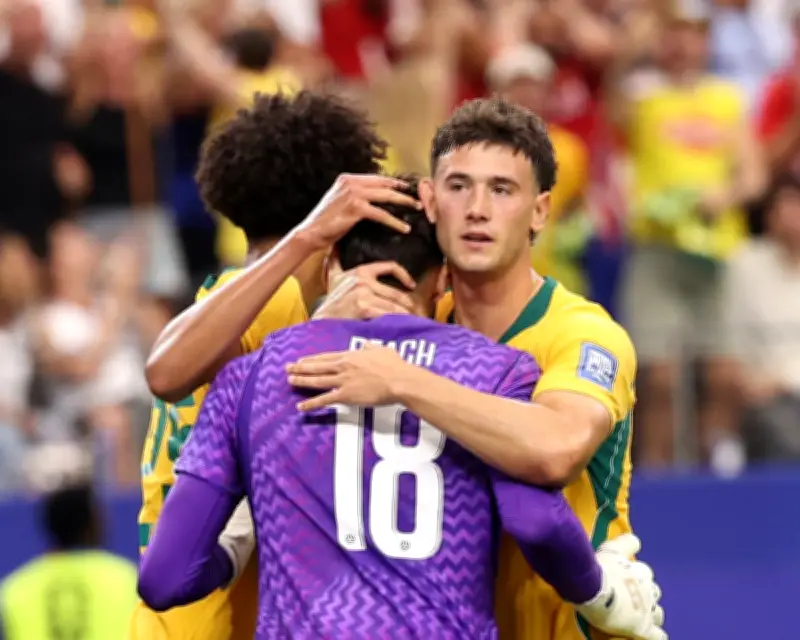
The Socceroos' World Cup run may have ended in heartbreak, but back home, the A-League is careering towards industrial action after players unanimously rejected the latest collective bargaining agreement (CBA) proposal from the Australian Professional Leagues (APL). The stalemate threatens to squander the momentum generated by the national team's performance in Egypt.
Players reject CBA, strike action possible
Professional Footballers Australia (PFA) chief executive Beau Busch informed players that “the CBA negotiation process has been exhausted,” signaling a deadlock. The APL, led by CEO Steve Rosich, expressed surprise, stating they had been “negotiating in good faith for the past eight months” and seeking clarification on the PFA’s position. The previous CBA expired on 30 June, and a one-year stopgap deal had been hoped for.
Industrial action, including possible strike action, looms as an unwanted circuit breaker just as the A-League aims to harness interest from the World Cup. This echoes a similar situation nearly four years ago when the sale of grand final hosting rights was announced days after the Socceroos nearly took Argentina to extra time at the Qatar World Cup.
Trust in APL's vision erodes
Players’ trust in the APL’s long-term vision has cratered since independence. Busch criticized the APL for “lacking belief in the potential of the women’s game,” citing proposals that would constrain investment in the women’s competition. The APL, meanwhile, argues that a focus on transfer fees undermines league quality and competitiveness in Asia, affecting matchday, sponsorship, and TV revenue.
“The players are not satisfied with the trajectory of the A-Leagues,” Busch said. “The previous five-year CBA has not protected the game from damaging decisions, declining crowds and an accelerating talent drain.” He added that players were asked to accept significant concessions without confidence that reform objectives would be achieved.
Uncertainty ahead of new season
With the new season set to start in October, preparations will take place under a cloud of uncertainty. Clubs face diminished ability to sign players and plan for the future, especially those negotiating with players who previously fit within cap exemptions or would not accept heavily reduced wages. The season can start without a CBA, but strike action remains a possibility.
The CBA talks have become another front in a broader battle for the future of Australian football, a conflict that has raged for decades. For newcomers attracted by Patrick Beach’s heroics or Nestory Irankunda’s star power at the World Cup, this domestic unease may come as a surprise. For those entrenched in the Australian game, it is all too familiar.