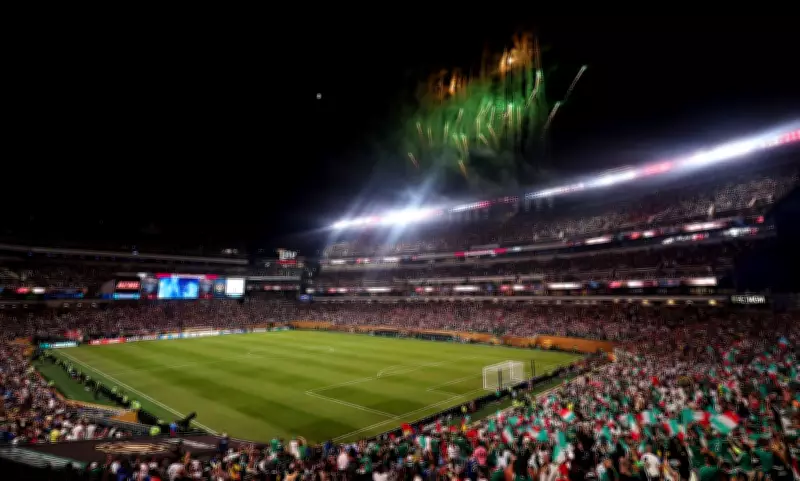
Philadelphia has spotted an opportunity to burnish its reputation as one of the East Coast's most pleasant and affordable big cities during the 2026 World Cup. The ample public transportation to matches at Lincoln Financial Field will cost fans just $2.90. Secondary market ticket prices have dropped 16% from last month, hotels remain reasonably priced, and fan fests are free. There will be no price gouging for shade, unlike in Los Angeles.
Philadelphia's Fan-Centric Approach
Meg Kane, host city executive for Philadelphia's local organizing committee, told the Philadelphia Inquirer: "We have always really put the fan experience at the center of what we wanted to build the Fifa World Cup in Philadelphia around." The city has focused on making the tournament accessible rather than maximizing revenue.
While much of the narrative about this summer's World Cup has centered on high prices due to Fifa's revenue pursuits and local costs, Philadelphia is one of several host cities finding breathing room. With match tickets priced similarly to a car and hotel rates skyrocketing, transportation has been a major concern. Train tickets from New York to MetLife Stadium were initially priced at $150, though they later dropped to $98 after sponsors were found.
Other Cities Following Suit
In Atlanta, Arthur Blank, owner of the Falcons and Mercedes-Benz Stadium, has kept hotdogs at $2, defying Fifa's expensive in-stadium concessions. "Fans give us their energy, their time, their passion... and we need to honor that," Blank told WSB-TV.
Kansas City, underserved by public transit, is introducing cheap bus services for World Cup ticket-holders. Return rides to the stadium will cost $15, shuttle buses from the airport will be free, and regional bus passes are $5 per day or $50 for the tournament. The fan fest will remain free.
These cities show that behaving reasonably and fairly is possible, but they sacrifice revenue that could fund legacy projects. Philadelphia opted for donations from the business community and public funds instead of sponsorship, aiming for positive press.
"Being a host city for the World Cup is very different than being a host city for any other major event," Kane said. "And people recognize that it changes the profile of the city of Philadelphia."
Leander Schaerlaeckens, author of The Long Game, concludes that leaving money on the table is a choice that can be made to benefit fans.