According to personal trainer Naill Barker, head coach at Dabbs Fitness, there are three specific stretches that everyone in their 30s should be able to perform. These exercises target key areas like hip mobility, spinal health, and posture, which often decline with age and sedentary work habits.
Deep Squat Hold: A Test of Mobility
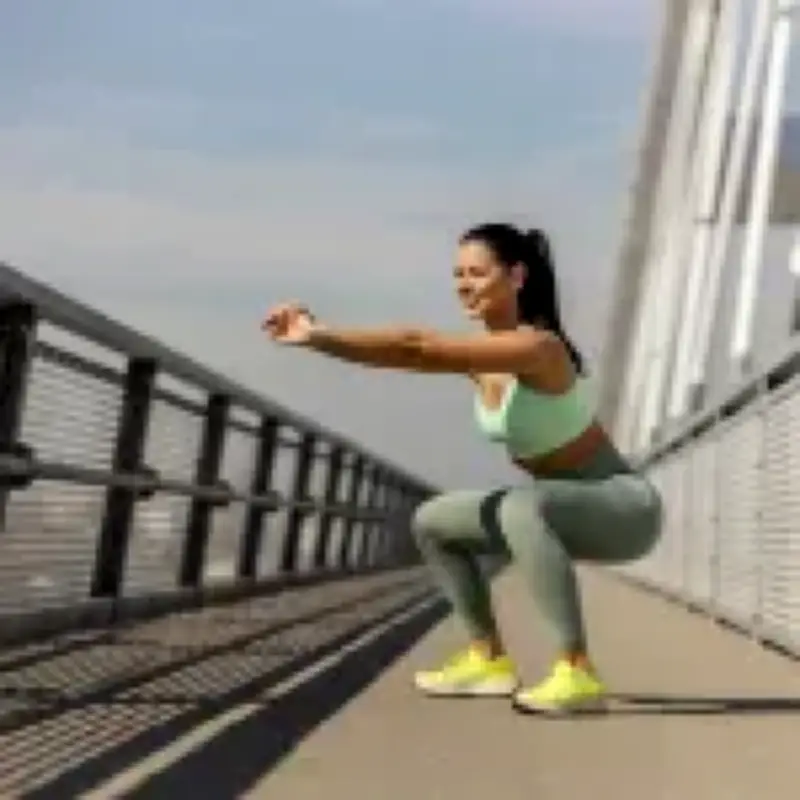
Barker tells Metro that all 30-somethings should be able to hold a deep squat for one minute. The proper form involves feet shoulder-width apart, sinking all the way down, keeping the chest tall, and heels flat on the floor. This exercise improves hip mobility and stretches and lengthens the abductor muscles in the groin.
The PT adds that a deep squat can support the thoracic spine, also known as the T-spine, which is the middle and upper part of the back. “As we age we tend to collapse in the upper back, so this helps your posture,” he explains. Additionally, it benefits gym performance: “It will massively benefit you for any movements such as squats, lunges, or deadlifts.”
If you can’t achieve a full deep squat, Barker suggests a regression: hold a door frame and let your bodyweight counterbalance you down, or place your heels on a book or folded towel. Try five sets of 30 seconds.
Half-Kneeling Hip Flexor: Counteracting Desk Sitting
The second stretch is the half-kneeling hip flexor. To perform it, get into an upright kneeling position. “You need your back knee down, the other leg in front, with the front foot forward. Squeeze the back glute, and tuck the hips under,” Barker instructs. Hold this for 45 seconds, two to three times on each side. “You should feel it in the front of the hip, not the lower back,” he notes.
Barker explains that office work, particularly sitting at a desk all day, can shorten the hips, making the hip flexor muscles at the front of the hip tight. “This in turn tends to put strain on the lower back and switches off the glutes, causing a lot of risk for lower back and hip injuries,” he says. “This exercise helps ease the tension in the hip flexors, which in turn opens up the hips and takes strain off the lower back.”
For an easier version, keep the ribs down, glute on, and tuck the pelvis before moving forward an inch. Placing a cushion under the knee can also help.
Overhead Reach on the Floor: Improving Thoracic Mobility
The final stretch is the overhead reach on the floor. Lie on your back with knees bent and feet flat, arms straight, reaching overhead to touch the floor without your ribs flaring or your back lifting off it. Perform this three to five times, holding for 30 seconds each.
“This is great for your spine,” Barker says. “The key is to not let your lower back arch. You need to prevent your ribcage from flaring and to lock your core in. You want to access your overhead position through your upper back, not by using your lower back.” This improves mobility in the T-spine, and Barker warns: “Neck and shoulder injuries and even headaches can result from poor thoracic mobility.”
Doing this on the floor prevents “cheating” by reducing lower back involvement, revealing the true strength of your T-spine. “This is a key exercise for posture, and good posture affects everything: how we walk, how we sleep, how we lift in the gym,” he explains. It also serves as preparation for overhead movements like overhead presses.
If you struggle, Barker suggests starting with bent elbows or trying wall slides—back flat against the wall, arms sliding up and down—for two sets of ten.