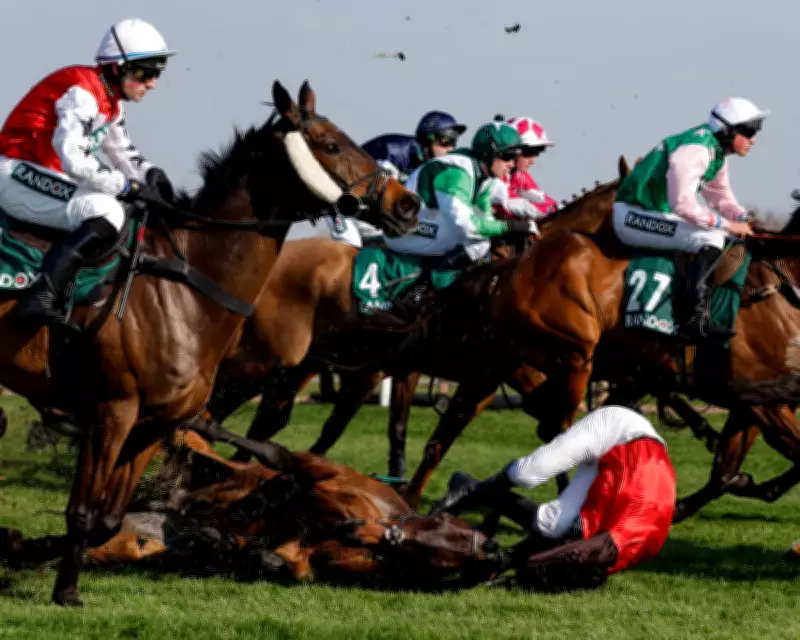
Grand National Horse Welfare Debate Intensifies Amid Racing's Unrivalled Status
The Grand National, one of the world's most prestigious horse racing events, is currently at the center of a heated debate over horse welfare, even as it continues to hold an unrivalled status in the sport. Held annually at Aintree Racecourse in Liverpool, this iconic steeplechase attracts global attention, but recent years have seen growing concerns about the safety and treatment of the equine athletes involved.
Mounting Scrutiny on Racing Practices
Critics argue that the intense nature of the Grand National, with its demanding jumps and long distance, poses significant risks to horses, leading to injuries and fatalities. Animal welfare organizations have been vocal in calling for stricter regulations and improved safety measures. They point to incidents in past races as evidence that current protocols may be insufficient to protect the animals.
Proponents of the race, however, emphasize the extensive care and veterinary oversight provided to horses, noting that the sport has implemented numerous reforms over the years. They highlight the economic and cultural importance of the Grand National, which generates substantial revenue and supports thousands of jobs in the racing industry.

Aintree's Role in the Controversy
Aintree Racecourse has become a focal point in this debate, as the venue hosts the Grand National. Race organizers have invested in course modifications and safety enhancements, such as softer landing areas and redesigned fences, to reduce risks. Despite these efforts, the debate persists, with some advocating for more radical changes, including potential alterations to the race format or distance.
The unrivalled status of the Grand National in British racing complicates the issue, as any significant changes could impact the event's tradition and appeal. Fans and stakeholders are divided, with some fearing that over-regulation might dilute the race's unique character, while others insist that horse welfare must take precedence.
Broader Implications for Equestrian Sports
This controversy extends beyond the Grand National, reflecting broader discussions about animal welfare in equestrian sports worldwide. Similar debates have emerged in other racing events and disciplines, prompting calls for industry-wide standards and transparency. The outcome of the Grand National debate could set a precedent for how racing and other horse-related activities address safety concerns in the future.
As the next Grand National approaches, all eyes will be on Aintree to see how the balance between tradition, sport, and animal welfare is managed. The ongoing dialogue underscores the need for continuous improvement and collaboration among regulators, organizers, and welfare advocates to ensure the well-being of horses while preserving the excitement of the race.